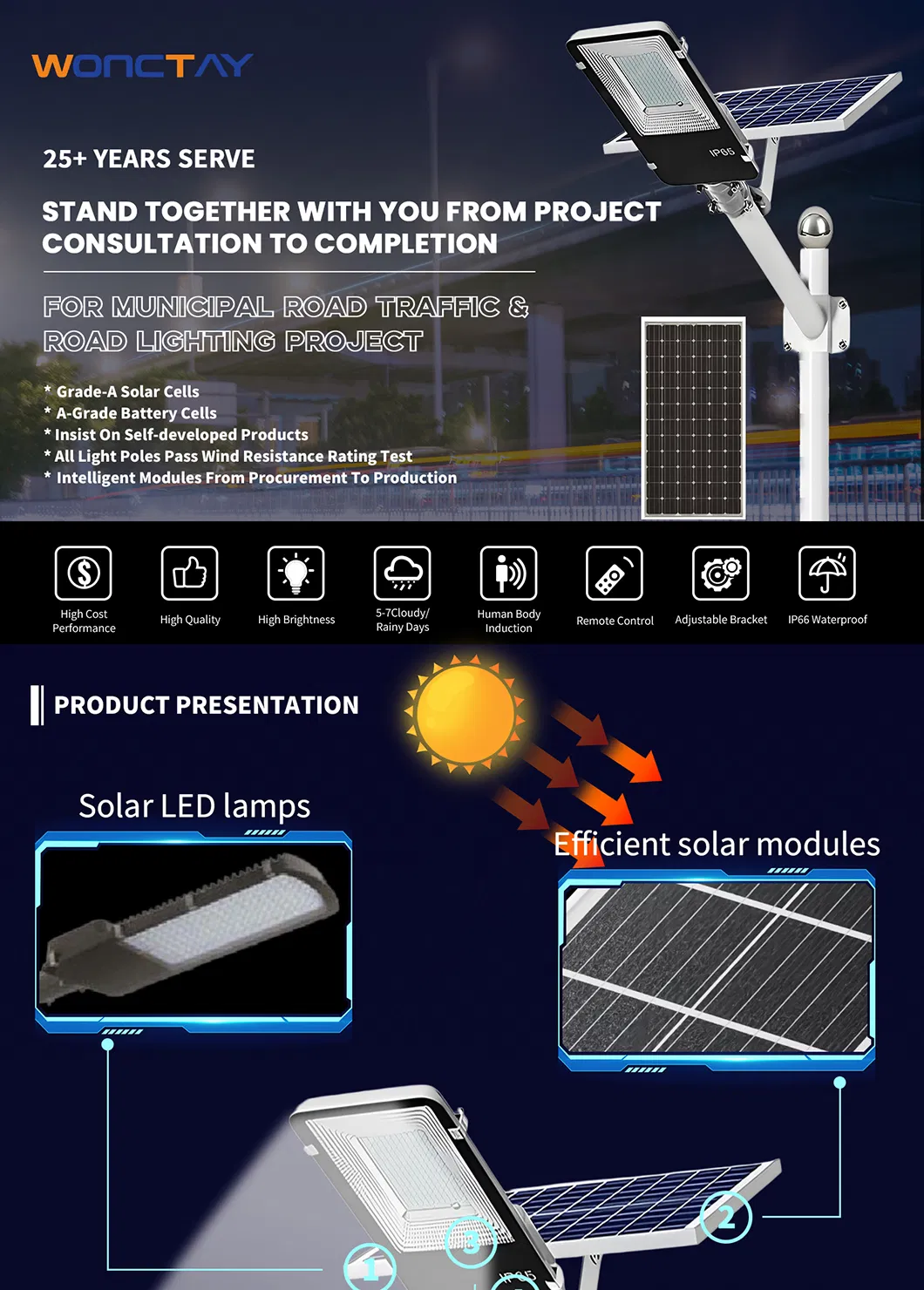
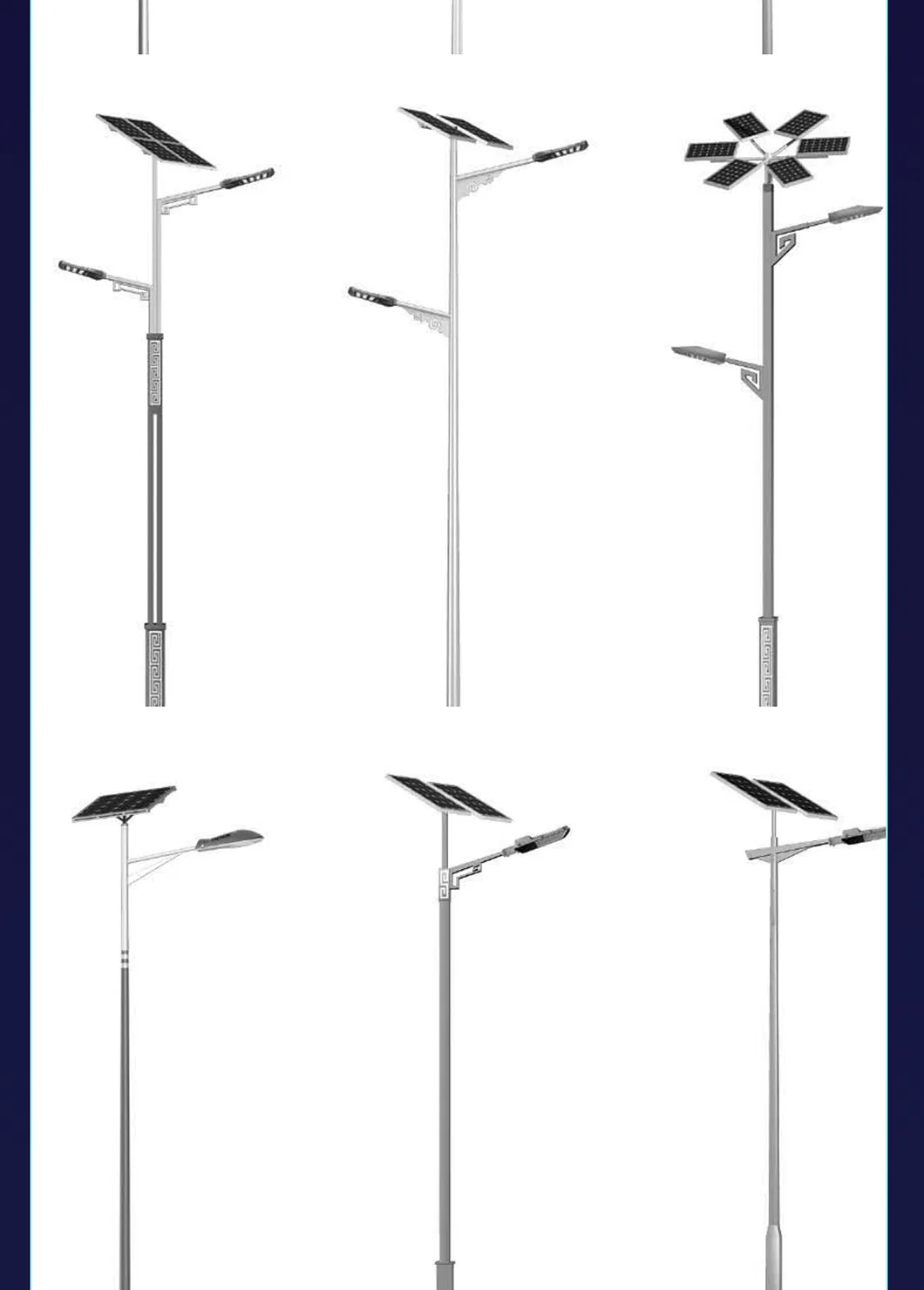
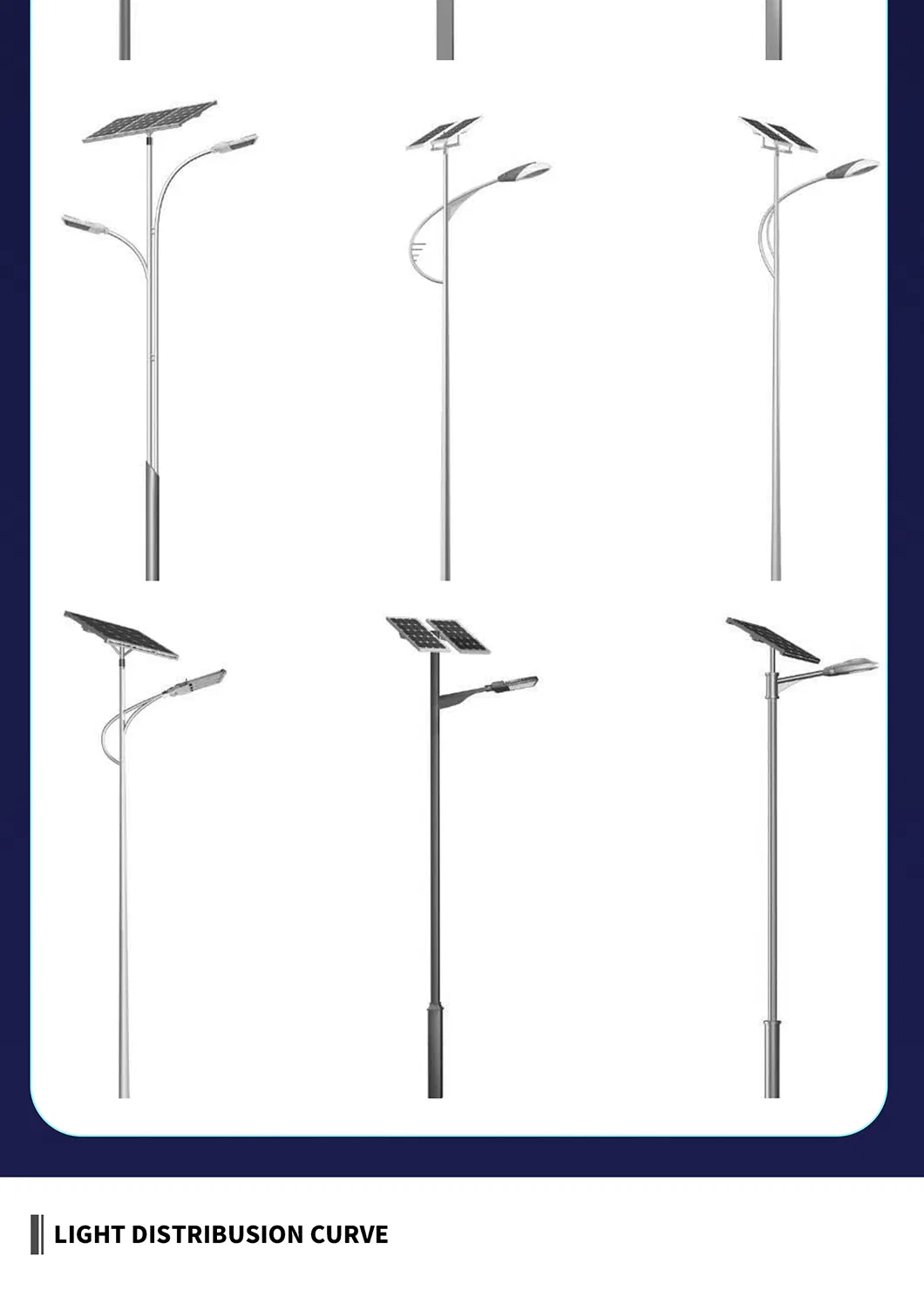
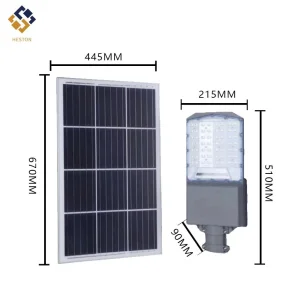
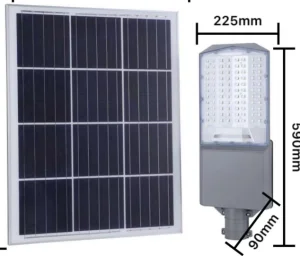
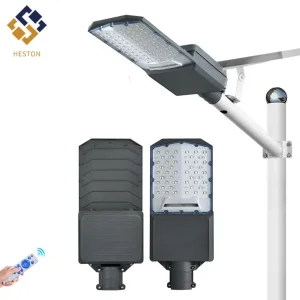
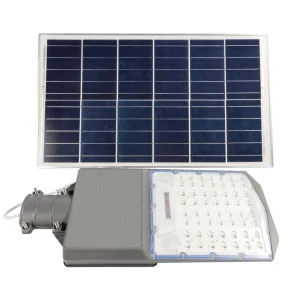
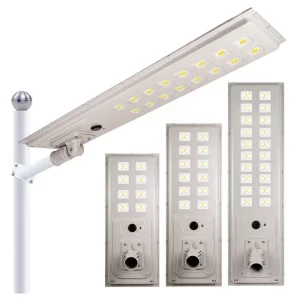
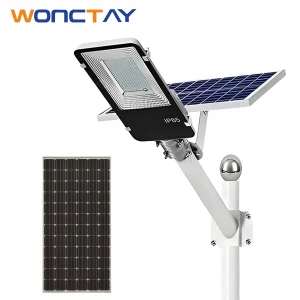
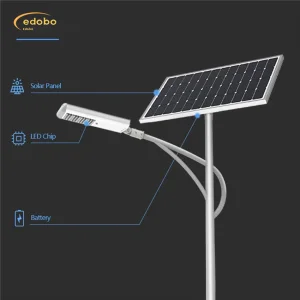
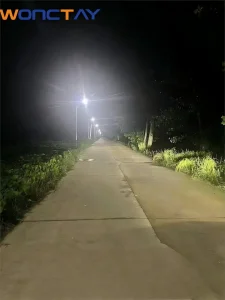
Split-type solar street lamp is an independent lighting system in which core components such as solar photovoltaic panel, battery, controller and LED lamps are installed separately. Its design breaks through the limitations of traditional integrated solar street lamps, and achieves higher flexibility and efficiency through modular layout.
I. System Composition and Working Principle
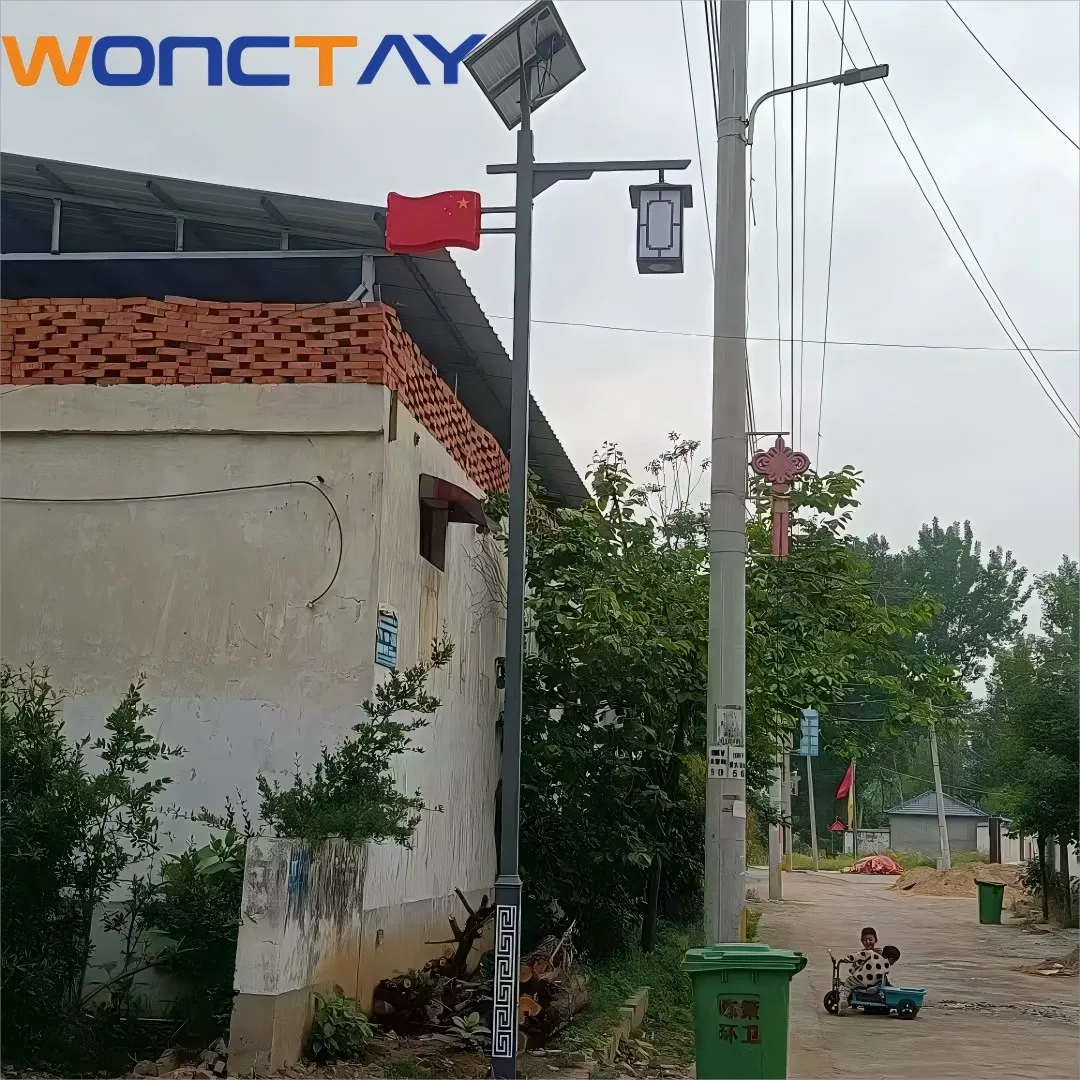
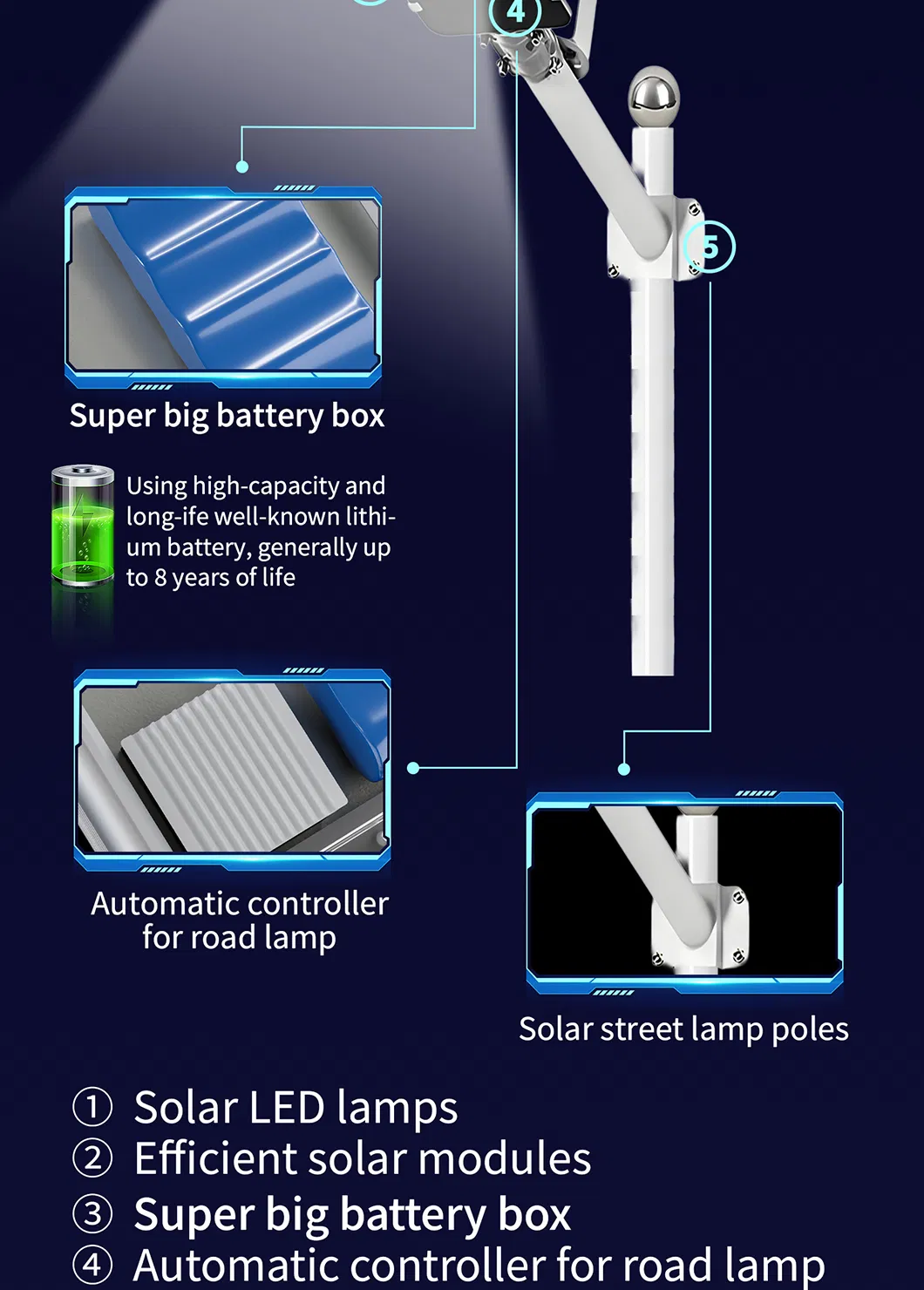
Photovoltaic panel: Independently installed at the top of the lamp post to maximize sunlight absorption.
Battery: Supports large-capacity design (Lithium or Colloidal), usually buried or placed at the base.
Controller: Intelligent management with overcharge protection and dual light/time control modes.
LED Lamp Holder: High brightness source matching the photovoltaic system voltage.
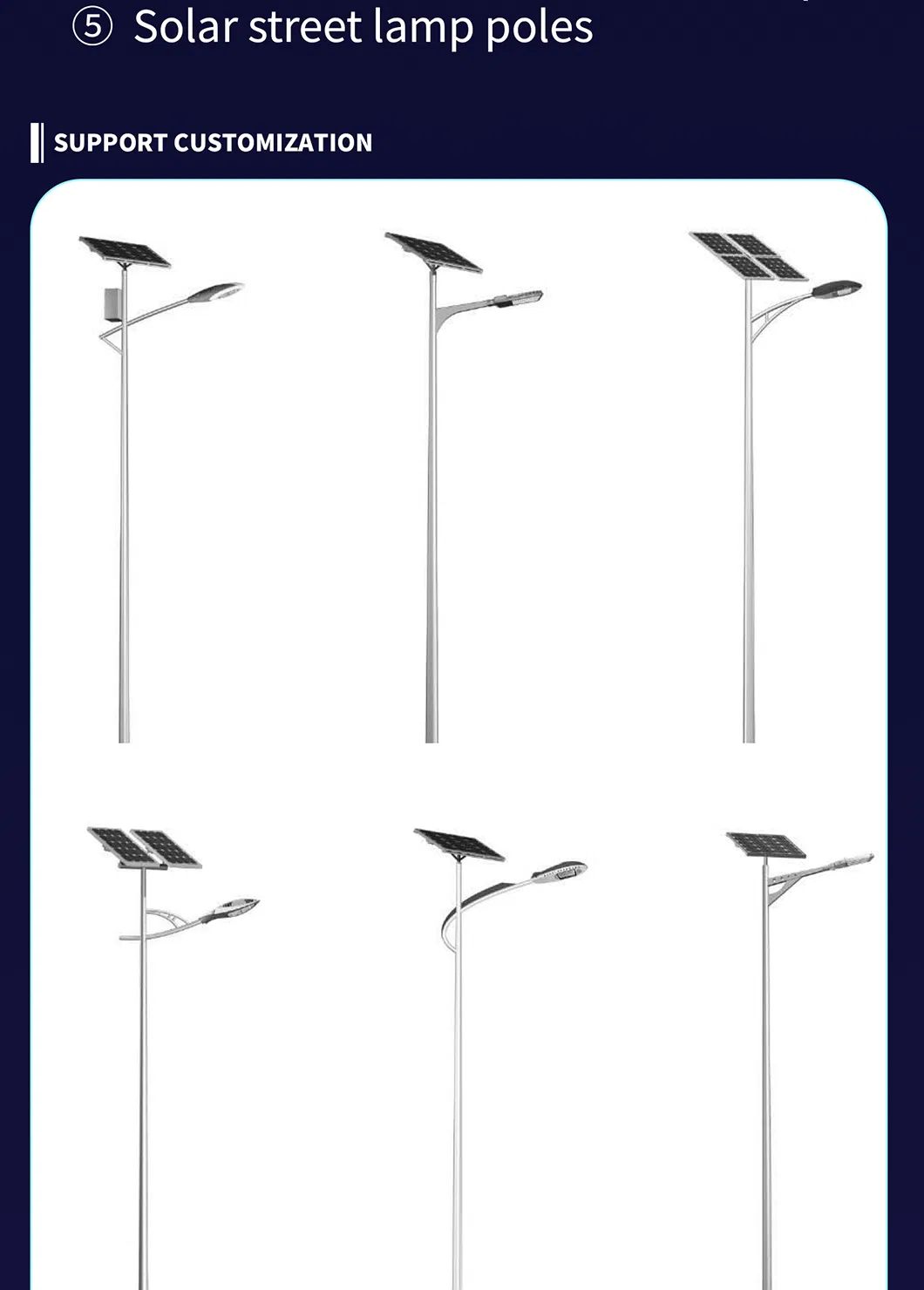
Light Pole: Customized height (6-12m) based on specific lighting requirements.
II. Core Advantages Analysis
Flexible Layout: Panels can face the optimal inclination angle independently, improving power efficiency by 20%-30%.
Extended Battery Life: Supports expansion (up to 200Ah), lasting 5-7 days during rainy periods.
Low Maintenance Cost: Modular design allows single-component replacement, reducing maintenance costs by over 60%.
Intelligent Control: Optional human body sensors and remote adjustment can save up to 40% energy.
III. Application Scenarios
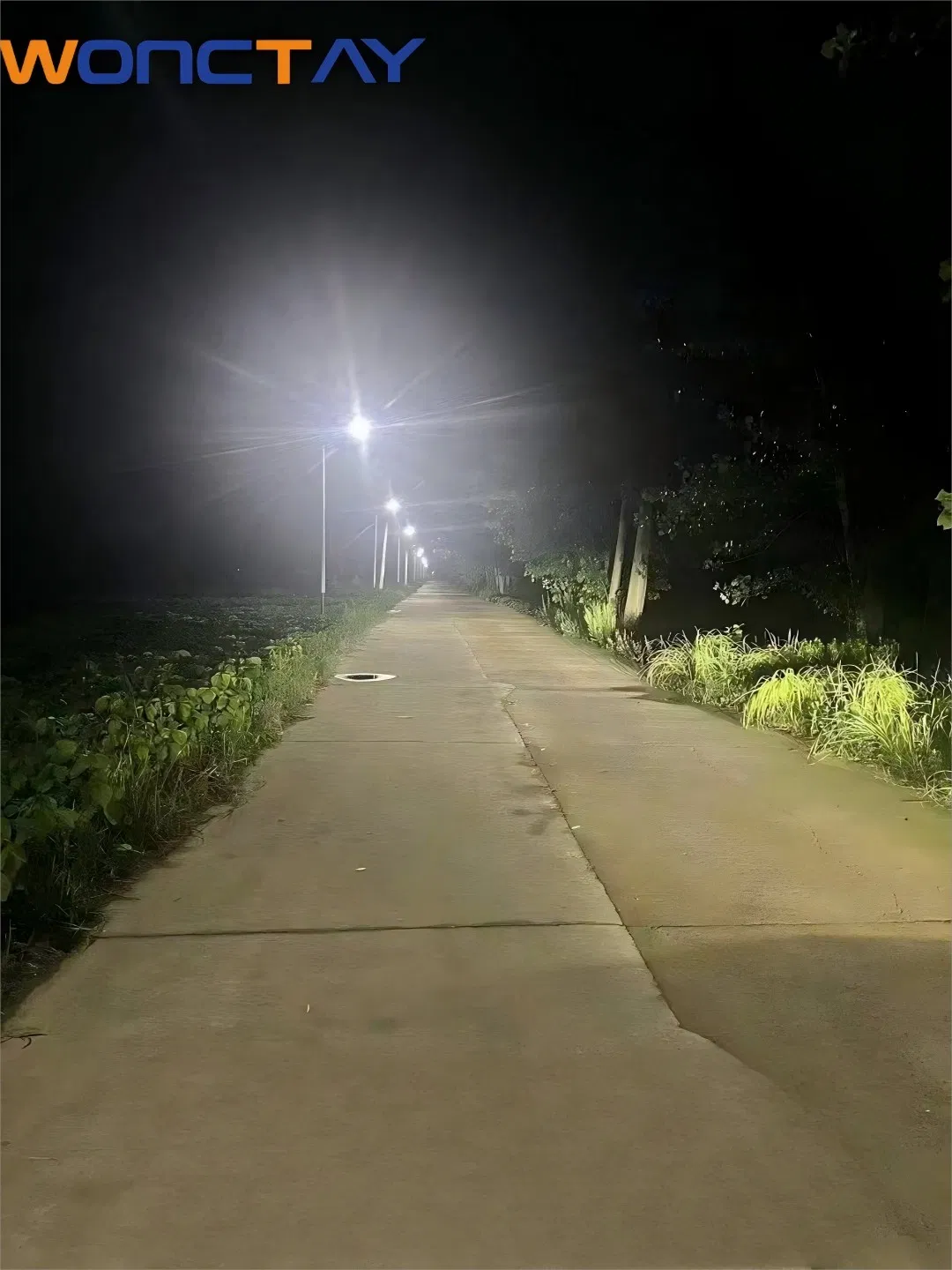
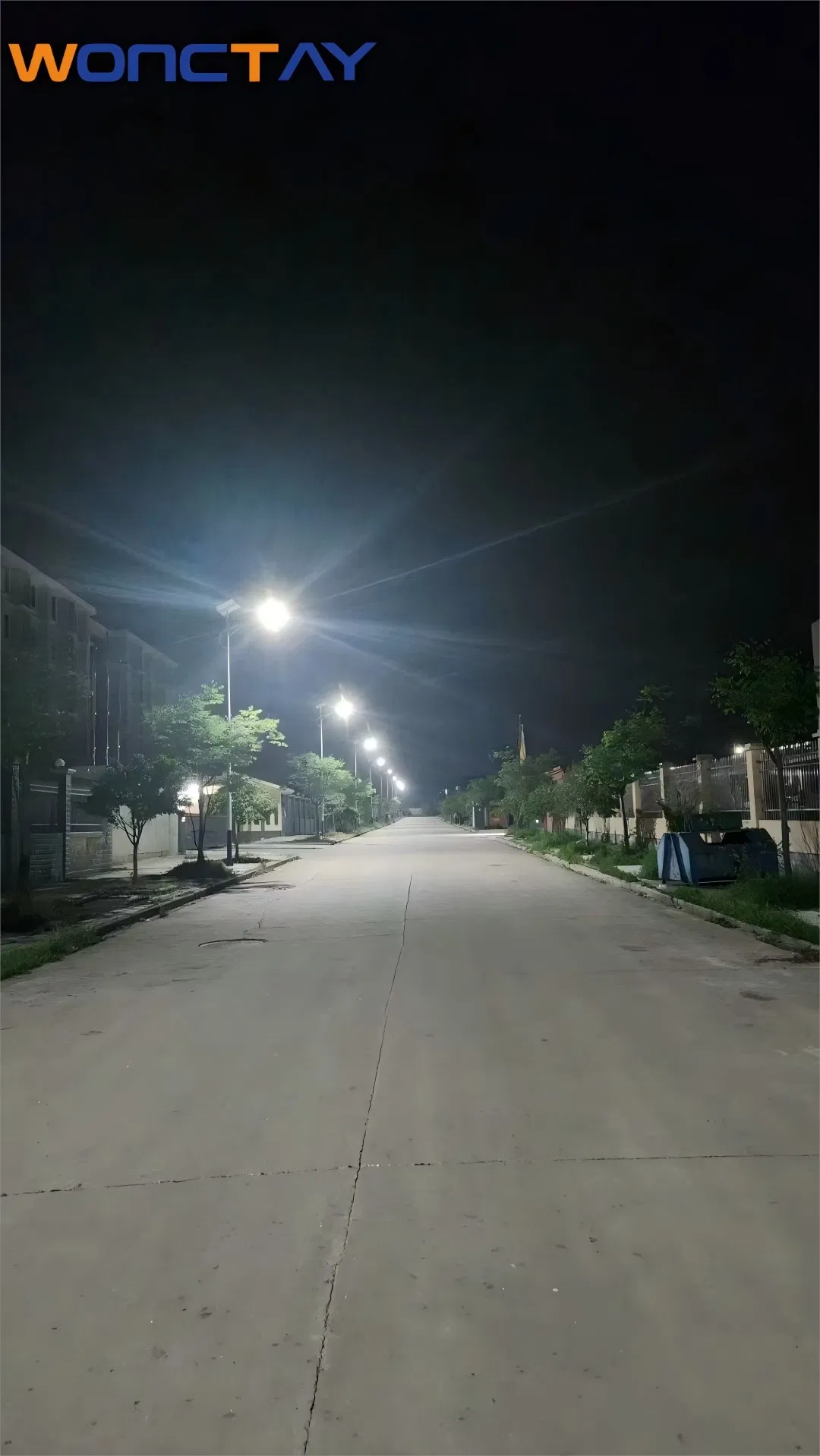
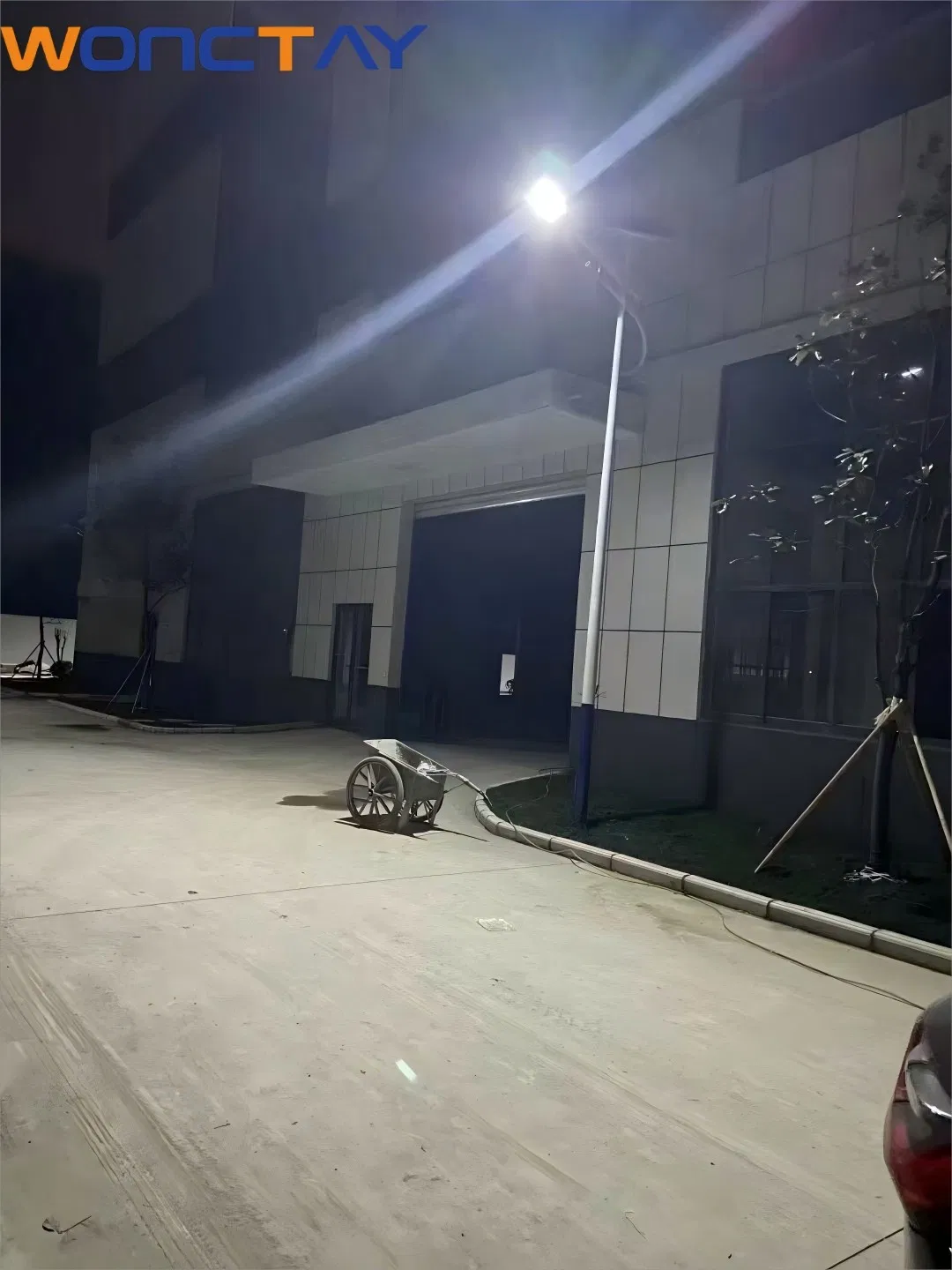
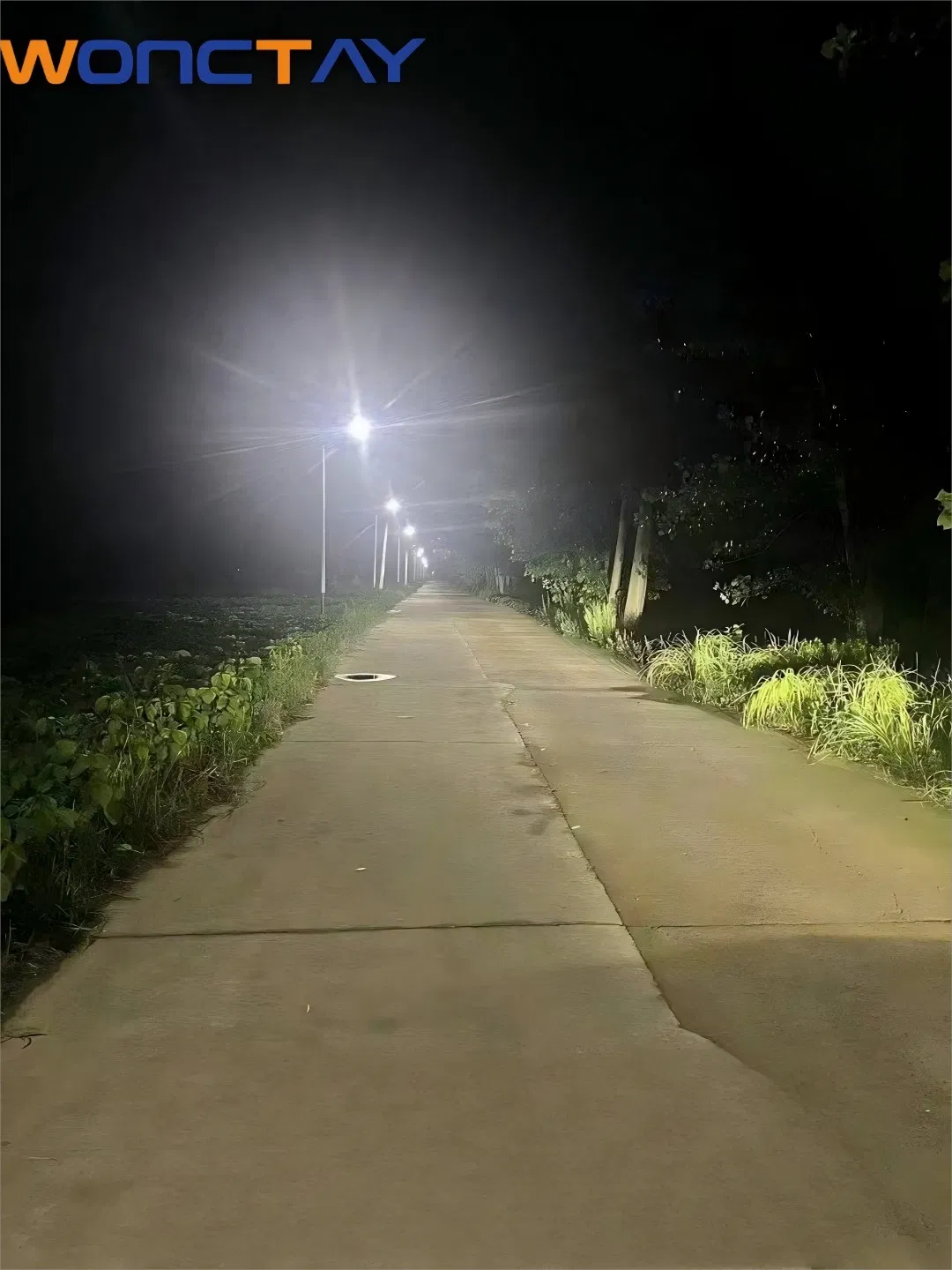
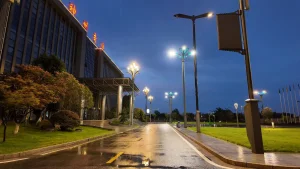
Ideal for highways and rural roads (8-12m height), power-free islands, ecological protection zones requiring zero cable laying, and rapid emergency relief lighting networks.
IV. Performance Comparison
Index
Split Solar Street Lamp
Traditional Commercial Lamp
Integrated Solar Lamp
Installation Cost
Moderate (Saves cable cost)
High (Trenching/Cable labor)
Low
10-Year Total Cost
Lowest (No electricity fee)
Highest (Fees + Maintenance)
Moderate (Battery replacement)
Stability
High (5-7 rainy days)
Grid Dependent
Low (2-3 rainy days)
Frequently Asked Questions
What are the main benefits of a split-type solar street lamp?
Split-type designs offer higher flexibility as the solar panel can be angled independently for maximum sun exposure. They also support much larger battery capacities and higher-wattage LEDs compared to integrated models.
How many rainy days can the system handle?
Due to the large-capacity lithium iron phosphate battery design, these lamps can typically maintain lighting for 5 to 7 consecutive rainy days.
What is the lifespan of the core components?
The LED light source has a service life of approximately 80,000 hours, and the batteries generally last between 5 to 8 years depending on the environmental conditions.
Are these street lamps suitable for extreme temperatures?
Yes. For cold climates, the batteries can be buried below the frost line to maintain capacity, while the IP65/IP68 rating ensures protection against heavy rain and humidity.
Does the lamp include motion sensing technology?
Yes, it features a dual-mode controller with both light control and motion sensors. It can operate at partial power and switch to 100% brightness when movement is detected.
Is professional maintenance difficult for this modular system?
On the contrary, the modular design makes maintenance easier. Individual components like the battery or controller can be replaced without dismantling the entire light pole.
 Penelope Light