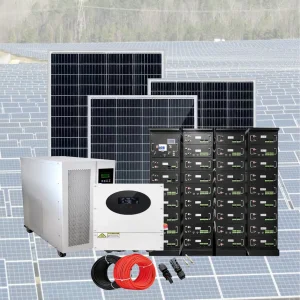
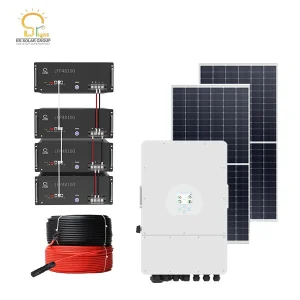
Engineered specifically to endure high thermal stress and intense UV radiation levels common in Namibia's commercial regions.
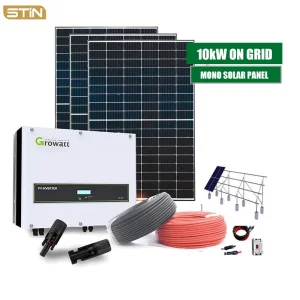
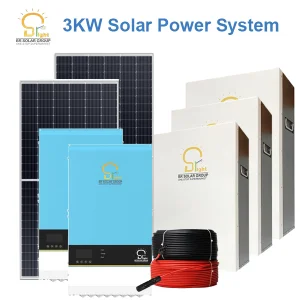
Namibia is endowed with some of the most consistent and highest levels of solar radiation in the world, averaging more than 3,000 hours of sunshine per year. Despite this unparalleled raw potential, the national electrical grid operated by NamPower faces significant geographical and distribution challenges. Off-grid rural communities, isolated agricultural sectors, and remotely located mining facilities in regions such as Erongo, Karas, and Kunene operate under severe utility constraints or rely on expensive, carbon-heavy diesel generators. The deployment of advanced monocrystalline solar lighting systems offers a viable, direct mitigation path to lower the Levelized Cost of Electricity (LCOE) while increasing localized grid resilience.
Currently, the Namibian National Energy Policy aims to generate 70% of the country’s electricity from renewable sources by 2030. In industrial applications, high-efficiency monocrystalline PV arrays have emerged as the industry standard, outperforming traditional polycrystalline panels in conversion efficiency (often exceeding 22%). For commercial workshops, municipal road expansions, and mining camps, using highly durable monocrystalline cells ensures reliable operational uptimes and minimized degradation rates in extreme conditions.
A primary technical hurdle in Sub-Saharan deployment is the temperature coefficient of photovoltaic modules. Standard solar panels experience voltage drop and reduced power output as ambient temperatures exceed 25°C. Monocrystalline silicon panels feature a lower temperature coefficient compared to polycrystalline alternatives, ensuring they sustain peak power output even when operating in desert conditions exceeding 40°C in the Namib or Kalahari deserts.
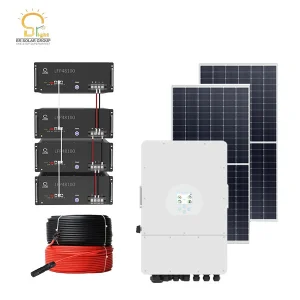
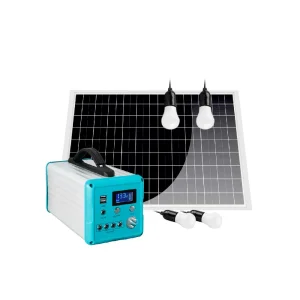
Furthermore, monocrystalline systems utilize high-purity single-crystal silicon. This uniform molecular structure allows electrons to move with minimal resistance, ensuring superior low-light performance during dawn, dusk, and dust-storm conditions. When integrated with Smart MPPT (Maximum Power Point Tracking) charge controllers and high-density Lithium Iron Phosphate (LiFePO4) energy storage, these systems ensure sustained industrial illumination and power delivery throughout the night, completely eliminating dark cycles.
Maintains high voltage and charging efficiency in ambient temperatures exceeding 40°C with minimum thermal degradation.
High-capacity energy storage designed for over 4,000 charge cycles, managing discharge depth efficiently.
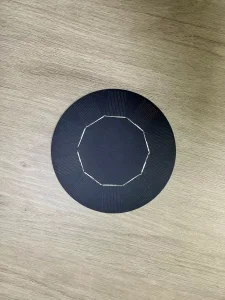
Single-crystal silicon structure allows higher conversion under diffuse light during sandstorms and heavy dust.
Our monocrystalline solar lighting and off-grid power systems are engineered to target the specific operational challenges of various Namibian commercial activities:
Uranium, diamond, and base metal mining sites operate round-the-clock. Reliable security fencing lighting, high-mast illumination for excavation pits, and off-grid power for worker camps are mandatory. Our high-capacity monocrystalline solar hybrid containers deliver continuous power without demanding fuel logistics or grid extensions.
The hospitality sector in regions such as Sossusvlei, Etosha, and Damaraland relies heavily on preserving the pristine environment. Quiet, emission-free solar systems power main lodges, guest tents, and pathway security lighting, offering high-end travelers sustainable, reliable power.
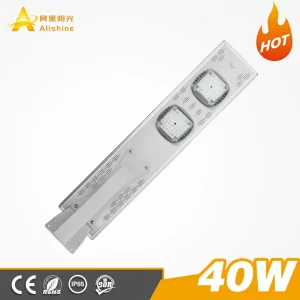
With major commercial corridors like the Trans-Kalahari and Trans-Caprivi Highways playing critical roles in logistics, urban centers require street lighting that operates independently from municipal grid outages. Smart monocrystalline street lights with automated dusk-to-dawn sensors ensure safe transport networks.
To support global procurement demands, our manufacturing facility utilizes highly advanced automated machinery designed to maintain peak precision and component consistency. The integration of Industry 4.0 principles allows us to scale production while ensuring that every unit shipped to Walvis Bay Port complies with strict international standards.
Danyang Penelope Light Co., Ltd. is a leading high-tech lighting enterprise. Founded in 2003, our company has developed over 20 years into a modern, innovative manufacturer of high-quality lighting solutions with a strong reputation in both domestic and international markets.
Our factory is equipped with advanced large-scale automated equipment, including CNC bending machines, high-speed longitudinal shear machines, automatic submerged arc welding systems, gas welding stations, electrostatic powder coating facilities, specialized fluorocarbon paint spraying rooms, and precision laser cutting machines. This comprehensive infrastructure enables us to maintain high efficiency, consistent quality, and rapid production cycles.
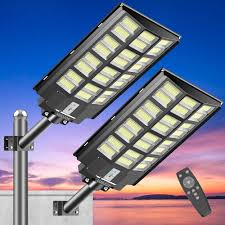
We operate seven dedicated production lines, covering all aspects of lighting and solar component manufacturing:
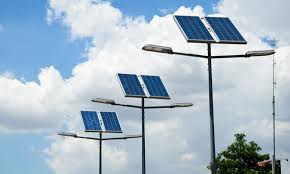
Danyang Penelope Light Co., Ltd. is recognized as a national high-tech enterprise with first-class urban road lighting installation qualifications and second-class lighting design qualifications. The company has been honored as a “Contract-Abiding and Trustworthy Enterprise” and maintains a continuous “AAA” credit rating.
We have successfully passed ISO9001:2000 quality management system and ISO14001 environmental management system certifications, as well as national CCC and CQC product certifications, National Lamp Test Reports, and EU CE safety certifications, reflecting our commitment to excellence and international standards.
Explore our full line of monocrystalline systems configured for infrastructure projects, public lighting, and commercial developments.
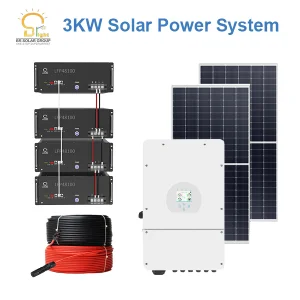
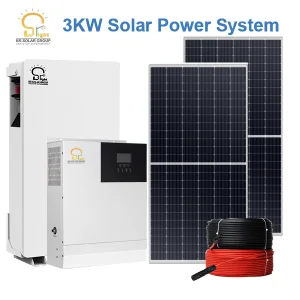
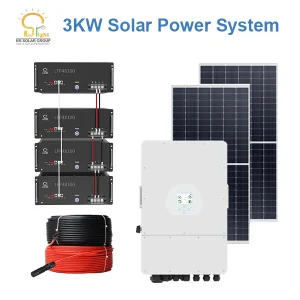
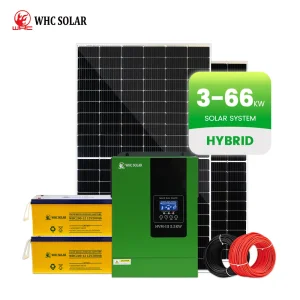
When purchasing utility-grade solar lighting components for deployment in Southern Africa, international engineering, procurement, and construction (EPC) contractors must follow a structured evaluation checklist to ensure long-term system durability and project compliance:
Coastal developments in locations like Walvis Bay and Swakopmund are exposed to highly corrosive saline air and dense coastal fog. Standard steel structural components are prone to rust within months of installation. For our steel support structures and street light poles, we utilize hot-dip galvanization with a coating thickness that exceeds ISO 1461 requirements, supplemented by electro-static fluorocarbon powder spraying to guarantee a lifespan of over 25 years.
Sub-Saharan ambient heat requires solar storage batteries to incorporate specialized thermal management. Traditional lead-acid batteries suffer from accelerated grid degradation in hot climates. By supplying lithium iron phosphate (LiFePO4) systems with integrated Smart BMS, our setups protect cells against overcharging, deep discharge, and thermal runaway, ensuring stable performance across thousands of cycles.
Namibian desert wind storms carry high volumes of abrasive quartz sand. Solar enclosures, street lights, and junction boxes must feature an Ingress Protection rating of at least IP65 (IP66/IP67 preferred for critical modules) to prevent particulate ingress. Our mechanical design calculations are built to withstand sustained wind loads of up to 45 m/s, meeting southern African structural codes.
Answers to technical, logistics, and engineering questions for commercial distributors, mining operations, and municipal buyers.
Monocrystalline silicon panels are manufactured from high-purity single-crystal structures, giving them a higher conversion efficiency (exceeding 22%) and a better temperature coefficient compared to polycrystalline alternatives. Under Namibia's hot climates (often exceeding 40°C in inland regions), monocrystalline panels experience less voltage drop, meaning they deliver a higher energy yield per square meter over their operating life.
Our solar systems are engineered with IP66-rated enclosures for electrical components and tempered, impact-resistant solar glass designed to withstand windborne abrasive dust. Additionally, the mechanical structures are designed to tolerate high wind loads, and we provide specialized anti-soiling glass coatings that reduce dust accumulation, ensuring easy cleaning via natural rainfall or minimal maintenance washdowns.
Our off-grid solar storage configurations utilize premium Lithium Iron Phosphate (LiFePO4) batteries. Compared to lead-acid batteries, which degrade quickly in high heat, LiFePO4 cells support over 4,000 charge cycles at 80% Depth of Discharge (DoD), translating to an active service life of 10+ years. The monocrystalline PV modules have a certified lifespan exceeding 25 years.
Danyang Penelope Light Co., Ltd. is fully certified under ISO9001:2000 quality management systems and ISO14001 environmental safety protocols. Our product lines hold international CE marks, CCC and CQC certifications, along with independent laboratory test reports. These documents are readily available to assist with your import clearance and regional compliance processes in Namibia.
Standard manufacturing times for high-volume commercial runs range from 20 to 30 days. Shipping from our Chinese factory is routed directly through major ports such as Shanghai or Ningbo, with a transit time of approximately 30 to 40 days to Walvis Bay Port, Namibia. From Walvis Bay, we coordinate with regional logistics partners to deliver directly to your site or warehouse via the Trans-Kalahari corridor.
Yes. As a factory with dedicated pole manufacturing, SMT assembly lines, and specialized laser-cutting facilities, we can customize pole heights, luminaire wattages, battery backup capacities, and decorative designs. We provide complete CAD design submittals and engineering calculations to meet national road standards in southern Africa.
 Penelope Light