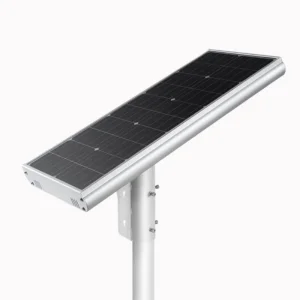
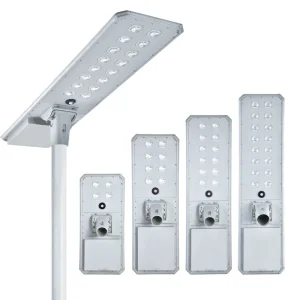
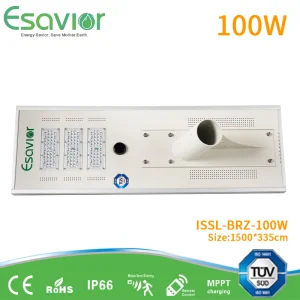
Engineered with robust LiFePO4 battery storage, marine-grade anti-corrosion shells, and advanced charge controllers.
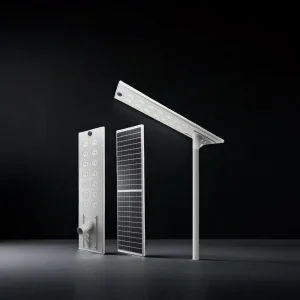
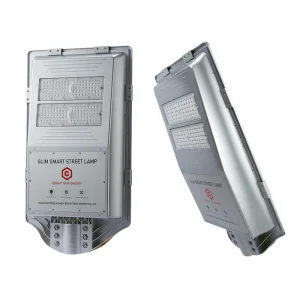
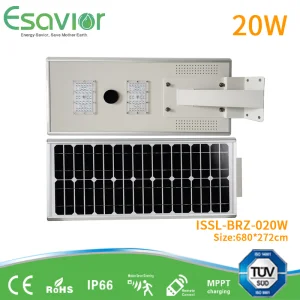
Deploying off-grid municipal infrastructure in extreme marine-coastal zones.
As a Pacific island nation comprised of 33 coral atolls and reef islands dispersed across 3.5 million square kilometers of ocean, Kiribati faces some of the most critical energy infrastructure challenges on Earth. Relying heavily on imported fossil fuels like diesel for power generation incurs astronomical transport logistics and carbon costs. In municipal areas such as South Tarawa, as well as remote islands in the Line and Gilbert groups, establishing a grid-tied lighting network is practically impossible due to low-lying topography, vulnerability to rising sea levels, and coastal erosion.
Consequently, off-grid solar-powered street lighting is not merely an eco-friendly option; it is a vital pillar of national energy resilience. Traditional lead-acid batteries and lower-quality lithium chemistries fail prematurely under Kiribati's harsh equatorial sun, extreme relative humidity (often exceeding 80%), and constant saltwater aerosols. The deployment of Lithium Iron Phosphate (LiFePO4) battery systems is the ultimate solution to secure robust, maintenance-free public illumination across the archipelago.
LiFePO4 (Lithium Iron Phosphate) chemistry represents a major upgrade over standard lithium-ion or lead-acid batteries for solar applications in Micronesia:
Adapting advanced engineering to survive high salinity, tropical cyclones, and intense solar radiation.
Located directly on the equator, Kiribati experiences direct solar angles. Our PV panels utilize high-efficiency monocrystalline silicon cells (exceeding 22% conversion efficiency) configured with smart MPPT controllers to capture diffuse solar energy during heavy rain and monsoon seasons.
All hardware components, mounting brackets, and poles are treated with hot-dip galvanization and finished with electrostatic fluorocarbon powder coatings. This delivers resistance to marine atmospheres, high humidity, and salt spray damage.
An intelligent Battery Management System (BMS) controls charging/discharging cycles. It prevents overcharging, deep discharging, short circuits, and thermal irregularities, protecting the LiFePO4 cells from the extreme swings of tropical weather.
Globally, municipal and commercial developers are moving away from centralized street lighting infrastructure. The high upfront costs of cabling, combined with the energy loss over distance, make solar street lighting highly competitive. In island environments like Kiribati, Tuvalu, and the Marshall Islands, this transition is accelerating. By integrating IoT-enabled motion sensors and dimming profiles, solar street lights can operate at 30% standby power and ramp up to 100% illumination only when motion is detected. This doubles battery reserve capacity, ensuring continuous light even through 5 to 7 days of constant cloud cover.
A premier manufacturer and supplier of global solar and outdoor lighting systems.
Danyang Penelope Light Co., Ltd. is a leading high-tech lighting enterprise. Founded in 2003, our company has developed over 20 years into a modern, innovative manufacturer of high-quality lighting solutions with a strong reputation in both domestic and international markets.
Our factory is equipped with advanced large-scale automated machinery, including CNC bending machines, high-speed longitudinal shear machines, automatic submerged arc welding systems, gas welding stations, electrostatic powder coating facilities, specialized fluorocarbon paint spraying rooms, and precision laser cutting machines. This robust infrastructure enables us to maintain high efficiency, consistent quality, and rapid production cycles for our clients in Kiribati and worldwide.
We operate seven dedicated production lines, covering all aspects of lighting manufacturing:
Danyang Penelope Light Co., Ltd. is recognized as a national high-tech enterprise with first-class urban road lighting installation qualifications and second-class lighting design qualifications. The company has been honored as a "Contract-Abiding and Trustworthy Enterprise" and maintains a continuous "AAA" credit rating.
We have successfully passed ISO9001:2000 quality management system and ISO14001 environmental management system certifications, as well as national CCC and CQC product certifications, National Lamp Test Reports, and EU CE safety certifications, reflecting our commitment to excellence and international standards.
We firmly adhere to the principles of sustainable development, guided by innovative design, centered on high-quality products, and grounded in reliable craftsmanship. Our professional R&D team focuses on forward-looking product development, ensuring our design, innovation, and manufacturing capabilities are consistently at the forefront of the global lighting industry. With continuous investment in new technology, we are able to provide intelligent, energy-efficient, and environmentally friendly lighting solutions that meet the evolving demands of urban infrastructure and modern architectural projects.
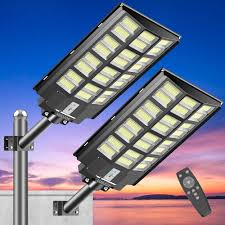
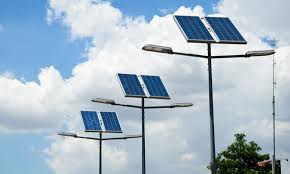
Our diverse product range includes solar street lights, LED street lights, high-mast lights, lighting poles, and complete solar power systems. With a commitment to excellence, reliability, and innovation, our products are exported to numerous countries worldwide, supporting urban and rural lighting projects, commercial and public spaces, landscapes, and infrastructure projects.
Explore our full line of LiFePO4 battery-powered street lighting options available for delivery and installation in Kiribati.
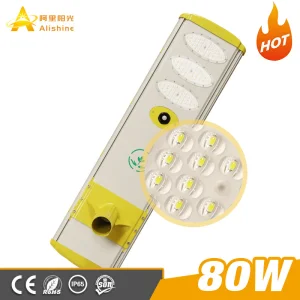
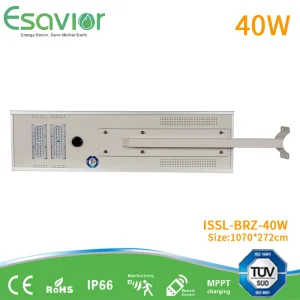
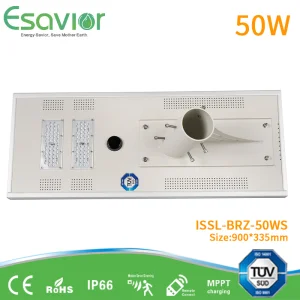
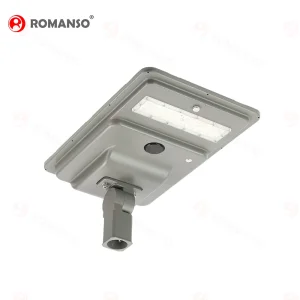
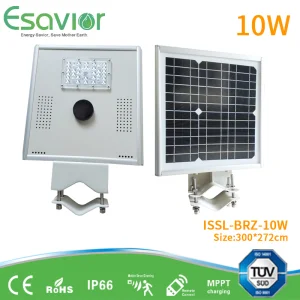
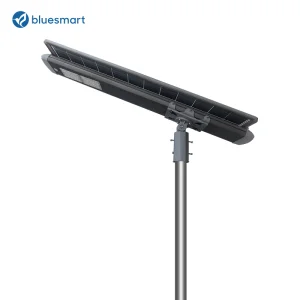
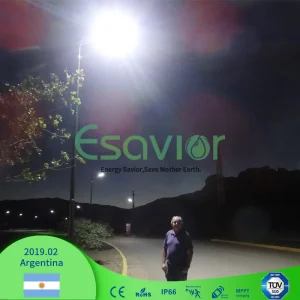
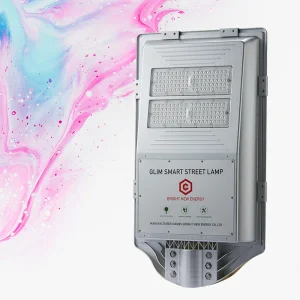
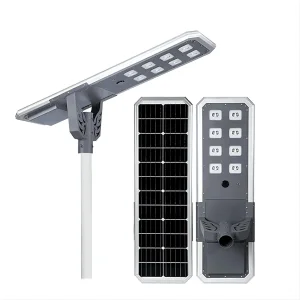
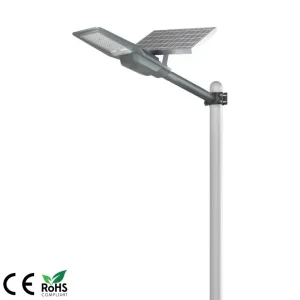
Tailoring lighting configurations to the diverse needs of different municipal zones.
The main causeways, such as the Nippon Causeway in South Tarawa, connect communities across reefs. Strong ocean winds, tide splashing, and salt air are constant factors. Our IP66 waterproof and C5-M rated solar street lights withstand continuous wind speeds of up to 60 m/s and resist corrosion, keeping transport links safe and lit.
Local fishing docks in Betio and Kiritimati depend on reliable lighting for early morning departures and late-night returns. Integrated motion-sensor lights keep docks well-lit for active fishermen and save battery life when the docks are empty, helping prevent accidents and supporting local trade.
For islands outside the main grid, such as Abemama or Tabiteuea, solar lighting provides essential safety. Deploying low-maintenance all-in-one solar luminaires with long-life LiFePO4 batteries reduces the need for technical visits, keeping clinics and school pathways lit for years without a generator.
Answers to engineering and logistical questions for municipal projects in Kiribati.
Contact our technical engineering team for custom solar calculations, wind-load analysis, and project quotes. We support municipal, commercial, and utility tenders across Micronesia.
Send Inquiry Now Penelope Light