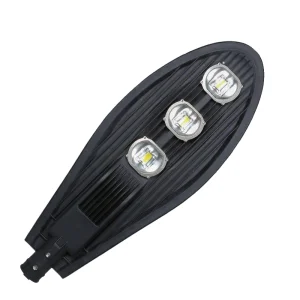
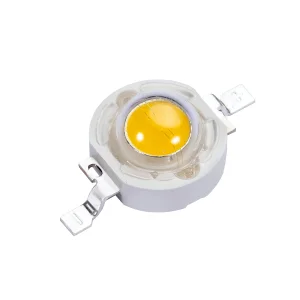
High-precision optical-grade housings, integrated solar street components, and architectural lighting configurations.
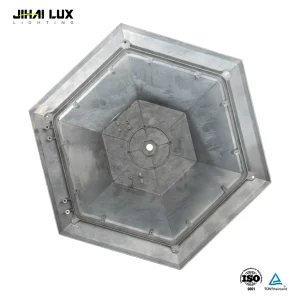
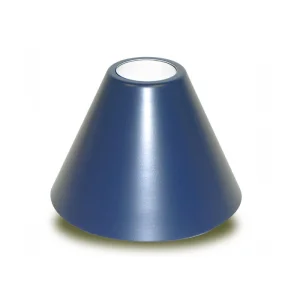
In the modern industrial paradigm, optical distribution control dictates system efficiency. Optical Grade Polycarbonate (PC) Lenses are engineered to supersede traditional glass and PMMA (polymethyl methacrylate) materials. By maintaining a high refractive index ($1.586$) and superior mechanical toughness, PC lenses provide critical weight savings, extreme impact resistance (IK08-IK10), and enhanced design freedom.
From smart municipal lighting systems to high-precision automotive optical arrays, global supply networks require highly reliable partners. Danyang Penelope Light Co., Ltd. fills this mission-critical gap by engineering customizable optical elements. As a dedicated OEM/ODM optical supplier, our manufacturing capabilities target light transmission optimization, thermal fatigue mitigation, and chromatic aberration reduction in challenging environments.
Our raw material feedstock originates from global leaders in polycarbonate formulation. This guarantees an initial light transmittance rate of 90% to 92% while incorporating customized UV-stabilizing co-extrusions that resist long-term yellowing under severe UV exposure.
Visualizing light rays crossing dynamic PC lens boundaries with minimal diffraction
From optical modeling to cleanroom high-pressure injection molding: Our 4-stage technical pipeline.
We execute advanced optical ray tracing simulations to map out luminous intensity distributions and calculate overall lux efficiency before physical tooling begins.
Using mirror-finish machining centers, we keep tool steel surface roughness (Ra) down to < 0.02 microns, eliminating surface micro-creases in the final molded PC lenses.
To reduce internal stress birefringence in optical parts, we utilize modern automated injection compression systems configured with multi-zone oil-based temperature control.
Lenses receive optional hydrophobic, anti-reflective (AR), anti-scratch (hard-coat), or anti-static chemical treatments using automated dip or flow-coating lines.
A deep insight into our operations, certifications, and structural capabilities.
Danyang Penelope Light Co., Ltd. is a leading high-tech lighting enterprise. Founded in 2003, our company has developed over 20 years into a modern, innovative manufacturer of high-quality lighting solutions with a strong reputation in both domestic and international markets.
Our factory is equipped with advanced large-scale automated equipment, including CNC bending machines, high-speed longitudinal shear machines, automatic submerged arc welding systems, gas welding stations, electrostatic powder coating facilities, specialized fluorocarbon paint spraying rooms, and precision laser cutting machines. This comprehensive infrastructure enables us to maintain high efficiency, consistent quality, and rapid production cycles.
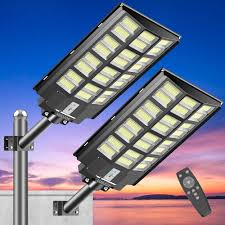
We operate seven dedicated production lines, covering all aspects of lighting manufacturing:
Equipped with 1,500-ton automatic bending and submerged arc welding systems for robust structural execution.
Precision assembly systems targeting optical efficiency, heat management, and outdoor IP-rated sealing.
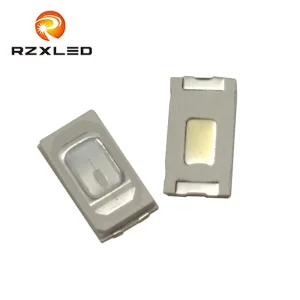
High-speed surface mount technology processing lines ensuring micro-placement accuracy of modern SMD chips.
Strict quality-controlled cell pack configuration lines utilizing intelligent balance charging testing modules.
Automated laminating, cutting, and performance validation systems for solar photo-electric wafers.
Advanced high-power fiber laser cutting centers for processing custom complex metallic profiles.
Specialized fabrication arrays optimized for linear lighting assemblies and strict optical angle distribution checkouts.
Danyang Penelope Light Co., Ltd. is recognized as a national high-tech enterprise with first-class urban road lighting installation qualifications and second-class lighting design qualifications. The company has been honored as a “Contract-Abiding and Trustworthy Enterprise” and maintains a continuous “AAA” credit rating.
We have successfully passed ISO9001:2000 quality management system and ISO14001 environmental management system certifications, as well as national CCC and CQC product certifications, National Lamp Test Reports, and EU CE safety certifications, reflecting our commitment to excellence and international standards.
We firmly adhere to the principles of sustainable development, guided by innovative design, centered on high-quality products, and grounded in reliable craftsmanship. Our professional R&D team focuses on avant-garde product development, ensuring our design, innovation, and manufacturing capabilities are consistently at the forefront of the global lighting industry. With continuous investment in new technology, we are able to provide intelligent, energy-efficient, and environmentally friendly lighting solutions that meet the evolving demands of urban infrastructure and modern architectural projects.
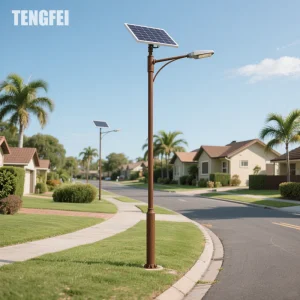
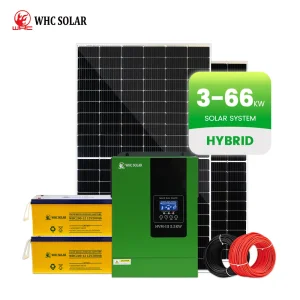
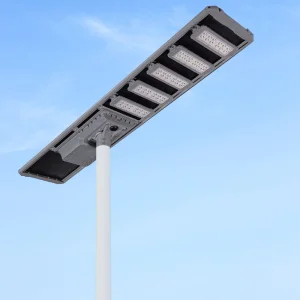
Our diverse product range includes solar street lights, LED street lights, high-mast lights, lighting poles, and complete solar power systems. With a commitment to excellence, reliability, and innovation, our products are exported to numerous countries worldwide, supporting urban and rural lighting projects, commercial and public spaces, landscapes, and infrastructure projects.
At Danyang Penelope Light Co., Ltd., we strive to illuminate the world with sustainable, high-quality, and technologically advanced lighting solutions, contributing to smarter, greener, and safer cities for the future.
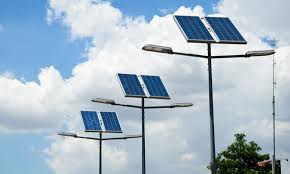
How our custom optical PC lenses perform in localized systems across target industries.
Providing Type II, III, and IV light distributions. Optimized street lamp lenses minimize upward light pollution (Dark Sky compliance) while reducing lateral glare zones to safeguard passing motorists.
In high-bay industrial settings or chemical treatment plants, polycarbonate lenses handle temperatures up to 125°C and remain shatter-proof under extreme pressure spikes.
Engineered 120° beam angle configurations with specific transmission properties that maximize photosynthetically active radiation (PAR) delivery to crop canopies.
Technical parameters verified in Danyang Penelope Light Co., Ltd. internal laboratories.
| Property Parameter | Test Standard / Method | Typical Nominal Value | Design Advantage |
|---|---|---|---|
| Refractive Index ($n_d$) | ASTM D542 / ISO 489 | 1.586 | Enables thinner lens geometries with steep light bending requirements. |
| Luminous Transmittance | ASTM D1003 / ISO 13468 | 90.5% – 92.0% | Comparable output efficiency with traditional PMMA while maintaining high mechanical strength. |
| Abbe Number ($V_d$) | ISO 489 | 30.0 | Controlled dispersion properties prevent noticeable rainbow-edge color separation. |
| Heat Deflection Temp (HDT) | ASTM D648 (1.80 MPa) | 130°C – 135°C | Resists deformation in enclosed high-power LED luminaire arrays. |
| Impact Resistance Class | EN 62262 / IEC 62262 | IK08 to IK10 Rated | Vandal-proof protection for outdoor pedestrian corridors and high-risk environments. |
| Yellowing Index ($\Delta YI$) | ASTM E313 (1000h UV Aging) | < 2.5 | Maintains optical clarity and minimizes degradation under direct sun exposure. |
How our team prepares for next-generation smart cities and ecological targets.
We are currently testing bio-attributed polycarbonate matrices sourced from renewable agricultural waste streams. These components offer carbon footprint reductions of up to 70% while maintaining equivalent transparency and durability.
By developing sub-wavelength moth-eye micro-structures on the mold insert, we aim to offer future lenses that feature reflection loss values below 0.5% without using external chemical spray coatings.
As smart monitoring increases, we design specialized lenses with dedicated optical paths that allow simultaneous infrared (IR), ambient daylight sensing, and high-performance visible LED light control.
Technical insight straight from the manufacturing shopfloor of Danyang Penelope Light.
Answer: PMMA (Acrylic) has a higher light transmission profile (~92.5%) and slightly lower refractive index (~1.49) compared to Polycarbonate (~90-91% transmission, ~1.59 refractive index). However, Polycarbonate possesses significantly higher impact resistance (IK08-IK10 vs PMMA's IK03-IK05) and a much higher heat deflection temperature limit (130°C vs PMMA's 85°C). For industrial fixtures, automotive lighting, and harsh street environments, PC is the preferred material to prevent physical cracking and thermal degradation.
Answer: Birefringence creates unwanted double-refraction and distorts the calculated light output. We mitigate this by using injection compression molding techniques instead of standard high-pressure injection molding. By initiating the molding cycle with a slightly open mold cavity and compressing it down slowly as the polymer cools, we secure uniform density and minimize residual mechanical stress inside the optical grid.
Answer: We co-extrude or coat our base polycarbonate material with active UV-blocking stabilizers (benzotriazoles or hindered amine light stabilizers - HALS). This molecular screen filters out destructive UV wavelengths (290nm to 350nm) that otherwise break down carbon-chain bonds in the PC polymer. This structure maintains a delta Yellowing Index (ΔYI) of < 2.5 after 1000 hours of accelerated weathering.
Answer: Optical optimization modeling and simulation (Zemax) takes about 1-2 weeks. Mold engineering, design approvals, and tooling production require 4-5 weeks. First article samples are typically dispatched within 6 weeks, with full-scale production starting shortly after structural verification.
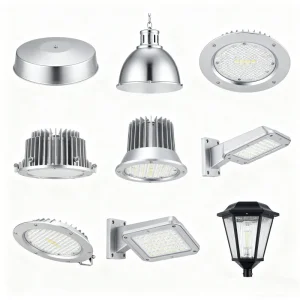
Engineered options utilizing high-efficiency optical grids for global distribution.
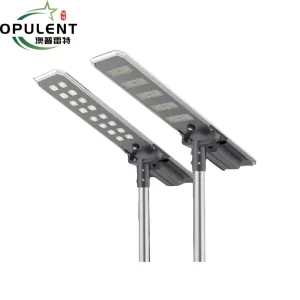
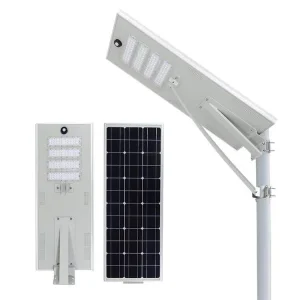
 Penelope Light