In the global commercial and industrial ecosystem, gas stations and highway service areas are undergoing a rapid paradigm shift. Transitioning from traditional fueling stops to multifunctional energy retail hubs—often incorporating high-capacity electric vehicle (EV) charging stations, convenience superstores, and fleet logistics depots—their physical infrastructure requires premium architectural upgrades. Foremost among these demands is high-performance, non-hazardous, and highly efficient illumination.
The specification of Gas Station LED Canopy Lights is no longer just a purchasing decision of lumens-per-watt; it is an engineering task linked directly to customer security, operational continuity, and explosive environment safety. As a preeminent factory and supplier, we understand that these locations require fixtures that offer long-term durability, visual comfort (low glare), and strict compliance with global standards, such as Class I Division 2, ATEX, and local regional parameters.
"High-quality under-canopy lighting acts as a visual anchor. Studies show that service stations with clear, uniform LED illumination (minimum 100-150 lux at ground level) experience a 25% higher rate of nocturnal foot traffic and convenience store transactions compared to poorly lit competitors."
Furthermore, from a procurement perspective, the Total Cost of Ownership (TCO) is the driving metric. System integrators and corporate buyers seek partners who control the entire manufacturing value chain—from structural aluminum die-casting to advanced SMT module assembly and driver integration. This whitepaper details how Danyang Penelope Light Co., Ltd. satisfies these expectations through engineering excellence, advanced automation, and strict compliance controls.
Established in 2003, Danyang Penelope Light Co., Ltd. has grown over two decades to become a leading, high-tech lighting enterprise. We specialize in the development, manufacturing, and global supply of premium outdoor, industrial, and solar lighting solutions. Our brand is synonymous with durability, innovation, and technical integrity in both domestic and international markets.
Consistent optical output and mechanical tolerances can only be guaranteed by high-end, automated manufacturing. Our factory is equipped with advanced large-scale automated machinery designed to maintain high production speeds while minimizing dimensional error:
To meet the complex and high-volume requests of global procurement agencies, Danyang Penelope Light Co., Ltd. operates seven specialized production lines, keeping the entire component fabrication in-house:
Danyang Penelope Light Co., Ltd. is recognized as a national high-tech enterprise, maintaining first-class urban road lighting installation qualifications and second-class lighting design qualifications. Our operation runs on a continuous "AAA" credit rating, indicating top-tier financial health and supply reliability. We hold certifications under:
Gas station canopy environments are harsh. They are open to outdoor temperature swings, high relative humidity, and constant exposure to combustible hydrocarbon gases. A robust technical roadmap is required to ensure that fixtures achieve their rated 100,000-hour L70 lifespan. Below is the engineering framework utilized in our product design.
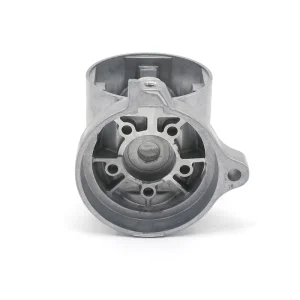
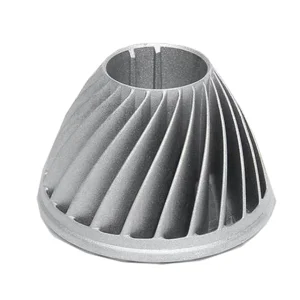
A core bottleneck in industrial LED manufacturing is the housing. Poorly cast aluminum leads to microscopic air pockets, which degrade heat dissipation and compromise the IP rating. By operating our own precision aluminum die-casting line, we monitor alloy purity at the molecular level. This enables us to manufacture lightweight, ultra-tough canopy light housings and floodlight bodies that withstand extreme environment vibrations caused by passing heavy-duty trucks.
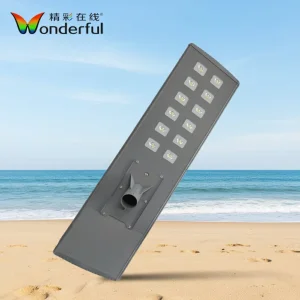
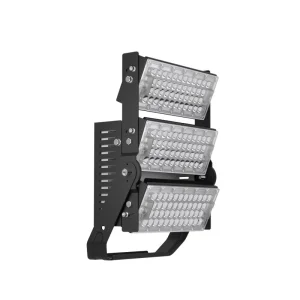
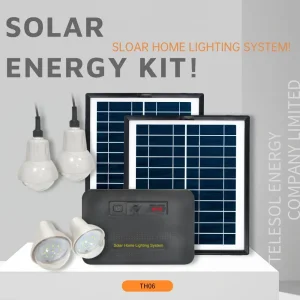
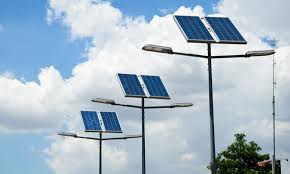
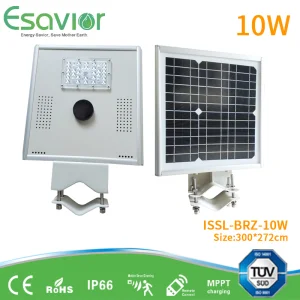
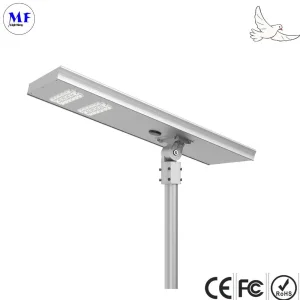
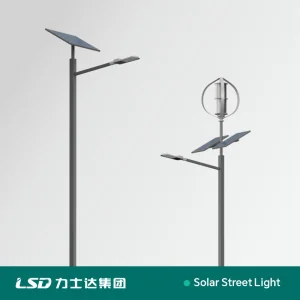
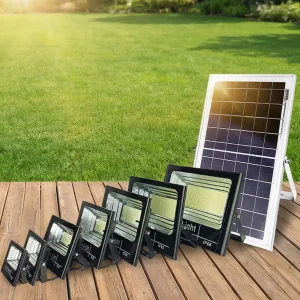
International fuel retailers (such as Shell, BP, Chevron, and ExxonMobil) along with independent service station chains follow strict procurement workflows. They seek single-source suppliers capable of managing customized lighting poles, under-canopy fixtures, perimeter floodlights, and solar-powered auxiliary pathway lighting. This integrated supply capability minimizes purchasing friction, aligns guarantees, and lowers shipping costs.
Designers of modern fueling infrastructure face several challenges. The table below illustrates these challenges and the engineering solutions we deploy:
We use double-chamber silicone sealing rings and specialized fluorocarbon powder coatings. This prevents fuel vapors and moisture from degrading the LED chips and power electronics.
By using premium Sanan/Epistar chips with efficiency ratings exceeding 140 lm/W, and integrated Smart Control Systems, energy consumption is reduced by up to 70% compared to metal halide fixtures.
Our quick-install modular brackets and tool-less driver compartment access enable maintenance in under 10 minutes, minimizing gas station lane closure times.
Gas station canopies are categorized as hazardous locations due to the presence of flammable liquids and gases. Depending on the jurisdiction, luminaires must satisfy local and international electrical and structural safety regulations.
In North America (NEC codes), the areas directly surrounding gasoline dispensers and vent pipes are classified as Class I, Division 1 (high danger) and Class I, Division 2 (under-canopy perimeter). In Europe and Asia (IEC codes), these are zoned as Zone 1 and Zone 2.
Our lighting designs isolate the driver chamber from the optical engine. This ensures that even if an internal component fails, the surface temperature of the fixture never reaches the ignition temperature of gasoline vapor (T3 rating / <200°C).
High-pressure washing is common in fuel bays to remove oil stains and soot. Our canopy housings feature an IP65/IP66 waterproof rating, preventing water ingress even when subjected to direct power-washer jets.
Most service station canopies are built at a height of 4.5 to 6 meters (15 to 20 feet). At this height, we recommend using 100W to 150W LED canopy fixtures with a wide beam angle (Type V symmetrical distribution) to ensure uniform lux distribution without dark spots.
Yes, our LED canopy lights can be configured with microwave motion sensors or integrated into a centralized DALI/0-10V control system. This enables the station to run at 20-30% standby power during late-night hours when there are no vehicles present, instantly ramping up to 100% output upon vehicle detection.
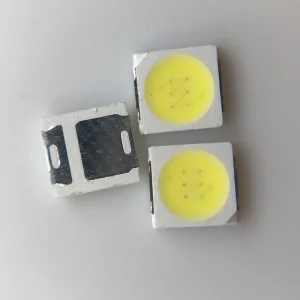
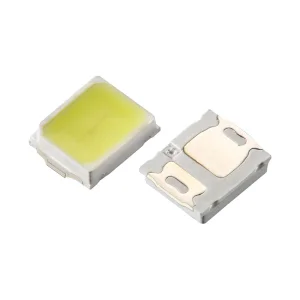
We use high-grade constant-current drivers from reputable global brands (such as Mean Well, Inventronics, or SOSEN) and test them on our custom SMT module lines. The drivers are isolated, potting-filled for water protection, and rated for operating temperatures up to 85°C.
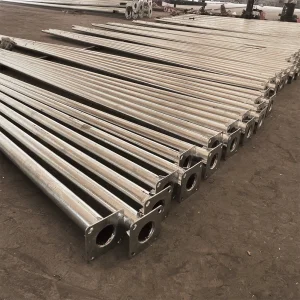
For lighting poles, high-mast towers, and heavy structural assemblies, wind-load capacity reports and hot-dip galvanization test reports are essential. Our poles comply with ASTM A123 standards. For the luminaires, we provide CE safety certification, ISO9001 quality certificates, CCC, and CQC approvals.
Yes, our in-house optical engineering team, laser-cutting lines, and SMT assembly lines enable us to provide customized solutions. We can adapt fixture sizes, mounting flanges, power levels, and color temperatures (from 3000K warm yellow to 6500K daylight white) to align with your brand standards.
 Penelope Light