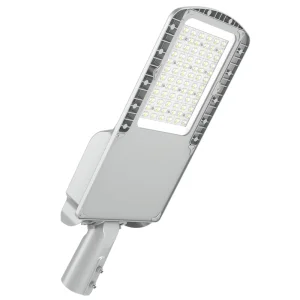
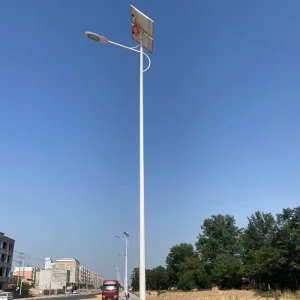
The global outdoor illumination sector is undergoing an unprecedented technological convergence. The integration of photovoltaics (PV), high-energy-density energy storage systems, and advanced communication topologies has shifted the focus from simple lighting to networked, energy-autonomous municipal assets. Today, smart-controlled solar lamps represent a crucial element of the modern Internet of Things (IoT) landscape, serving as critical infrastructure nodes in Smart Cities globally.
In commercial and industrial areas, standard passive solar lighting is rapidly being replaced. Municipalities and corporate organizations are transitioning to network-integrated systems capable of real-time monitoring, telemetry analysis, and remote power modulation. The driving factors behind this shift include stringent carbon emission mandates, rising electrical utility pricing, and the practical demands of off-grid configurations in remote regions. Driven by advances in high-performance monocrystalline silicon solar cells, Lithium Iron Phosphate (LiFePO4) storage chemistry, and intelligent power tracking algorithms, smart solar lighting systems deliver reliable utility-grade performance under varying environmental conditions.
Modern charge controllers are migrating from basic pulse-width modulation (PWM) to Maximum Power Point Tracking (MPPT) platforms driven by adaptive AI. These systems analyze historical solar irradiance trends and ambient weather forecasts to optimize power consumption profiles, maintaining reliable illumination even through multiple consecutive overcast days.
The consolidation of Narrowband IoT (NB-IoT), LoRaWAN, Zigbee, and cellular 5G modules directly into the luminaire drivers enables secure, bidirectional data streams. Remote operators can monitor localized power generation, battery temperature curves, and drive currents, reducing maintenance overhead through predictive diagnostics.
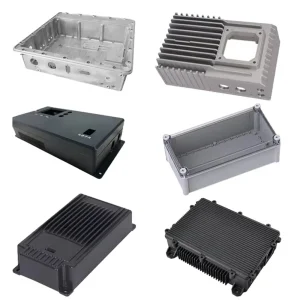
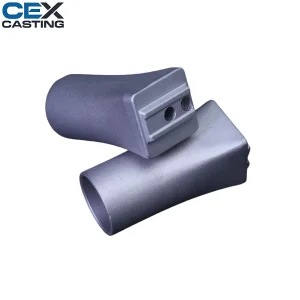
Global sourcing guidelines mandate full recyclability of structural and electronic components. Leading OEM/ODM manufacturers are upgrading casting technologies to utilize eco-friendly aluminum and design modular battery cavities. This approach simplifies maintenance and supports sustainability goals.
Founded in 2003, Danyang Penelope Light Co., Ltd. has established itself as a leading manufacturer in the smart lighting industry over the past two decades. As an experienced high-tech lighting enterprise, our operations cover both domestic markets and international projects.
Our manufacturing facility is equipped with advanced automated systems, including CNC bending machines, high-speed longitudinal shear machines, automatic submerged arc welding systems, gas welding stations, electrostatic powder coating facilities, specialized fluorocarbon paint spraying rooms, and precision laser cutting machines. This manufacturing setup ensures consistent quality, high precision, and efficient production workflows.
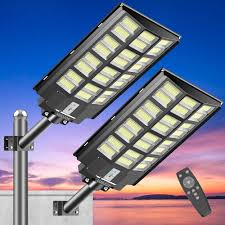
Danyang Penelope Light Co., Ltd. is recognized as a national high-tech enterprise with first-class urban road lighting installation qualifications and second-class lighting design qualifications. The company is committed to reliable operations, maintaining a continuous “AAA” credit rating. We operate in compliance with ISO9001:2000 Quality Management System and ISO14001 Environmental Management System certifications, alongside CCC, CQC, and EU CE safety certifications, ensuring our products meet global performance and safety standards.
To maintain strict quality control and support diverse OEM/ODM customization options, Danyang Penelope Light Co., Ltd. operates seven dedicated production lines:
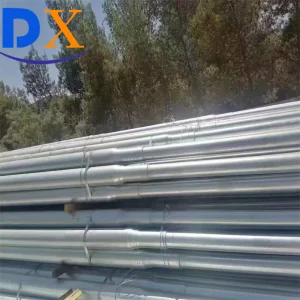
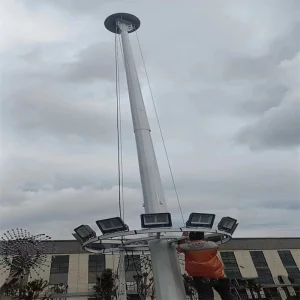
Equipped with a 1,500-ton automatic bending system and submerged arc welding machines, handling street poles and high-mast installations up to 40 meters.
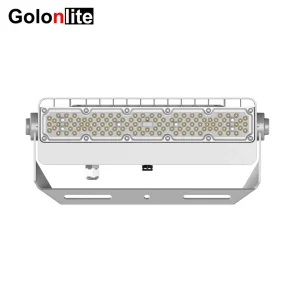
Dedicated to building and testing high-efficiency LED luminaires, optimizing heat dissipation housing designs.
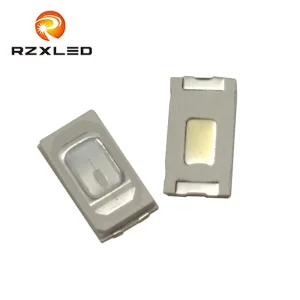
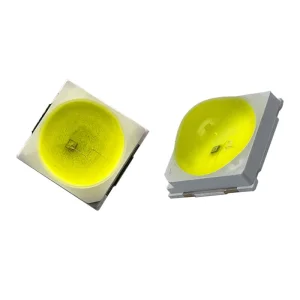
Advanced automatic Surface Mount Technology (SMT) and module assembly lines to position chips and mount control circuitry accurately.
Assembly line for LiFePO4 battery packs with integrated Battery Management Systems (BMS) for protection and long cycle life.
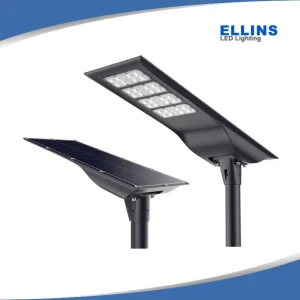
Production line for monocrystalline silicon panels, optimizing encapsulation quality for efficient energy conversion.
Laser cutting lines for customized landscape fixtures, and assembly lines for specialized exterior wall-washing lighting systems.
Modern street lighting relies on reliable power tracking and communication. The table below outlines key differences between standard systems and advanced smart lighting control configurations.
| Functional Parameter | Legacy Solar Lighting Systems | Smart MPPT IoT Solar Systems |
|---|---|---|
| Charge Controller Topology | Pulse Width Modulation (PWM) - ~75% efficiency | Maximum Power Point Tracking (MPPT) - >97% efficiency |
| Data Communication | None (unconnected standalone operation) | NB-IoT, LoRaWAN, Zigbee, Cellular (RF) |
| Dimming Logic | Static pre-programmed step timers | Dynamic light levels based on sensors, time of day, and weather forecast |
| Diagnostics & Fault Management | Requires manual physical inspection | Real-time automatic fault detection sent directly to the central management platform |
| Battery Health Monitoring | Basic over-voltage limit thresholds | Precision monitoring of cellular cell balance, temperature, and cycle counts |
| System Lifespan Extension | Static charge cycles degrade batteries faster | Dynamic profile balancing based on seasonal weather, extending battery service life |
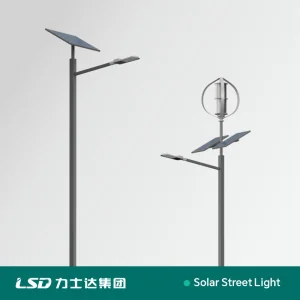
In regions with seasonal variations or low winter sun, relying solely on solar energy can challenge battery storage systems. Hybrid systems combine micro-wind turbines with monocrystalline solar panels to provide dual-source charging. This approach helps stabilize power availability in maritime and higher-latitude regions, ensuring consistent year-round performance.
Integrating smart solar street lights into municipal grids helps lower overall electrical demand. Using centralized IoT platforms, cities can monitor energy consumption, adjust brightness levels remotely, and manage urban lighting infrastructure efficiently.
High-salinity coastal areas require robust materials to prevent rust and degradation. Hot-dip galvanized steel poles and marine-grade die-cast aluminum light housings provide durability and reliable operation in challenging weather conditions.
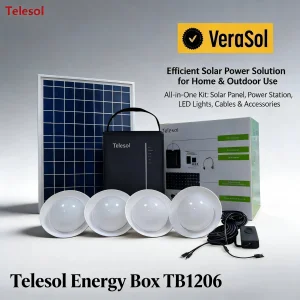
For mining sites, remote parking lots, and utility facilities, installing electrical trenching can be costly. Solar home lighting units and independent smart solar street lights offer a self-powered alternative that can be set up without extensive cabling.
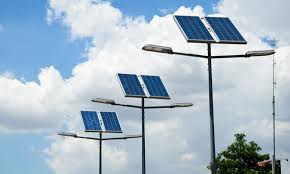
Smart solar lamps use network nodes to transmit real-time performance data to a central management console. Unlike standard fixtures that run on fixed timer programs, smart systems adjust light output dynamically based on battery level, weather forecasts, and movement sensors. This helps optimize power use and extends the overall life of the battery.
We offer customization across major components, including LED driver specifications, battery capacities (LiFePO4 chemistry), solar panel wattages, custom light pole dimensions (6m to 12m, and high-mast installations up to 40m), paint colors, and communication protocols (NB-IoT, LoRaWAN, or cellular networks).
Our MPPT controllers use dynamic dimming profiles that adjust automatically based on battery state-of-charge (SoC). If the battery level drops due to prolonged bad weather, the controller dims the LEDs during low-traffic hours to preserve power, helping maintain basic safety illumination for up to 5 to 7 days.
Hot-dip galvanization applies a protective zinc coating to Q235 steel, preventing rust and environmental corrosion. This treatment helps lighting poles withstand moisture, salt air in coastal areas, and general weathering, providing a service life of 20 years or more.
We operate under ISO9001 and ISO14001 management systems. Our product lines hold certifications including national CCC and CQC standards, official Lamp Test Reports, and European Union CE compliance, confirming they meet safety and performance benchmarks.
Yes. Our intelligent controllers support standard API integration and common industrial protocols. This allows them to interface with existing municipal software dashboards, letting operators manage solar streetlights alongside other municipal utilities.
 Penelope Light