In the high-stakes environment of global aviation, Airport Apron Floodlighting is far more than mere illumination. It is a critical component of ground safety, operational efficiency, and security. According to ICAO Annex 14 and FAA guidelines, apron lighting must provide sufficient visibility for aircraft parking, refueling, passenger boarding, and cargo handling while minimizing glare for pilots and air traffic controllers. As air traffic volume continues to surge post-pandemic, the demand for advanced LED floodlighting systems—capable of delivering high lumen output with low energy consumption—has reached an all-time high.
This whitepaper delves into the "Top 10" ecosystem of suppliers and exporters, examining how leaders like Danyang Penelope Light Co., Ltd. are redefining industry standards through technological innovation, localized application strategies, and robust supply chain resilience.
Transitioning from static lighting to dynamic, sensor-driven grids. Real-time dimming based on aircraft movement and ambient light levels reduces carbon footprints significantly.
Utilizing asymmetric light distribution and precision-engineered lenses to eliminate upward light spill and glare (GR < 50), crucial for ATC tower visibility.
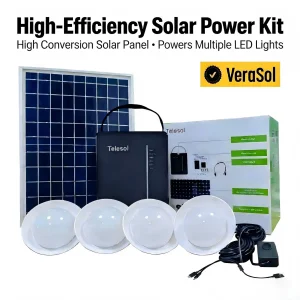
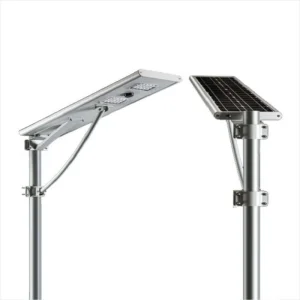
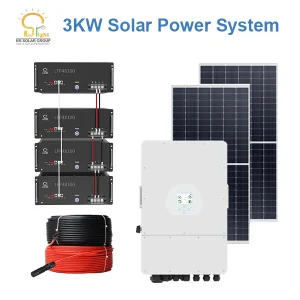
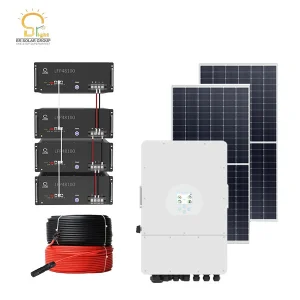
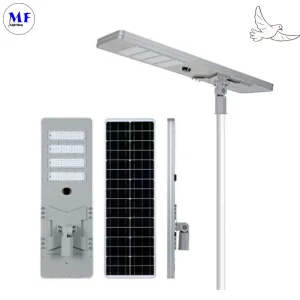
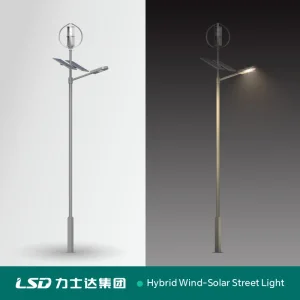
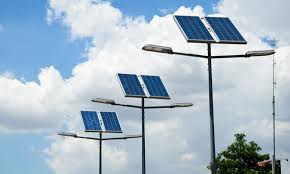
Integrating solar-battery backups for critical apron zones, ensuring uninterrupted operations during primary power failures in remote or emerging airport hubs.
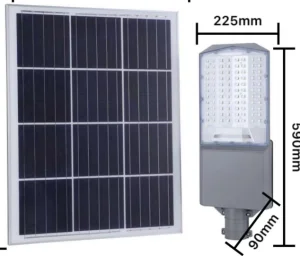
Next-gen die-cast aluminum heat sinks with active airflow channels, extending electronic component life in extreme tropical or desert climates.
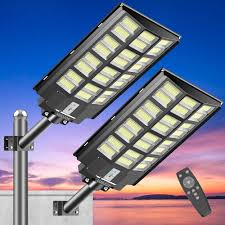
Danyang Penelope Light Co., Ltd. is a high-tech vanguard in the lighting industry. Founded in 2003, we have spent two decades refining the intersection of durability and performance. Our facility is a powerhouse of automation, featuring CNC bending, high-speed longitudinal shear, and automatic submerged arc welding systems.
As a national high-tech enterprise with first-class urban road lighting installation qualifications, we provide end-to-end solutions from design to commissioning. Our "AAA" credit rating and ISO9001:2000/ISO14001 certifications guarantee a partner who values reliability as much as you do.
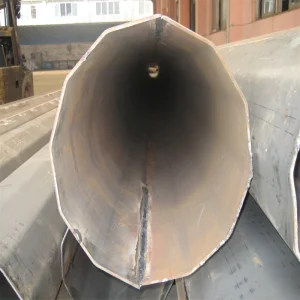
China's lighting supply chain offers unparalleled "Information Gain" for global buyers. Unlike fragmented suppliers, Chinese giants like Penelope Light offer Vertical Integration. From the raw steel of the high-mast poles to the precision of the SMT modules and the chemistry of the lithium storage, every step is controlled under one roof. This reduces lead times by 40% and ensures that the technical specifications of the pole (wind resistance) perfectly match the floodlight's weight and drag coefficient.
Navigating the complex landscape of aviation standards requires deep expertise. Our products are engineered to exceed CE, CCC, and CQC certifications. For the Middle Eastern market, we focus on 55°C+ heat-resistant drivers. For the Nordic and North American regions, our housings undergo rigorous 1000-hour salt spray tests to combat de-icing salt corrosion.
We provide full DIALux simulation services to help airport authorities visualize light distribution, ensuring that Uniformity (Uo) and Illuminance levels meet the specific safety requirements of Cargo Aprons vs. Passenger Terminal Gates.
 Penelope Light