Achieving uniform light distribution on highways is crucial for road safety. To address the question, "How to ensure uniform light distribution on highway roads?" we must consider several factors. Effective light distribution enhances visibility, reducing accidents during nighttime driving.
Highway lighting systems must balance brightness with energy efficiency. The right amount of light can prevent harsh glare and dark spots. Many existing systems fail to provide adequate coverage, leaving some areas poorly lit.
Incorporating advanced technologies, such as smart lighting and LED fixtures, can significantly improve distribution. These solutions adapt to traffic patterns and weather conditions. However, they also require careful planning and ongoing maintenance. Road authorities must regularly assess these systems for effectiveness. Reflecting on current challenges helps in developing better strategies for uniform light distribution.
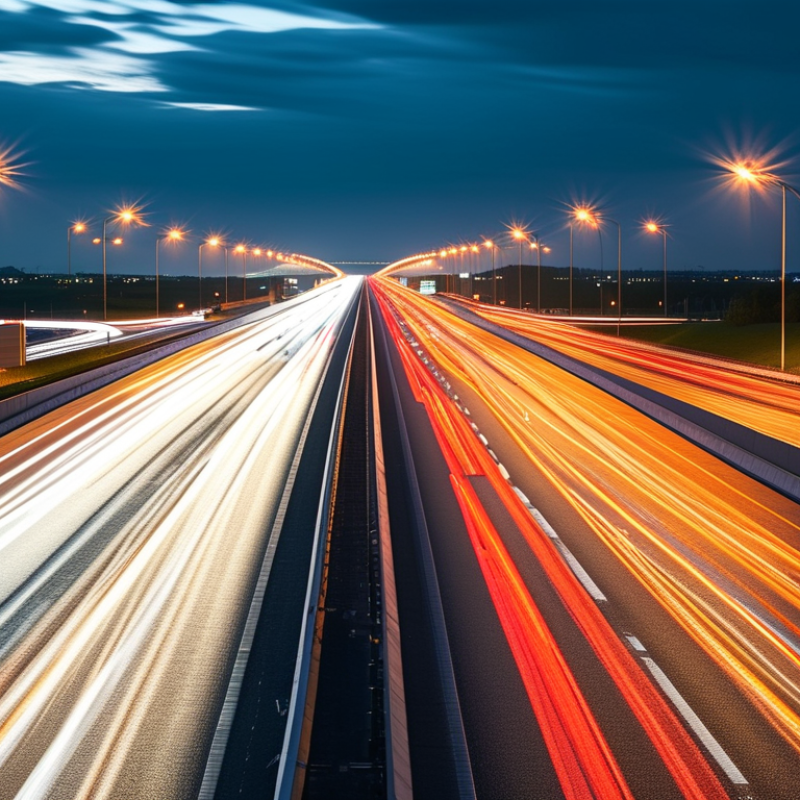
Uniform light distribution on highways is crucial for safety and efficiency. Poor lighting can lead to accidents and congestion. According to the International Commission on Illumination, proper illumination can reduce nighttime accidents by up to 30%. This statistic highlights the need for an effective lighting strategy.
In high-traffic areas, uneven lighting can create shadows, impairing visibility. A study by the U.S. Department of Transportation indicated that around 40% of fatal traffic accidents occur at night. This calls for a focus on consistent light levels to enhance driver perception. Properly designed lighting minimizes glare and dark spots.
Measuring light intensity at various points on the highway ensures even distribution. The recommended illuminance level is 1.5 to 2 foot-candles for major highways. This range helps drivers to react in time to obstacles or changes in traffic flow. Despite these recommendations, many highways still struggle with lighting issues. Continuous evaluation of lighting fixtures and layout is necessary to address these shortcomings.
: Uniform light distribution enhances safety and efficiency. Poor lighting can lead to accidents and congestion.
Proper illumination can reduce nighttime accidents by up to 30%. This highlights its critical role in road safety.
The recommended illuminance level is 1.5 to 2 foot-candles. This helps drivers react timely to obstacles.
Technology, like LED and smart lighting, ensures consistent illumination. It reduces shadows and enhances driver awareness.
Positioning lights too far apart creates dark spots. Overlapping light beams is crucial for optimal visibility.
Regular maintenance prevents dirt buildup and ensures fixtures work effectively. This is critical for maintaining uniformity.
Dimming or flickering lights must be inspected immediately. They can seriously compromise visibility on the road.
Curved sections may need additional lighting. Proper assessment is essential for ensuring safety.
Keep a maintenance log. This helps track inspections and repairs, identifying patterns in equipment failure.
Even slight shifts can greatly affect light distribution. Regular inspections are crucial to maintain alignment.
Achieving uniform light distribution on highways is crucial for enhancing safety and visibility for drivers and pedestrians. To understand how to ensure uniform light distribution on highway roads, one must first consider the various factors that influence lighting design, such as road geometry, traffic density, and environmental conditions. Technological advancements play a significant role in improving light distribution, with smart lighting systems and LED fixtures providing efficient solutions tailored to specific highway needs.
Furthermore, best practices in the installation and maintenance of highway lighting ensure optimal performance over time. Regular evaluation and measurement of light distribution efficiency help identify areas needing improvement and adjustments, ultimately leading to a safer driving environment. By focusing on these aspects, highway authorities can effectively enhance nighttime visibility and reduce accident rates.

 Penelope Light