Troubleshooting Tips for Solar Street Lights Not Turning On?

Time:2026-06-07 Author:Oliver
0%

Solar street lights are vital for urban safety and sustainability. According to the International Energy Agency, solar installations have increased by over 20% annually, emphasizing their importance. However, issues like lights not turning on can undermine their effectiveness.

“How to troubleshoot a solar street light that won't turn on?” is a common question among users. Expert Mark S. Johnson, a solar energy consultant, states, “Understanding the basics of solar technology can prevent many common issues.” Poor installation, faulty components, or inadequate sunlight exposure often lead to problems.

Despite advancements in solar technology, some challenges remain. Regular maintenance and inspections are critical for optimal performance. By addressing these issues, communities can ensure their solar street lights function effectively and provide reliable lighting. Sustainable lighting solutions deserve attention and care.
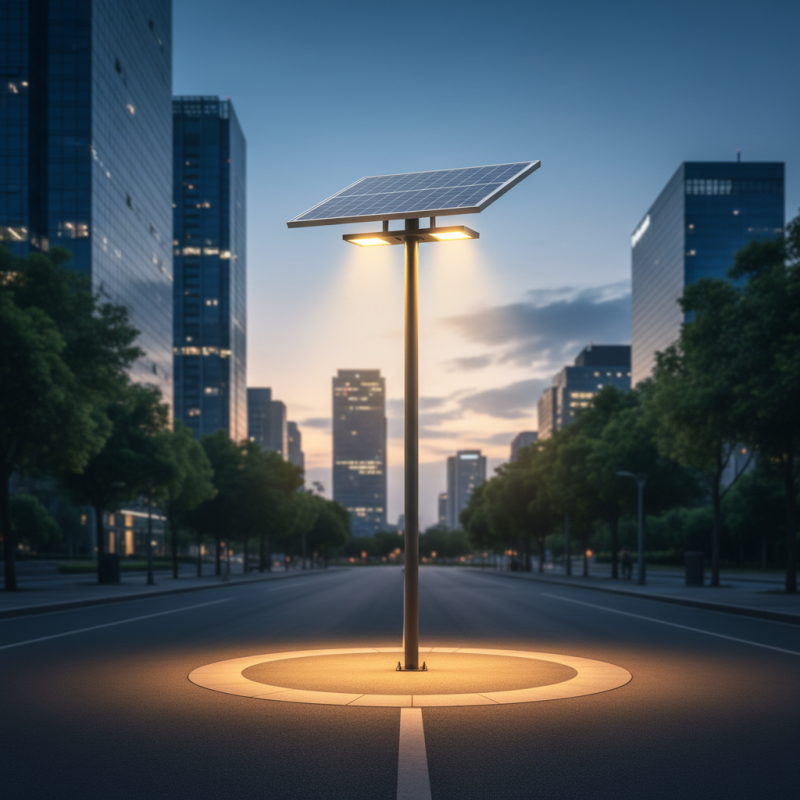
Troubleshooting Tips for Solar Street Lights Not Turning On?

Understanding the Common Causes of Solar Street Lights Malfunctioning

Solar street lights are a sustainable solution for public lighting. However, they may sometimes fail to turn on. Understanding the common causes of this issue is crucial for effective troubleshooting.

One frequent reason for malfunction is insufficient sunlight during the day. If the solar panels are dirty or obstructed, they cannot charge properly. Regular cleaning can help maintain their efficiency. Another common problem is battery failure. Over time, batteries may lose their capacity and need replacement. Inspecting the battery for swelling or leaks is essential.

Wiring issues can also lead to failure. Corroded connections or damaged wires may disrupt the power flow. Conduct a thorough visual inspection of the wiring to identify any visible damage. Additionally, ensure that the controller is functioning. A faulty controller can hinder the lighting system from turning on at night. Proper maintenance and periodic checks can enhance the performance and longevity of solar street lights.

Diagnosing Battery Issues: Voltage, Capacity, and Lifespan Considerations

Battery issues can significantly affect the operation of solar street lights. One main concern is voltage. If the battery voltage drops too low, the lights may not turn on. Regular testing using a multimeter can help assess the voltage levels. It's crucial to ensure that voltage remains within the specified range for the system.

Capacity is another important factor. Over time, batteries lose their ability to hold a charge. This loss can be gradual or sudden. Checking the capacity involves comparing the current maximum charge with the original specification. If the capacity falls below a usable level, it may indicate the need for replacement. Remember, an aging battery can lead to inconsistent performance.

Lifespan considerations also play a vital role. Factors such as temperature, usage, and maintenance can impact battery life. Harsh weather conditions can accelerate degradation. Keeping the batteries clean and free from debris can help prolong their lifespan. It's worth reflecting on when the last maintenance check was performed. Not addressing these issues may leave you in the dark—literally.

Examining Solar Panel Performance: Shading, Dirt, and Angle Impacts

Shading, dirt, and angle can significantly affect solar panel performance. When solar panels are shaded, their efficiency drops dramatically. Studies show that even a small shadow can reduce output by up to 80%. Direct sunlight enhances energy absorption. Therefore, positioning is crucial.


Cleaning solar panels is another vital aspect. Dust, leaves, and bird droppings can obstruct sunlight. According to research by the National Renewable Energy Laboratory, dirty panels can lose 5-30% of their efficiency. Regular cleaning can mitigate this issue. Simple maintenance practices lead to better long-term performance.


Consider the angle of your solar panels. A tilt of 30 degrees frequently results in optimal energy production. Adjusting the angle to match your geographical location can increase efficiency. Take note, though—over-adjusting may require additional hardware, leading to potential expenses.


Tips: Ensure panels are clean and free from shading. Assess panel angles according to seasonal changes. Frequent checks improve energy yield and overall system performance.

Assessing Controller Functionality: Program Settings and Fault Indicators

When solar street lights fail to turn on, assessing the functionality of the controller is crucial. The controller regulates various parameters, including operation timing and battery charging. According to industry reports, nearly 25% of solar street light issues stem from improper program settings. Incorrect configurations can lead to inadequate power management, which severely affects performance.

Regular evaluation of fault indicators is essential. Many controllers feature LED lights that signal errors or operational issues. If the LED is flashing, it may indicate low battery voltage or a faulty solar panel. Data shows that up to 30% of malfunctioning solar lights can be traced back to these basic faults. Owners often overlook these indicators, which can delay resolution.

It's important to know that environmental factors can influence solar light operation. Dust and debris can block solar panels, reducing energy absorption. Regular maintenance can prevent such issues. Even the best solar street lights need attention. Understanding your controller and responding to its signals is vital for reliable performance. A thorough check of component functionality is not just helpful; it's a necessity for sustainable operation.

Maintenance Best Practices: Ensuring Long-Term Reliability of Solar Lights

Maintaining solar street lights is crucial for long-term performance. Regular inspections can prevent issues like reduced brightness or failure to turn on. According to industry reports, improperly maintained solar lights can lose up to 30% of their efficiency over time. Battery performance is a common concern. Ensure batteries are replaced every three to five years to avoid unexpected outages.

Cleaning solar panels is another essential task. Dust and debris can significantly hinder energy absorption. Studies show that even a layer of dirt can reduce light output by 20%. Applying a simple routine of cleaning can enhance performance. Some users neglect this aspect, realizing only after diminished output.

Connection checks should occur routinely as well. Loose or corroded connections can lead to inconsistent performance. The estimated failure rate due to electrical issues is around 15%. Monitoring energy storage and solar generation regularly helps anticipate problems. Regular maintenance is not just about fixing; it’s about prevention and understanding the system’s nuances.

Troubleshooting Tips for Solar Street Lights Not Turning On

Issue Possible Causes Troubleshooting Steps Maintenance Tips
No Power Dead battery, Unconnected wiring Check battery connections, Replace battery if necessary Inspect connections monthly, Use quality batteries
Dim Lights Dirty solar panels, Low battery charge Clean solar panels, Check for sunlight blockages Clean panels regularly, Ensure installation location receives full sunlight
Lights Flickering Loose wiring, Faulty controller Check all electrical connections, Replace controller Secure wiring properly, Test controller functionality periodically
Lights Stay On During Day Sensor malfunction, Wiring issues Inspect light sensor, Check wiring for shorts Replace defective sensor, Regularly inspect wiring condition
Inconsistent Lighting Battery unevenly charged, Solar panel shading Test battery levels, Ensure panels are not shaded Avoid obstructions, Manage surrounding vegetation

FAQS

: What are common reasons solar street lights fail to turn on?

: Insufficient sunlight, dirty panels, battery failure, wiring issues, or a faulty controller often cause failures.

How does dirt affect solar panel performance?

Dirt, dust, and debris can block sunlight, reducing efficiency by 5-30%. Regular cleaning is necessary.

How can I maintain my solar street lights?

Conduct regular inspections, clean solar panels, and check wiring connections frequently for optimal performance.

What should I do if my solar street light isn't working?

Inspect for dirty panels, battery issues, or corroded wiring. Cleaning and maintenance are often overlooked.

How often should batteries in solar lights be replaced?

Replace batteries every three to five years to prevent unexpected outages and maintain reliability.

Why is the angle of solar panels important?

Correct angles enhance energy production. A 30-degree tilt often yields optimal performance, but adjustments may require extra hardware.

What is the impact of shading on solar panel efficiency?

Even small shadows can reduce output by up to 80%. Ensuring panels are unobstructed is crucial.

How can I identify wiring issues in solar lights?

Check for visible damage or corrosion in the wiring. Loose connections can lead to inconsistent performance.

How frequently should I check my solar lighting system?

Regular checks enhance energy yield and prevent potential problems. It's about both proactive maintenance and understanding the system.

Can regular maintenance really improve the lifespan of solar lights?

Yes, regular inspections and cleaning can prevent efficiency loss and ensure longer-lasting performance. Neglecting maintenance often leads to issues.

Conclusion

When addressing the issue of "How to troubleshoot a solar street light that won't turn on?", it's essential to first understand the common causes of malfunction. Various factors, such as battery issues—including voltage discrepancies, reduced capacity, and lifespan limitations—can prevent the lights from functioning. Additionally, the performance of the solar panels must be examined, considering effects from shading, dirt accumulation, and improper angling.

Furthermore, assessing the functionality of the controller is crucial; incorrect program settings or fault indicators may lead to operational failures. Regular maintenance practices play a vital role in ensuring the long-term reliability of solar lights, enabling them to perform optimally and reduce the likelihood of encountering issues. By systematically diagnosing these areas, you can effectively troubleshoot and restore functionality to solar street lights that are not turning on.

Oliver

Oliver

Oliver is a seasoned marketing professional with a wealth of expertise in driving brand awareness and engagement. With a deep understanding of our company's product offerings, he consistently delivers high-quality content that enriches our professional blog. His insights not only shed light on......