Solar energy has become increasingly popular for home and landscape lighting. All-in-one solar lights have captured attention due to their DIY-friendly design. Why are all-in-one solar lights easier for DIY installation? This question invites exploration into their unique features that simplify the process.
These lights combine solar panels, batteries, and fixtures into a single unit. This compact design eliminates the need for complicated wiring or multiple parts. Installation typically requires only a few simple tools and minimal technical knowledge. This makes all-in-one solar lights accessible to novices and experts alike.
Moreover, these lights often come with user-friendly instructions, ensuring a hassle-free setup experience. They can be mounted virtually anywhere, from fences to trees. However, some users may struggle with placement. Finding the ideal location is crucial for maximizing sunlight exposure. Each installation can vary based on specific environmental conditions. These factors should be carefully considered for optimal performance. Balancing ease with effective lighting solutions is essential in modern DIY projects.
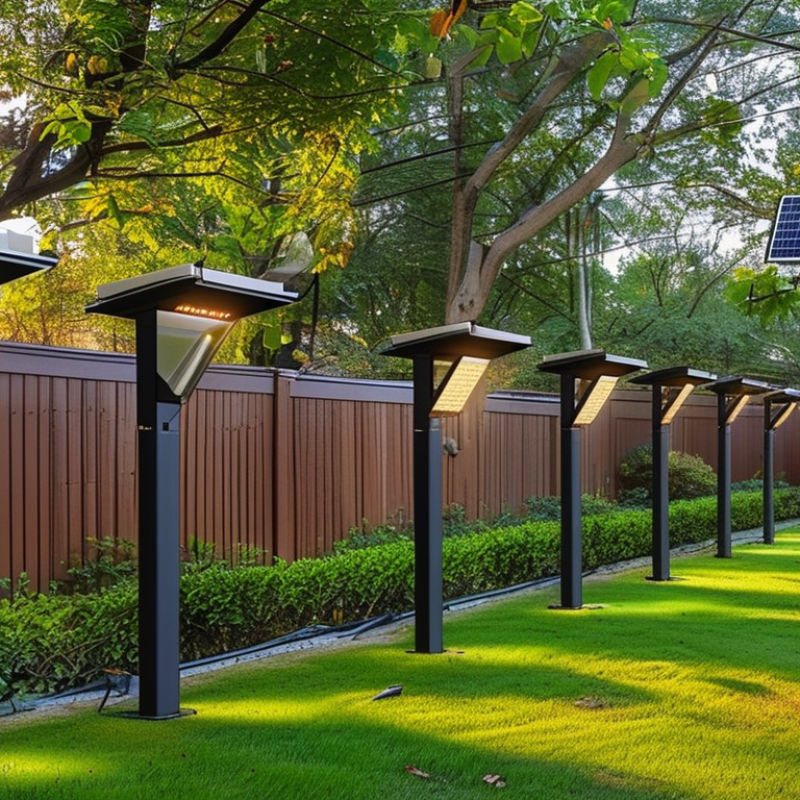
Advantages of All-in-One Solar Lights for DIY Projects
All-in-one solar lights offer a perfect solution for DIY enthusiasts. They combine a solar panel, LED lights, and a battery in one compact unit. This design simplifies installation, eliminating the need for complicated wiring. With no electrical expertise required, anyone can install them in minutes. Just choose a location with ample sunlight, mount the fixture, and you're set.
Another advantage is their energy efficiency. These lights harness sunlight during the day, which power them at night. The result is a reduced energy bill. Additionally, they require minimal maintenance. Once installed, they can operate for years without attention. However, proper positioning is crucial. If placed in shaded areas, they won’t perform well at night. It's essential to assess sunlight exposure before installation.
Moreover, their durability is commendable. Many models are weather-resistant and designed to withstand various climates. Still, materials can vary, and some may not hold up as well as others. It’s beneficial to research before making a purchase. In summary, these lights represent an efficient, user-friendly option for outdoor lighting projects. They blend functionality with ease, appealing to many DIYers looking to enhance their spaces.
Key Features That Simplify DIY Installation of Solar Lights
When it comes to DIY installations, all-in-one solar lights stand out. Their key features simplify the process, making it easy for everyone. Many units come with built-in sensors. These sensors detect motion or ambient light levels. This feature eliminates the need for complicated wiring. Additionally, most models include adjustable brightness settings. Users can choose the right amount of light for various settings.
Another significant aspect is the ease of assembly. All-in-one solar lights typically have fewer components. This reduces confusion during installation. The detailed instructions included are straightforward, guiding users through each step. Moreover, the compact design ensures they can fit in various outdoor spaces without overwhelming them. In some cases, people may experience issues with positioning.
Finding the right angle can significantly impact performance. Joyfully, this is an opportunity for improvement. Learning from these challenges can enhance future installations, leading to better outcomes.
Additionally, these lights are often equipped with energy-efficient batteries. This feature ensures they last longer through the night. The sustainability factor appeals to many DIY enthusiasts. While the technology is generally reliable, some users report varying performance based on weather. Evaluating local conditions before installation can help ensure optimal functionality. These experiences can lead to hands-on knowledge, further empowering DIY enthusiasts.
Cost-Effectiveness of All-in-One Solar Lights for Homeowners
All-in-one solar lights offer significant cost-effectiveness for homeowners. They eliminate the need for expensive wiring and installation fees. Setup is straightforward and does not require professional assistance. This simplicity saves time and money, making these lights an attractive option for many.
The initial investment in all-in-one solar lights is often less than traditional lighting systems. Homeowners can typically recover these costs through lower electricity bills and reduced maintenance. Unlike conventional lights, solar lights harness the sun’s energy. This means minimal ongoing expenses.
However, it’s essential to consider the long-term durability of solar lights. They rely on sunlight, which may fluctuate seasonally. Some users report that performance diminishes over time. Testing various locations for optimal sunlight can help. Ultimately, while all-in-one solar lights are cost-effective, careful selection and placement are key.
Environmental Benefits of Using Solar Energy for Lighting
Using solar energy for lighting offers significant environmental benefits. Solar lights harness energy from the sun, reducing reliance on fossil fuels. According to the U.S. Department of Energy, solar energy systems can reduce greenhouse gas emissions by up to four metric tons annually for a typical household. This is a crucial step in combating climate change.
Solar lights operate without electricity, which decreases energy consumption. The National Renewable Energy Laboratory states that solar technology usage could redistribute 20% of the global energy demand by 2030. Every solar light installed contributes to this shift. It allows more families to participate in a sustainable lifestyle.
The life cycle of solar lighting also shows promise. Compared to traditional lights, solar lights can save up to 80% on energy costs. However, initial installation costs might deter some users. It’s essential to weigh benefits against potential challenges like weather dependence. Many users still appreciate the independence and efficiency of solar lights. Reflecting on personal experience is vital. Understanding these installations leads to informed decisions and promotes a greener future.
Top 10 Reasons All in One Solar Lights are Best for DIY Installation
| Reason |
Description |
Environmental Benefit |
| 1. Eco-Friendly |
Solar lights use renewable solar energy. |
Reduces reliance on fossil fuels. |
| 2. Low Carbon Footprint |
Minimal emissions during operation. |
Helps combat climate change. |
| 3. Energy Independence |
Generates energy on-site. |
Decreases energy dependency. |
| 4. User-Friendly |
Easy to install without expertise. |
Encourages sustainable practices. |
| 5. Cost-Effective |
Reduces electricity costs. |
Promotes financial sustainability. |
| 6. Versatile Applications |
Suitable for various outdoor settings. |
Adaptable to different environments. |
| 7. Safety Features |
No risk of electric shock. |
Safer for wildlife and plants. |
| 8. Low Maintenance |
Durable and long-lasting components. |
Less waste over time. |
| 9. Aesthetic Appeal |
Enhances outdoor décor with lighting. |
Supports eco-friendly landscaping. |
| 10. Government Incentives |
Possible tax credits for solar installations. |
Encourages adoption of renewable energy. |
Tips for Choosing the Right All-in-One Solar Light System for Your Needs
When choosing an all-in-one solar light system, consider your specific needs. Assess the area where you plan to install the lights. Look for features like brightness and illumination distance. For example, a larger yard may require more powerful lights for effective coverage. The right lumens can make a big difference.
Think about your installation preferences. Many systems offer easy, DIY setups, saving time and effort. However, not all kits are user-friendly. Read reviews and gather information on the installation process. Some users may find the instructions unclear, leading to potential frustration.
Additionally, consider the battery life and charging efficiency. Some systems charge quickly, while others struggle under cloudy weather. This can affect performance. It's essential to choose a model that fits your local climate conditions. A little research can help you find a reliable option. Be aware that not every system will meet expectations, and some may require adjustments after installation.
Top 10 Reasons All in One Solar Lights are Best for DIY Installation
FAQS
: They have built-in sensors, adjustable brightness, and fewer components for easy installation.
Sensors detect motion and light levels, removing the need for complex wiring.
They come with straightforward instructions and a compact design, minimizing installation confusion.
Users may struggle with positioning the lights, impacting performance and requiring adjustment.
They reduce reliance on fossil fuels and cut greenhouse gas emissions significantly.
Weather can affect battery life and charging efficiency, impacting overall performance.
Solar lights can save up to 80% on energy costs over their lifetime.
Initial installation costs and varying performance based on weather can be concerns.
Reader reviews can help assess the user-friendliness of the installation process.
Learning from challenges can lead to better outcomes and smarter choices in the future.
Conclusion
All-in-one solar lights have emerged as an ideal choice for DIY enthusiasts due to their numerous advantages. One of the main reasons why are all-in-one solar lights easier for DIY installation is their integrated design, which eliminates the need for complex wiring and separate components. This simplicity not only streamlines the installation process but also reduces the time and effort required for setup. The cost-effectiveness of these systems makes them appealing to homeowners looking to enhance their outdoor spaces without breaking the bank.
Additionally, all-in-one solar lights contribute to environmental sustainability by utilizing solar energy, thereby reducing reliance on fossil fuels and lowering carbon footprints. When considering a solar lighting system, one should focus on key features such as durability, brightness levels, and battery capacity to ensure they choose the right fit for their needs. Ultimately, all-in-one solar lights provide an efficient, eco-friendly, and user-friendly solution for anyone looking to undertake a DIY lighting project.

 Penelope Light