As more cities embrace solar street lights, a common issue arises: "Why is my solar street light dimming at night?" This question reflects the real concerns of municipalities and residents alike. Dimming lights can compromise safety and visibility. Various factors contribute to this problem.
One primary reason involves battery performance. Solar panels charge batteries during the day, but if batteries are old or malfunctioning, they may not hold a charge effectively. This could lead to insufficient power at night. Additionally, the positioning of the solar panel affects charging efficiency. Shadows from nearby trees or buildings can limit sunlight exposure, causing reduced illumination.
Another potential issue lies in the quality of the solar light's components. High-quality products are less likely to face these problems. However, budget models might use inferior materials, leading to premature performance issues. Regular maintenance is crucial. Failing to clean solar panels or check connections can lead to diminished light output. Understanding these factors is key to resolving the dimming issue and ensuring adequate street lighting.
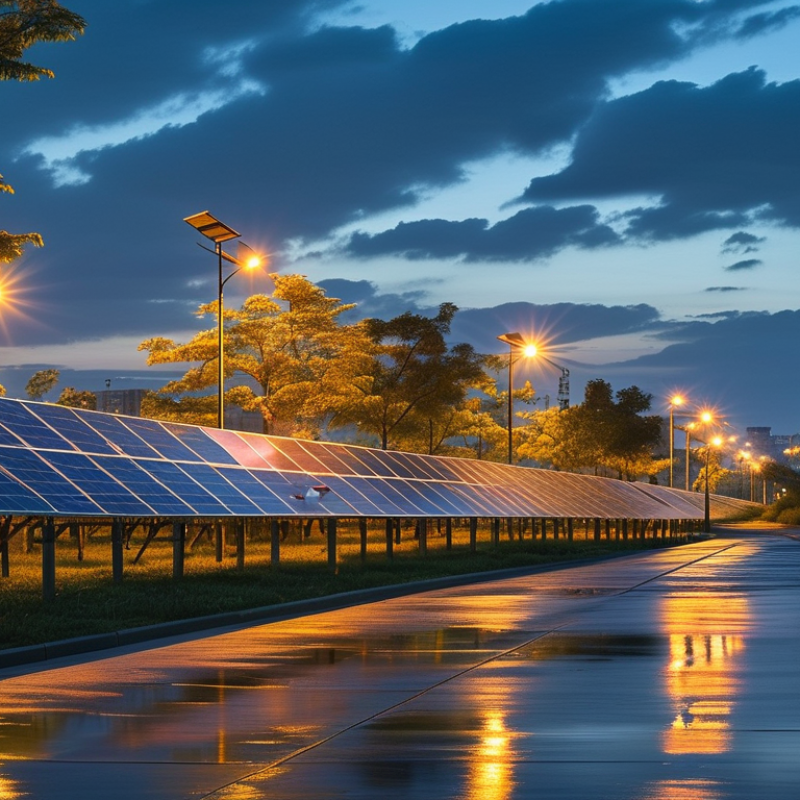
Solar street lights are designed to harness sunlight during the day and illuminate streets at night. However, many users notice a dimming effect as darkness falls. Understanding the functionality of these lights can illuminate many reasons for this issue.
Solar street lights operate using solar panels, batteries, and LED fixtures. The panels capture sunlight and convert it into energy during the day. This energy charges the batteries. A fully charged battery can last for a full night. According to the U.S. Department of Energy, solar lights typically have an efficiency rate of around 80% in good conditions. However, if the battery is old or damaged, this efficiency drops significantly, leading to dim lights.
To optimize performance, ensure that panels are clean and free from debris. Regular maintenance can prevent issues. Understanding local weather patterns is also essential. Overcast days reduce charging efficiency. On such days, the lights may not provide adequate illumination at night.
Tip: Consider installing a solar light with a larger battery capacity for areas with less sunlight. This can help mitigate dimming at night. Also, invest in quality LEDs designed for longer runtimes. Monitoring and maintaining your solar street lights can enhance their longevity and brightness.
Dimming in solar street lights can result from various factors. One common reason is insufficient battery capacity. Solar street lights rely on batteries to store energy from sunlight. If the battery is old or not properly sized, it may not hold enough charge. Reports indicate that up to 30% of solar street lights experience battery-related issues.
Another factor is the quality and type of solar panels used. Lower quality panels may not absorb sunlight efficiently, leading to decreased energy output. Studies show that energy conversion efficiency can vary by as much as 25% depending on panel quality. This inefficiency can cause lights to dim earlier than intended.
Environmental conditions also play a role. Dust, snow, or shade from nearby structures can obstruct sunlight. Installation on a hill or under trees may limit sun exposure. In urban areas, obstructions can reduce solar energy collection, impacting brightness. These conditions often lead to a need for reflection on installation sites and their proximity to natural light sources.
| Reason | Description | Potential Solution |
|---|---|---|
| Battery Issues | The batteries may be old or not holding a charge properly. | Replace the batteries with new, compatible ones. |
| Insufficient Sunlight | Limited exposure to sunlight due to obstacles like trees or buildings. | Relocate the light to a sunnier location. |
| LED Degradation | LED bulbs can dim over time due to wear and tear. | Replace the LED bulbs with new ones. |
| Controller Malfunction | The light controller may not be functioning properly. | Test and replace the controller if defective. |
| Temperature Effects | Extremely cold weather can affect battery performance. | Consider using batteries rated for colder conditions. |
Dimming of solar street lights at night often ties back to battery performance issues. Understanding how various factors affect the batteries can explain this problem. A recent report by the International Renewable Energy Agency (IRENA) highlighted that temperature fluctuations can significantly impact battery efficiency. Solar batteries typically work best between 20°C and 25°C. Extreme temperatures, whether too hot or too cold, can lead to reduced energy storage and quicker discharge rates.
Another crucial aspect is the quality of solar batteries. Research suggests that cheaper batteries lose performance faster. In fact, studies show that lead-acid batteries, commonly used in solar applications, have a shorter life span compared to lithium-ion counterparts. They can lose up to 25% of their performance within three years if not handled properly. This means that even well-installed solar street lights might dim sooner than expected if the wrong battery is utilized.
Lastly, improper solar panel placement can hinder battery charging efficiency. Shading from trees or buildings can limit sunlight exposure, causing batteries not to charge fully during the day. This inadequate charging then manifests as dimming at night. In many scenarios, users may overlook this factor, leading to unexpected performance issues. Therefore, regular maintenance and assessment of solar systems are essential for optimal function.
Weather and environmental conditions can significantly affect the performance of solar street lights. On cloudy days,
solar panels produce less energy, which results in dimmer lights at night.
Heavy rainfall or snow can also reduce sunlight exposure. This impacts the overall energy stored in the battery.
Besides weather, other factors play a role as well. Pollution and dust on the solar panels can block sunlight, further
limiting efficiency. Trees and buildings casting shadows can decrease solar charging during the day. It might be
necessary to periodically clean solar panels to ensure optimal performance.
Even with proper maintenance, users may still notice dimming lights. This might not always indicate a malfunction.
Seasonal changes can lead to variations in light output. The design of the solar
street light also impacts how it adapts to different conditions. It’s worth reflecting on these elements to maintain
appropriate expectations for solar light performance.
When solar street lights dim at night, it often points to underlying issues. Regular maintenance can help ensure they function optimally. Clean the solar panels to maximize their efficiency. Dust and debris can significantly reduce sunlight absorption. A clean panel allows more light, leading to brighter nights.
Battery health is another critical factor. Over time, batteries lose their capacity to hold charge. Check the batteries periodically. Replacing them when they show signs of wear can prevent unexpected dimming. Additionally, ensure all connections are secure and free from corrosion. Loose wires can disrupt power flow, reducing brightness.
Finally, consider the settings of your solar lights. Some may have energy-saving modes that trigger dimming during certain hours. Adjusting these settings can provide a brighter illumination throughout the night. By taking a proactive approach, you can keep your solar street lights shining brightly.
: Dimming can be due to insufficient battery capacity or low-quality solar panels.
Old or improperly sized batteries may not hold enough charge, leading to dim lights.
Low-quality panels can absorb less sunlight, causing a significant decrease in energy output.
Dust, shade, and pollution can block sunlight, reducing energy collection and light brightness.
Cloudy weather and heavy rain can decrease energy production, making lights dimmer at night.
Regularly clean solar panels and check battery health to ensure optimal performance.
Seasonal changes and normal design variations can affect light output.
Yes, dust and debris can hinder sunlight absorption, making cleaning vital for efficiency.
Adjust the settings to disable energy-saving features for brighter illumination at night.
Periodic checks are important to prevent unexpected dimming from battery wear.
The article titled "Why is My Solar Street Light Dimming at Night?" explores the fundamental mechanisms behind solar street light functionality, addressing the common reasons that lead to dimming. Key factors such as battery performance, which can be influenced by the time of year and charging conditions, play a significant role in how bright these lights shine at night. Additionally, environmental elements like weather conditions can greatly impact light output, causing fluctuations in brightness.
To combat this issue, the article also provides valuable maintenance tips aimed at enhancing the performance of solar street lights. Regular checks and timely interventions can help ensure optimal functioning and longevity of the lighting systems. By understanding these aspects, users can better address the question of "Why is my solar street light dimming at night?" and take proactive steps to maintain efficient lighting in their spaces.

Penelope Light