How to protect LED street lamps from lightning surges?

Time:2026-05-28 Author:Ethan
0%

Protecting LED street lamps from lightning surges is crucial for urban safety. According to Dr. Emily Carter, an electrical engineering expert at the National Institute of Technology, "Understanding surge protection is key to ensuring the longevity of street lighting systems." She emphasizes the need for effective strategies in guarding these essential fixtures against unpredictable weather.

The increasing reliance on LED technology in street lighting means that we must address vulnerabilities. Urban areas are prone to lightning strikes, which can cause severe damage to electrical systems. Special surge protective devices and grounding techniques play a significant role in mitigating risks. Furthermore, regular maintenance and inspections are vital to identify potential weaknesses.

Many cities have seen the consequences of inadequate protection, leading to costly repairs and service interruptions. It’s essential to evaluate existing infrastructures and adapt to new advancements in surge protection. Informed decisions on implementing measures against lightning surges can make a profound difference. The question remains: How to protect LED street lamps from lightning surges? The answer lies in both innovation and a commitment to safety.
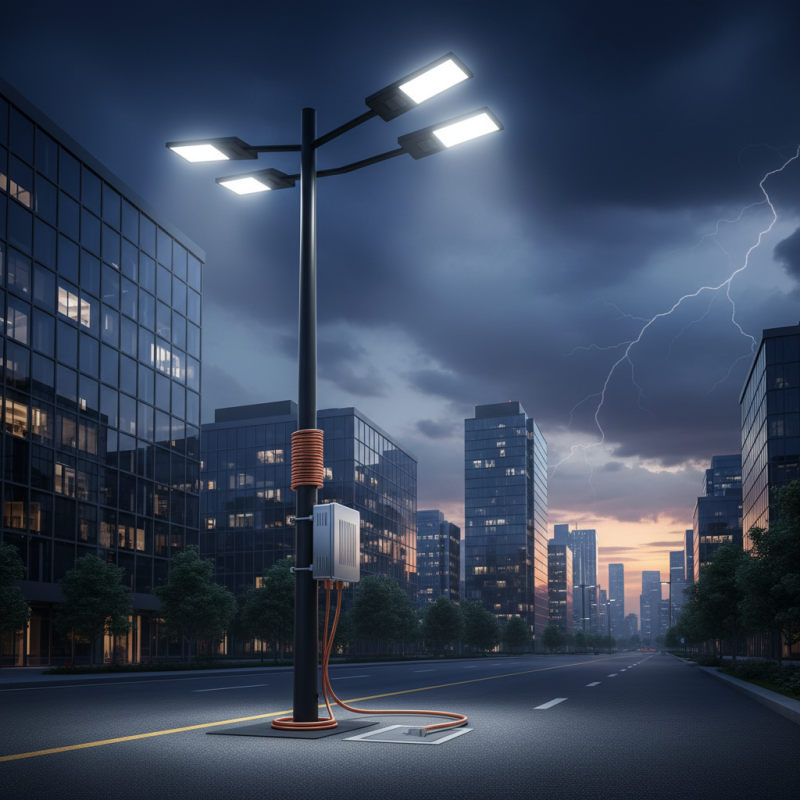
How to protect LED street lamps from lightning surges?

Understanding Lightning Surges and Their Impact on LED Street Lamps

Lightning surges can severely impact LED street lamps. These surges occur when lightning strikes nearby, sending a shockwave through the electrical system. Research from the National Weather Service shows that lightning strikes the ground an estimated 25 million times each year in the U.S. alone. This means that municipal lighting systems are at high risk, particularly in storm-prone areas.

LED street lamps contain sensitive electronic components. When hit by a surge, these components can fail. A study published in the IEEE Transactions on Electromagnetic Compatibility noted that surge protection could reduce damage to street lighting by up to 70%. Many municipalities overlook the placement of protection devices, leading to unexpected outages and costly repairs. Without proper safeguards, cities face increased maintenance costs and extended downtime.

Investing in surge protective devices (SPDs) is essential for long-term reliability. However, many installations lack adequate protection. Engineers should evaluate their systems more effectively. Relying on outdated surge protection can lead to frequent replacements and added costs. As the climate changes and storms become more severe, enhancing protection for LED street lamps is crucial for urban infrastructure resilience.

Key Components of LED Street Lamp Surge Protection Systems

Lightning surges can cause significant damage to LED street lamps. To counter this threat, specific components are vital in surge protection systems. These systems typically include surge protective devices (SPDs), which are crucial in redirecting excess voltage away from sensitive electronics. According to industry data, over 50% of street lamp failures are due to power surges.

Another critical element is proper grounding. Ensuring a robust grounding system minimizes voltage spikes during lightning strikes. Without solid grounding, the risk of permanent damage increases. Regular audits can help identify grounding issues, enhancing safety and reducing costs.

**Tips:** Always verify the ratings of SPDs you choose. Look for those suitable for outdoor environments. Regular inspections can uncover weak points, allowing for timely upgrades. Evaluate maintenance records to ensure long-term reliability of your system. Consistent monitoring will help identify potential vulnerabilities.

Lightning Surge Protection for LED Street Lamps

Effective Grounding Techniques for LED Street Lamps

Grounding techniques play a crucial role in protecting LED street lamps from lightning surges. Proper grounding helps divert excessive electrical energy safely into the ground. This minimizes potential damage to the lighting systems. Implementing effective grounding methods reinforces the resilience of street lamps against lightning strikes.

To ensure optimal protection, consider a few tips. First, use a dedicated grounding rod for each lamppost. This direct connection lowers resistance, enhancing safety. Next, employ a grounding conductor that meets the necessary standards. A thicker gauge reduces the risk of overheating. Regular inspections of the grounding system can reveal potential issues.

Another method is bonding metal components to the grounding system. This holistic approach prevents voltage differentials between parts of the lamp. While these techniques are effective, environmental factors must be taken into account. Soil conductivity can change, affecting grounding reliability. Addressing these variations is crucial for long-term protection.

How to protect LED street lamps from lightning surges? - Effective Grounding Techniques for LED Street Lamps

Technique Description Effectiveness Cost Estimate
Proper Grounding Connecting the lamp to a grounding system that dissipates electrical surges. Very High $200 - $500
Surge Protection Devices Installing specialized devices that prevent overvoltage into the lamp. High $150 - $300
Shielding Using conductive materials around the lamp to redirect lightning strikes. Moderate $100 - $250
Regular Maintenance Routine checks and repairs of grounding systems and surge protectors. High $50 - $100 per visit

Choosing the Right Surge Protective Devices for LED Fixtures

When selecting surge protective devices (SPDs) for LED street lamps, the importance of quality cannot be overstated. A reliable SPD protects fixtures from voltage spikes caused by lightning or electrical faults. Choosing the right device involves understanding the specifications and ratings. Look for SPDs that have a low clamping voltage and fast response time. These features reduce the risk of damage.

Installation is also critical. The device must be placed close to the LED fixtures. This minimizes the distance that a surge can travel, reducing the chance of damage. Proper grounding enhances the effectiveness of the SPD, ensuring that excess voltage is directed away from sensitive components.

Consider the environment as well. Urban areas may have more electrical interference than rural settings. In such cases, enhanced protection might be necessary. Regular inspection and maintenance of SPDs are essential. Over time, wear and tear can weaken their protective capabilities. Monitoring performance and replacing old devices can mitigate risks effectively.

Regular Maintenance Practices for Ensuring Surge Protection Efficacy

Regular maintenance of LED street lamps is essential for their longevity and protection against lightning surges. Inspecting the surge protection devices periodically is crucial. This should include checking for wear and tear and ensuring that they are functioning properly. Any signs of damage should prompt immediate replacement. A proactive approach minimizes potential issues that could arise from lightning strikes.

Cleaning the fixtures is another vital task. Dirt and debris can hinder the performance of protective circuits. Regular cleaning sessions prevent buildup that may lead to failures during storms. Additionally, reviewing the installation of grounding systems is important. Grounding ensures that excess voltage is directed safely away from the lamp. Any inadequacies in the grounding system should be addressed promptly.

Documenting maintenance activities can help track the effectiveness of these practices. It can reveal patterns or trends that indicate the need for adjustments in maintenance schedules. Sometimes, despite best efforts, unforeseen issues may arise. A reflective attitude towards these challenges can enhance overall maintenance strategies, ensuring that the street lamps remain functional and safe during stormy weather.

FAQS

: What are lightning surges?

: Lightning surges occur when lightning strikes, sending a shockwave through electrical systems. They can damage sensitive equipment.

How do lightning surges affect LED street lamps?

Surges can cause failures in LED components, leading to outages and costly repairs. Protection is often overlooked.

What is the benefit of surge protective devices (SPDs)?

SPDs reduce damage to street lighting by up to 70%. They help ensure long-term reliability in municipal lighting systems.

Why is proper grounding important?

Proper grounding diverts electrical energy safely into the ground, minimizing potential damage. It enhances the resilience of LED lamps.

How should grounding be implemented?

Use dedicated grounding rods for each lamppost and ensure the grounding conductor meets standards to reduce overheating risks.

What factors affect grounding reliability?

Environmental factors, such as soil conductivity, can change over time. It's essential to monitor these variations for effective protection.

What features should SPDs have?

A good SPD should have low clamping voltage and fast response time. These features help minimize damage risks.

How should SPDs be installed?

Install SPDs close to LED fixtures to diminish surge travel distance. Effective grounding improves their protective capability.

How often should SPDs be inspected?

Regular inspections are crucial to check for wear and tear. Replacing old devices can help maintain effective protection.

What should municipalities consider regarding storm conditions?

As storms become more severe, enhancing protection for LED street lamps is essential. It’s an area that needs more attention.

Conclusion

The article titled "How to protect LED street lamps from lightning surges?" addresses the critical issue of safeguarding LED street lighting systems against lightning-related damage. It begins by explaining lightning surges and their detrimental effects on these lighting fixtures. The article then delves into the essential components of surge protection systems specifically designed for LED street lamps, emphasizing the importance of effective grounding techniques to mitigate risks.

Furthermore, it highlights the selection of appropriate surge protective devices (SPDs) that are compatible with LED technology and outlines regular maintenance practices to ensure the ongoing efficacy of surge protection measures. By following the outlined strategies, municipalities can significantly reduce the risk of lightning damage, enhance the longevity of their LED street lamps, and maintain reliable illumination in public spaces.

Ethan

Ethan

Ethan is a seasoned marketing professional with a deep expertise in our company's innovative product line. With a passion for sharing knowledge and insights, he takes the lead in regularly updating our corporate blog, where he explores industry trends, product features, and effective marketing......