As cities increasingly switch to LED street lights, questions arise about their performance. A common concern is: "Why are my LED street lights flickering in cold weather?" Renowned lighting expert Dr. Emily Lawson has noted, "Temperature extremes can impact LED functionality, leading to flickering." Understanding this phenomenon can help residents and city planners address issues effectively.
In colder temperatures, LED lights may not operate optimally. LEDs are sensitive to thermal conditions, and low temperatures can change how they function. Flickering could indicate a mismatch between the driver and the LED itself. A faulty driver can struggle to provide consistent power when temperatures drop. This results in a strobe-like effect that can be quite unsettling.
Moreover, not all flickering is due to temperature. It’s crucial to inspect the entire system, including connections and fixtures. A thorough evaluation may reveal underlying issues. Ultimately, understanding why LED street lights flicker in cold weather can raise awareness and lead to better maintenance practices.
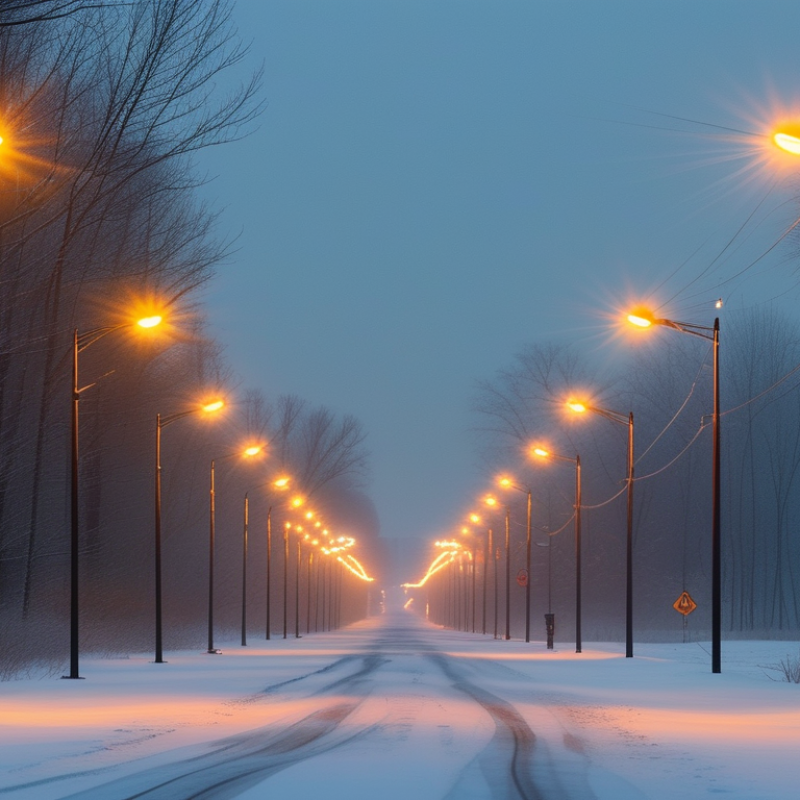
LED street lights have transformed urban lighting with their energy efficiency and longevity. However, they can flicker in cold weather, a phenomenon caused by temperature-induced changes in electronic components. According to a report by the Department of Energy, colder temperatures can affect LED drivers, leading to inconsistencies in power delivery. This is a common issue in regions with significant temperature drops.
The flickering indicates that the light's circuitry is struggling to maintain stable performance. In these instances, the internal components, such as capacitors, may not function optimally. For example, research shows that LED drivers can experience a reduced lifespan when exposed to extreme cold. The flickering may also be a sign that the driver is not rated for low temperatures. Inadequate system design can exacerbate these issues, impacting both efficiency and reliability.
Cities are increasingly adopting LED technology, but some face challenges during winter months. Proper installation and regular maintenance are critical to ensuring long-term functionality. Some municipalities report higher flicker rates in colder climates. This invites a necessary reevaluation of LED street light specifications. Policymakers and engineers must address these factors to enhance urban lighting systems throughout varying weather conditions.
Cold weather can be harsh on LED street lights. As temperatures drop, the flickering phenomenon becomes more noticeable. This issue arises from the thermal properties of LED technology. When exposed to extreme cold, the components can behave unpredictably. A report from the Department of Energy indicates that temperature fluctuations can affect the efficiency of solid-state lighting, revealing a vulnerability in LED circuits.
The flickering occurs due to the changing electrical characteristics of the LED driver. In low temperatures, the driver may struggle to maintain consistent voltage levels. Light output can fluctuate, leading to an annoying strobe-like effect. This is particularly problematic in urban areas where proper illumination is crucial for safety. A study found that over 20% of street lights installed in colder climates reported flickering issues during winter months, raising concerns about public safety and energy efficiency.
Surprisingly, there is a gap in understanding the long-term impact of cold weather on LEDs. Maintenance protocols are often overlooked. As flickering occurs, municipal authorities may fail to address the issue promptly. This lack of timely response not only affects visibility but also diminishes public trust in smart city technologies. More research is needed to ensure that LED street lights can withstand colder temperatures without compromising their functionality.
LED street lights can flicker in cold weather for several reasons. One common cause is the temperature sensitivity of the electronic components. As temperatures drop, materials can contract. This contraction may cause connections to weaken. The result is a flickering light that can be bothersome to drivers and pedestrians.
Another issue lies in the power supply. Cold weather can impact the consistency of the electrical supply. Voltage fluctuations might occur, leading to inconsistent light output. Additionally, the LED drivers may not perform optimally in extremely low temperatures. Sometimes, they are unable to handle the cold, which exacerbates flickering.
To minimize flickering, regular maintenance checks are essential. Inspect the connections to ensure they are secure. Consider upgrading to higher quality drivers, as they may better resist cold weather effects. Make sure outdoor lights are rated for low temperatures. This can enhance their overall performance and reliability. Investing time in these practices can significantly reduce flickering and improve safety.
| Cause of Flickering | Description | Occurrence Rate | Recommended Action |
|---|---|---|---|
| Temperature Sensitivity | LED drivers are sensitive to temperature changes, which can lead to flickering in cold weather. | 30% | Ensure drivers are rated for lower temperatures. |
| Voltage Fluctuations | Changes in electric current can cause LED lights to flicker. | 25% | Install a voltage stabilizer to minimize fluctuations. |
| Driver Malfunction | Failure or defects in the LED driver can result in flickering. | 20% | Regular maintenance and replacement of faulty drivers. |
| Thermal Management Issues | Poor heat dissipation can lead to thermal stress, causing flickering. | 15% | Improve ventilation and heat sinks of the fixtures. |
| Age of Equipment | Older fixtures may flicker as components wear out. | 10% | Consider upgrading to newer and more reliable models. |
LED street lights can be affected by environmental factors, especially in cold weather. When temperatures drop, the materials in LEDs may contract. This contraction can lead to instability in the electrical components. Consequently, flickering occurs as the light struggles to maintain a constant output. Poor thermal management exacerbates this problem. Inadequate heat dissipation can further disrupt LED performance.
Flickering may not always signal a defect. Sometimes, it’s just a reaction to temperature changes. Drivers used in LEDs can also contribute to flickering. Cold weather can alter the way these drivers function. Understanding this can help mitigate issues.
Consider a few practical tips to improve LED street light performance in colder environments. Regular maintenance is essential. Inspect lights for any signs of distress or damage. Ensure connections are secure and components are properly insulated. Additionally, select LEDs designed for low temperatures. They’re often built with materials that can handle colder conditions better. Keeping these points in mind can help prolong the life of your street lights and reduce flickering.
LED street lights can flicker in cold weather due to a variety of factors. One main issue is the temperature sensitivity of the LED drivers. As temperatures drop, the drivers may experience voltage fluctuations, leading to an inconsistent current flow. According to a report from the International Energy Agency, over 30% of municipalities have reported flickering issues in winter months. This is not just a cosmetic issue; it can impact safety and visibility on the streets.
To mitigate these flickering issues, municipalities can invest in more robust LED drivers designed for extreme temperatures. A report from the American Society of Civil Engineers mentions that using drivers with a wider operating temperature range can reduce flickering by up to 50%. Additionally, proper installation and regular maintenance can help identify potential problems before they escalate.
Monitoring the performance of LED street lights is essential. Data analytics can provide insights into when flickering occurs. This information can help target maintenance efforts during extreme weather conditions. Keeping an open line of communication with local lighting manufacturers can also yield advancements in technology that prevent flickering in extreme weather. It’s important to remain proactive in addressing these issues rather than waiting for complaints.
: Cold weather can cause LED lights to flicker due to unstable electrical components.
Flickering happens when the LED driver struggles to maintain consistent voltage levels in low temperatures.
Over 20% of street lights in colder climates reported flickering during winter, impacting public safety.
Not always. Flickering can be a normal reaction to temperature changes rather than a defect.
Regular maintenance, inspecting for damage, and ensuring secure connections can help reduce flickering.
Yes, some LEDs are built with materials that better handle low temperatures, improving performance.
Inadequate heat dissipation can disrupt LED performance and exacerbate flickering issues.
The long-term impacts remain unclear, indicating a need for more research into LED durability in cold conditions.
Municipal authorities may not address flickering promptly, which can reduce public trust in these technologies.
Cities should prioritize regular inspections and choose LEDs designed for the environmental conditions they face.
LED street lights have become increasingly popular due to their energy efficiency and longevity, but many users find themselves asking, "Why are my LED street lights flickering in cold weather?" The performance of these lights can be significantly affected by low temperatures, which impact the electronic components and materials used in their design. Cold weather can lead to a range of issues, including poor thermal management and reduced power supply stability, ultimately causing flickering.
Several environmental factors also contribute to this phenomenon, such as humidity and temperature fluctuations, which can exacerbate any underlying problems in the LED technology. To mitigate these flickering issues, solutions may include improving insulation, using more robust electronic drivers, or opting for designs that withstand colder climates. Understanding these factors is essential for ensuring reliable performance of LED street lights in winter conditions.

Penelope Light