In 2026, the importance of outdoor lighting is at an all-time high. With the growth of urban spaces, outdoor lamps are essential. Yet, choosing the right lamp isn't just about brightness. Many factors come into play, particularly the IP65 rating. Why is the IP65 rating important for outdoor lamps?
The IP65 rating indicates protection against dust and water. This means outdoor lamps can withstand harsh weather. Rain, snow, and dust won't compromise their performance. In places with frequent storms or high humidity, this rating becomes crucial. It ensures longevity and durability, making lamps reliable for outdoor use.
Many consumers overlook this critical specification. They focus instead on design and wattage. However, a beautiful lamp that breaks down after a few weeks is not worth the investment. It’s vital for manufacturers to educate customers on this rating. A lamp with an IP65 rating not only looks good but also functions efficiently. With the right knowledge, buyers can make informed decisions and enhance their outdoor spaces.
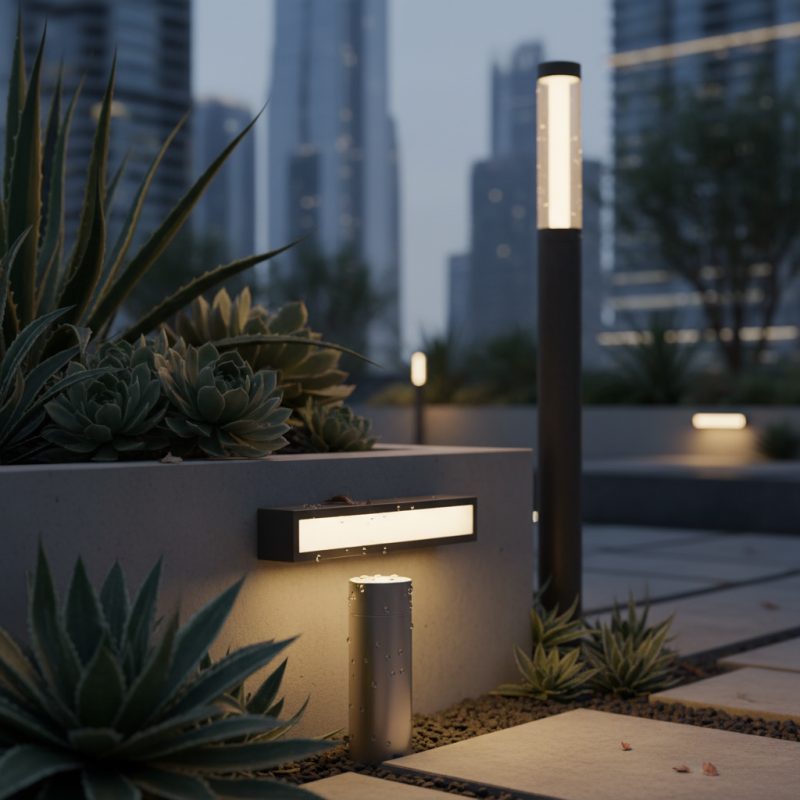
Importance of IP Ratings in Outdoor Lighting Systems
The importance of IP ratings in outdoor lighting systems cannot be overstated. An IP65 rating indicates that a lamp is both dust-tight and can withstand water jets. This level of protection is crucial for outdoor lamps, especially in 2026, when weather fluctuations are predicted to be more extreme. The National Oceanic and Atmospheric Administration projects increased rainfall in many regions, making waterproof fixtures essential.
According to industry reports, 75% of outdoor lighting failures are linked to inadequate weatherproofing. These failures lead to frequent replacements, which ultimately increases costs. The same reports highlight that investing in products with a higher IP rating can reduce maintenance costs by up to 40%. This proves that choosing IP65 rated lamps not only protects against water ingress but also enhances the lifespan of the lighting systems.
In terms of real-world implications, consider this: a well-sealed IP65 lamp can function in heavy rain without any performance issues. However, lamps with lower ratings may flicker or fail entirely in similar conditions. Choosing the right outdoor lamp requires careful consideration of these ratings. It's essential to prioritize reliability when selecting lighting solutions, as failures disrupt safety and visibility. There are still many lamps on the market with lower ratings, emphasizing a need for informed choices in outdoor lighting.
Understanding the IP65 Rating and Its Specifications
The IP65 rating is increasingly vital for outdoor lamps as we move into 2026. This rating signifies that an electrical device is protected against dust and low-pressure water jets. According to industry reports, nearly 80% of outdoor lighting failures are linked to water and dust ingress. Thus, investing in lighting that meets this rating can enhance product longevity.
Understanding the specifications of IP65 sheds light on its importance. The 'IP' stands for Ingress Protection, followed by two digits. The first digit, '6', indicates complete dust protection, while the second digit, '5', means the appliance can withstand water jets from any direction. This recognition is crucial given that studies estimate outdoor lights can lose 40% of their efficiency without proper ingress protection.
Moreover, harsh weather changes present challenges. Rain, snow, and wind can wear down less protected lighting options. For example, recent data suggests that lighting fixtures without adequate IP ratings can corrode or malfunction within a year in coastal areas. Adopting IP65-rated lamps mitigates these concerns and ensures continuous operation in challenging outdoor environments, underlining the need for robust standards in outdoor lighting solutions.
Challenges Weatherproof Outdoor Lamps Face Without IP65
Outdoor lamps face unique challenges when not equipped with an IP65 rating. The elements can be brutal. Rain, snow, and dust infiltrate a lamp's casing without effective sealing. This often leads to electrical failures. A sudden downpour can cause a short circuit, rendering a lamp useless. Moisture buildup inside fixtures can lead to corrosion over time.
Moreover, harmful UV rays can degrade materials used in outdoor lamps. Plastic becomes brittle, and colors fade quickly. Lack of appropriate weatherproofing compounds these issues. Without IP65 protection, lamps suffer premature aging. Regular maintenance becomes mandatory. Yet, not all users understand this need. Many trust their outdoor fixtures to withstand the elements, only to face disappointment.
These challenges highlight the importance of IP65 ratings in outdoor lighting. Users must recognize the significance of this standard. Rain and dust may seem trivial, but they are not. Investing in lamps with the right protection ensures longevity. It is a small price to pay for peace of mind and consistent performance. Outdoor spaces deserve reliable lighting, and the right specifications are essential for that.
Benefits of IP65 Ratings for Durability and Longevity
When considering outdoor lamps in 2026, an IP65 rating proves essential. This rating indicates robust protection against dust and water. With increasing weather unpredictability, durability becomes paramount. An IP65 lamp can withstand rain, snow, or high humidity, ensuring your lighting remains functional year-round.
Moreover, an IP65 rating enhances longevity. By protecting the internal components, these lamps resist corrosion and wear. Imagine a garden light that remains bright through harsh winters. Such reliability is vital for homeowners. Yet, it's worth asking if installation practices match this durability. Poor installation can still lead to early failure.
Reflecting on cost, investment in IP65-rated lamps pays off in the long term. Frequent replacements create frustration and expense. Still, users should remain vigilant about maintenance. Even the best-rated devices need some care. Regular inspections can catch issues before they escalate. This ensures a true return on investment and continuous functionality.
Future Trends in Outdoor Lighting and IP65 Compliance
In 2026, outdoor lamps will face more challenges than ever. With climate changes and urbanization, weather-resistant fixtures will become essential. The IP65 rating is vital for lamps exposed to varying outdoor elements, including dust and water. According to industry reports, about 35% of outdoor lighting failures stem from inadequate moisture protection. This statistic highlights the need for reliable designs.
More landscape architects are prioritizing IP65 compliance. This rating ensures durability and longevity, essential for maintaining aesthetic appeal in public spaces. As the demand for smart city infrastructure grows, integrating IP65-rated fixtures in outdoor designs becomes imperative. Predictions indicate that the outdoor lighting market will reach $11 billion by 2026, driven by advancements in technology and energy efficiency.
Tip: When choosing outdoor lamps, consider their IP rating. Always prioritize options that meet IP65 or higher.
Designing for outdoor applications requires foresight. While many products claim resilience, not all live up to their ratings. Regular maintenance and check-ups are necessary to ensure continued performance. Corrosion and wear can affect operational efficiency.
Tip: Schedule annual inspections after the rainy season to safeguard outdoor installations.
Balancing aesthetics and functionality can be tricky. Many designers overlook the importance of protecting fixtures from harsh environments. Failing to account for IP ratings can lead to increased costs from replacements. Increasing awareness about compliance will shape better design choices in the future.
FAQS
: An IP65 rating means a lamp is dust-tight and can withstand water jets. This is crucial for outdoor use.
IP65 ratings protect lamps from rain and dust. This minimizes the risk of failures and reduces maintenance costs.
Lamps without an IP65 rating may face short circuits or corrosion. They risk failing in harsh weather.
IP65-rated lamps can function effectively in heavy rain and snow. Lower-rated lamps may flicker or completely fail.
Regular inspections are important, even for IP65-rated lamps. Maintenance helps ensure longevity and performance reliability.
Investing in IP65 lamps can reduce maintenance costs by up to 40%. This saves money on replacements over time.
UV rays can brittle plastics and fade colors. Without IP65 protection, lamps age prematurely and need frequent replacements.
Consumers need to prioritize reliability and IP ratings to ensure performance. Ignoring these may lead to disappointment.
Even IP65-rated lamps can fail early due to improper installation. It’s vital to ensure correct setup for best results.
No, while an IP rating is essential, regular care and correct installation are crucial for lasting performance.
Conclusion
The IP65 rating plays a vital role in the functionality of outdoor lamps, especially as we advance into 2026. The importance of IP ratings in outdoor lighting systems cannot be overstated, as they provide essential information about a device's ability to withstand environmental challenges. Specifically, the IP65 rating indicates a high level of protection against dust and water, ensuring that outdoor lamps remain operational and safe regardless of weather conditions.
As outdoor lighting technology evolves, understanding the specifications of the IP65 rating is crucial for manufacturers and consumers alike. Without this standard, outdoor lamps face significant challenges, including reduced durability and a shorter lifespan due to exposure to moisture and debris. By adhering to IP65 compliance, lamps can enjoy enhanced longevity and reliability, paving the way for future trends in outdoor lighting that prioritize both performance and sustainability. Ultimately, the question "Why is the IP65 rating important for outdoor lamps?" highlights the necessity of robust protection in an increasingly unpredictable climate.

 Penelope Light