7 Tips How Much Energy Can LED Street Lights Save?

Time:2026-10-04 Author:Oliver
0%

How much energy can LED street lights save municipalities? The answer often begins with a practical range, not a promise. Replacing older high-pressure sodium or metal-halide fixtures can reduce lighting electricity consumption by roughly 40% to 70%. In some projects, smart controls push savings higher. Results depend on wattage, operating hours, dimming schedules, and local electricity prices.

Steven Nadel, executive director of the American Council for an Energy-Efficient Economy, has said, “Energy efficiency is the cheapest, fastest, and cleanest energy resource.” His observation fits municipal lighting decisions. A 150-watt fixture operating 12 hours nightly consumes about 657 kilowatt-hours annually. A comparable 60-watt LED uses approximately 263 kilowatt-hours. Across 10,000 fixtures, that difference can exceed 3.9 million kilowatt-hours each year.

The numbers feel substantial.

Yet a credible plan must examine more than electricity bills. LED fixtures may improve sidewalk visibility, reduce maintenance visits, and support adaptive dimming after midnight. However, poor photometric design can create glare, uneven illumination, or unnecessary brightness. That weakens the project, even when the energy spreadsheet looks impressive.

Municipalities should compare measured baseline consumption, proposed fixture wattage, control performance, and installation costs. They should also review a full year of operating data after installation. Savings estimates can be too optimistic. Weather, traffic patterns, failed controls, and maintenance practices can change the outcome. A careful audit reveals what the technology actually delivers, rather than what a sales brochure suggests.
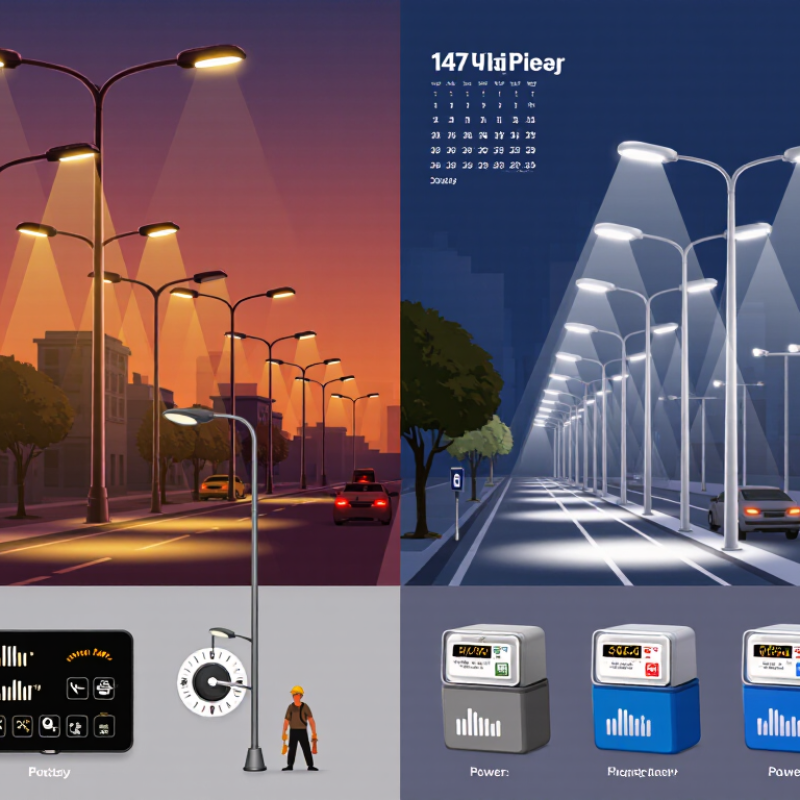
7 Tips How Much Energy Can LED Street Lights Save?

LED Street Lights Can Cut Energy Use by 50–70%: DOE Industry Benchmark

LED street lights can reduce energy use by 50–70%, according to DOE industry benchmarks. The actual result depends on the old fixtures, operating hours, and lighting controls. A 100-watt replacement running 12 hours nightly may save hundreds of kilowatt-hours each year. The savings become visible on utility bills, not just in project brochures.

Tip 1: Record current wattage and operating hours before choosing new fixtures. Tip 2: Select the right light level, not the brightest available option. Overlighting wastes power and can create glare. Tip 3: Use dimming controls during low-traffic hours. Tip 4: Consider photocells or scheduling systems for accurate switching. Small errors matter.

Tip 5: Check the roadway layout before installation. Poor spacing may require higher output later. Tip 6: Keep lenses clean and inspect connections during routine maintenance. Tip 7: Compare measured energy use after installation. A simple meter can challenge optimistic estimates. Payback may also be slower than expected when installation costs are high. That is worth admitting. Reliable planning uses local traffic data, maintenance records, and measured results instead of assuming every project will achieve the full 70% reduction.

Measure Existing Watts, Operating Hours, and Annual Street-Light Consumption

How Much Energy Can LED Street Lights Save?

A reliable savings estimate begins with the existing street-light load. Do not rely only on fixture labels. Record the wattage of each lamp, driver, photocell, and control device where possible. A clamp meter can verify actual power at the cabinet or pole. This step often reveals hidden consumption. Real sites are messy.

Count operating hours across a full year. A timer may show 4,200 hours, but dusk-to-dawn controls can produce different results. Check seasonal schedules, dimming periods, and overnight shutdowns. A lighting log from the control cabinet provides stronger evidence than assumptions. Weather and maintenance issues can also affect readings.

Calculate annual consumption with this formula: watts ÷ 1,000 × operating hours × fixture quantity.

For example, 500 existing fixtures using 150 watts for 4,200 hours consume about 315,000 kilowatt-hours annually. If LED fixtures use 70 watts under the same conditions, consumption falls to about 147,000 kilowatt-hours.

That difference equals approximately 168,000 kilowatt-hours saved each year.

The result changes when dimming, outages, or control upgrades are included. Measure a representative sample before making a final claim. One imperfect meter reading should not define the project. Check installation records, compare cabinet data, and repeat unusual measurements. Some savings estimates look impressive because they ignore real operating hours.

Select LED Optics and Output for Required Roadway Illuminance Standards

7 Tips: How Much Energy Can LED Street Lights Save?

Choose the optic before selecting wattage. IES RP-8-22 links roadway lighting needs to road class, traffic, pedestrians, and pavement reflectance. A narrow Type II distribution may suit a straight residential road. Wider Type III or Type IV optics can cover broader lanes. Match the beam to pole spacing and mounting height. Otherwise, light escapes into windows and empty verges. Keep glare under control. CIE 115:2010 also stresses uniformity, visibility, and glare limits, not brightness alone. Field audits often find poorly aimed fixtures wasting useful lumens.

Set output from maintained illuminance, not initial lumen claims. Include dirt, depreciation, and lumen maintenance factors in the calculation. The U.S. Department of Energy’s LED Street Lighting Fact Sheet reports typical energy reductions of 50–70% compared with conventional systems. That range is useful, but not guaranteed. Overpowered LEDs can erase part of the saving. A 100-watt fixture may outperform a 150-watt unit when its optics place light accurately. Verify results with photometric software, then measure selected points after installation.

Use dimming only after meeting the required lighting class. Lower output during quiet hours can reduce consumption further, but safety conditions must remain compliant. The uncomfortable part is simple: a perfect design file can still fail in the field. Pole tilt, tree growth, dust, and wet pavement change performance. Review annual energy data and nighttime measurements. Small corrections may deliver more value than another increase in wattage.

Add Dimming and Adaptive Controls for 20–30% Additional Energy Savings

LED street lights already reduce electricity use through efficient diodes and better optical control. Dimming and adaptive controls can deliver another 20–30% savings when designed for real traffic conditions. Results vary by road type, weather, and operating schedules.

Tip 1: Measure current energy use before changing settings. Record wattage, operating hours, and night-time traffic. Tip 2: Create lower lighting levels after peak travel hours. Empty roads rarely need full output. Tip 3: Use gradual dimming, not sudden drops. Smooth changes help drivers and reduce complaints.

Tip 4: Add motion or traffic sensors at crossings, side roads, and industrial zones. Lights can brighten when vehicles or pedestrians approach. Tip 5: Set safe minimum levels for fog, rain, and complex intersections. Adaptive control should support visibility, not chase the largest saving. Tip 6: Test one street section first. Compare energy data, fault reports, and resident feedback for several weeks. Tip 7: Keep manual override access for maintenance teams and emergency conditions. Reliability matters more than an attractive percentage.

In field projects, a 20–30% additional reduction is achievable with careful commissioning. It is not automatic. Poor sensor placement can trigger unnecessary brightening throughout the night. Dust, tree movement, and parked vehicles may also distort readings. Review monthly data and adjust thresholds. A small mistake remains expensive when repeated across thousands of fixtures.

Verify Savings Through Metering, Lumen Maintenance, and Payback Analysis

7 Tips: How Much Energy Can LED Street Lights Save?

Verify savings through metering, lumen maintenance, and payback analysis. A claimed 50% reduction is only a starting estimate. Field conditions often change the result. Record each streetlight’s existing wattage, operating hours, dimming schedule, and maintenance history. Install temporary meters on representative circuits before replacement. Measure it carefully.

After installation, compare the same circuits during similar seasons. Check voltage, power factor, control settings, and overnight operating patterns. A smart control system may reduce energy use, but poor settings can erase part of the benefit.

Keep records. Inspect light output after several months, then repeat the test annually. Lumen maintenance matters because a lower-energy fixture is not useful if illumination becomes uneven.

Measure average and minimum lux levels at road surfaces, crossings, and conflict areas. Follow recognized lighting standards and document the equipment, weather, and test method.

Payback analysis should include energy, labor, cleaning, replacement, and disposal costs. Use actual utility rates, not a convenient average. Separate maintenance savings from energy savings. This prevents inflated claims.

Our early estimate was too optimistic because we ignored partial-night operation and lower traffic periods. That mistake improved the model. Test a small section before expanding the project.

Compare measured kilowatt-hours, maintained illumination, fault rates, and total ownership cost. A simple spreadsheet can expose weak assumptions, but independent review adds credibility. Recheck the numbers when tariffs, schedules, or lighting requirements change.

FAQS

How much energy can LED street lights save?

They may reduce energy use by 50–70%. Actual savings depend on old wattage, operating hours, and controls. A 100-watt replacement running 12 hours nightly can save hundreds of kilowatt-hours yearly. The utility bill provides stronger evidence than a brochure.

What information should be recorded before replacing street lights?

Record fixture wattage, control-device use, and annual operating hours. Check timers, photocells, dimming periods, and overnight shutdowns. A clamp meter can verify actual power at a cabinet or pole. Real sites are messy.

How can annual street-light consumption be calculated?

Use this formula: watts ÷ 1,000 × operating hours × fixture quantity. For example, 500 fixtures using 150 watts for 4,200 hours consume about 315,000 kilowatt-hours yearly. At 70 watts, the same system uses about 147,000 kilowatt-hours. That difference equals roughly 168,000 kilowatt-hours saved.

Can dimming and adaptive controls create additional savings?

They can deliver another 20–30% reduction under suitable conditions. Traffic patterns, weather, road design, and schedules affect the result. Empty roads rarely need full output. The percentage is not automatic.

How should dimming controls be used safely?

Set lower levels after peak travel hours. Use gradual changes instead of sudden drops. Keep safe minimum levels for rain, fog, and complex intersections. Manual override access helps maintenance teams respond quickly.

Where can sensors improve street-light efficiency?

Sensors may work well at crossings, side roads, and industrial areas. Lights can brighten when vehicles or pedestrians approach. Poor placement can cause unnecessary brightening all night. Dust, tree movement, and parked vehicles may distort readings.

Why does roadway layout matter during installation?

Poor spacing can leave dark areas between fixtures. Higher output may then become necessary. Review pole locations, road width, intersections, and mounting height beforehand. The brightest fixture is not always the best choice.

How should energy savings be checked after installation?

Test a representative street section before making a full claim. Compare cabinet readings, control data, fault reports, and resident feedback. Repeat unusual meter readings. One imperfect measurement should not define the project.

Can project payback take longer than expected?

Yes, especially when installation costs are high. Actual savings may fall below the estimated 70% reduction. Maintenance records and local traffic data improve planning. Some forecasts look impressive because they ignore real operating hours.

Conclusion

LED street lighting can significantly reduce municipal electricity consumption, with typical energy savings of 50–70% compared with older conventional systems. How much energy can LED street lights save municipalities? The answer depends on existing fixture wattage, annual operating hours, roadway requirements, and the efficiency of the selected LED system. A reliable assessment should begin by recording current power demand, operating schedules, and yearly street-light energy use.

To maximize savings, municipalities should select LED optics and light output that meet required roadway illuminance standards without excessive lighting. Dimming schedules, motion detection, and adaptive controls can provide an additional 20–30% reduction by adjusting light levels according to traffic and pedestrian activity. Savings should then be confirmed through energy metering, regular performance checks, and lumen-maintenance evaluations. Comparing installation costs with verified energy and maintenance reductions allows municipalities to estimate payback periods and make informed, cost-effective modernization decisions.

Oliver

Oliver

Oliver is a seasoned marketing professional with a wealth of expertise in driving brand awareness and engagement. With a deep understanding of our company's product offerings, he consistently delivers high-quality content that enriches our professional blog. His insights not only shed light on......