10 Essential Tips for Maintaining High Mast Lighting at 30 Meters?

Time:2026-09-04 Author:Oliver
0%

Maintaining high mast lighting at a height of 30 meters presents unique challenges. Experts emphasize the need for regular checks and careful maintenance. John Smith, a lighting maintenance specialist, states, "Proper upkeep ensures longevity and safety for high mast systems." Failing to address issues can lead to significant downtime and safety hazards.

To effectively manage high mast lighting, one must consider multiple factors. These include inspecting bulb functionality, assessing structural integrity, and addressing electrical concerns. A proactive approach pays off in the long run. Regular maintenance schedules can prevent costly repairs and enhance lighting performance.

Understanding "How to maintain high mast lighting at 30 meters height?" involves embracing both routine checks and safety protocols. While expertise is essential, even seasoned professionals can overlook minor issues. It's crucial to foster a culture of continuous improvement in maintenance practices. Reflecting on past experiences can guide future efforts, ensuring reliable and safe lighting systems.
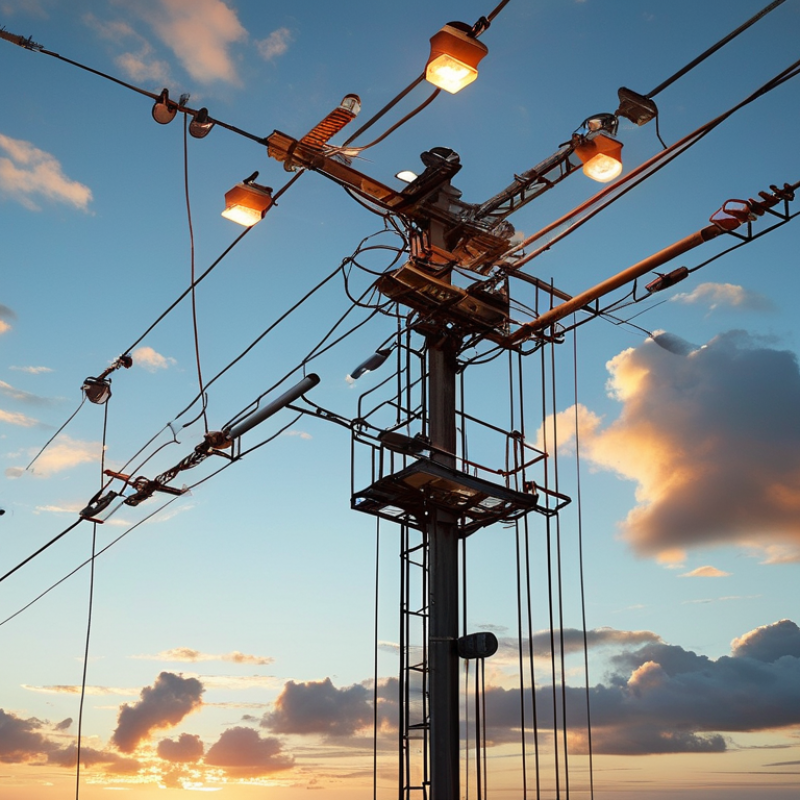
10 Essential Tips for Maintaining High Mast Lighting at 30 Meters?

Understanding High Mast Lighting Systems and Their Components

High mast lighting systems are crucial for outdoor illumination in large areas. These setups typically feature tall poles, often reaching 30 meters or higher. Understanding their components is vital for effective maintenance and operation. A high mast lighting system includes several key elements: the pole, the lighting fixtures, and the control systems. Each component works together to provide efficient lighting for roads, airports, and stadiums.

Regular inspections of high mast lights are essential. Ensure that every fixture is clean and functional. Dust and debris can block light output, leading to safety hazards. When replacing bulbs, match the specifications for optimal performance. Pay attention to the control system as well. Faulty controls can result in inconsistent lighting, which is both inconvenient and dangerous.

Finally, consider the environmental factors. Weather can affect both the structural integrity of the pole and the lighting efficiency. Rust can develop on metal poles if not periodically checked. Corrosion can weaken the overall system. Reflect on the need for periodic evaluations every few years. Essential maintenance can often slip through the cracks, leading to potential failures. Prioritizing regular checks will ensure a safer and more reliable high mast lighting system.

Maintenance Analysis of High Mast Lighting Systems

This bar chart represents the monthly frequency of various maintenance tasks required for high mast lighting systems. Regular checks and maintenance help ensure optimal performance and longevity of the lighting systems.

Regular Inspection Procedures for High Mast Lighting at 30 Meters

Regular inspections of high mast lighting at 30 meters are crucial for safety and efficiency. Inspecting the fixtures entails more than a casual glance. Use a qualified lift that can safely reach the 30-meter height. Ensure the area is secure before beginning. Check for physical damage on the masts and fixtures. A visual assessment should include checking for rust or corrosion.

Pay attention to the electrical components as well. Look for frayed wires or loose connections. Faulty wiring can lead to system failures or hazards. Be cautious with the power source. Always follow proper safety protocols when handling electricity. Sometimes it may be tempting to skip tests, but this can lead to bigger issues down the line.

The light output should also be measured to ensure it meets operational standards. Dim lights may indicate a need for bulb replacement. Keep a log of all inspections. It helps maintain a reliable record and allows for identifying recurring issues. Reflecting on these processes can help improve inspection techniques over time. Regular and thorough inspections not only ensure safety but can also prolong the lifespan of the lighting system.

Maintenance Best Practices for High Mast Light Fixtures

Maintaining high mast lighting fixtures at 30 meters requires a careful approach. Regular inspections are critical. Technicians should check for corrosion, particularly on fixtures and poles. This often goes unnoticed but can lead to significant failures over time. Schedule these checks seasonally to catch issues early.

Cleaning is vital as well. Dust and grime can accumulate on lenses, reducing light output. Use appropriate cleaning solutions and tools for maintenance. However, this task can be tricky at heights. Always ensure safety protocols are followed. Sometimes, overlooked cleaning can make a fixture less effective than it should be.

Furthermore, test the electrical connections regularly. Loose wires can cause flickering or complete outages. This requires expertise, so consider contracting professionals with experience in high mast lighting. Many light fixtures are exposed to harsh environmental conditions, which may further undermine their longevity. Having a maintenance log can track issues effectively. This log should include repair histories and replacement schedules. Consistent monitoring can extend the equipment's life, though it involves discipline and attention to detail.

10 Essential Tips for Maintaining High Mast Lighting at 30 Meters

Tip Number Maintenance Tip Frequency Importance Level Notes
1 Regular Visual Inspections Monthly High Check for damage, rust, or debris.
2 Clean Fixtures and Lenses Quarterly Medium Remove dirt and obstructions for optimal light output.
3 Check Electrical Connections Semi-Annually High Ensure tightness and look for corrosion.
4 Test Light Functions Monthly High Verify all lights are operational.
5 Inspect Structural Integrity Yearly Medium Check for cracks or instability.
6 Replace Burnt-Out Bulbs As Needed High Ensure consistent lighting performance.
7 Grease Moving Parts Annually Medium Prevent wear and tear on mechanical parts.
8 Calibrate Light Intensity Bi-Annual Medium Ensure optimal brightness as per requirements.
9 Review Control Systems Yearly Low Ensure software is up to date.
10 Document Maintenance Activities Ongoing High Keep logs for compliance and future reference.

Safety Measures for Maintaining High Mast Lighting Systems

Maintaining high mast lighting systems is crucial for safety and efficiency. When working at heights of 30 meters, the risk increases significantly. Use personal protective equipment, such as harnesses and helmets. Ensure that the area below is clear during maintenance tasks. Wind conditions can also change quickly, so monitor weather forecasts. Safety training for all personnel involved is essential. It minimizes accidents and promotes a culture of awareness.

Regular inspections should be part of your routine. Inspect fixtures for wear or damage, focusing on cables and lenses. Document everything. This creates a reliable record for future reference. It's easy to overlook minor issues, but they can escalate if not addressed promptly. Consider implementing a scheduled maintenance plan. Adjust it based on seasonal changes and operational demands.

Communication among team members is vital during maintenance work. Clear protocols help reduce misunderstandings. Discuss potential hazards before starting any task. Encourage team members to voice concerns or suggestions. This collaborative approach fosters a safer working environment. Remember, even experienced personnel can benefit from periodic training and refreshers. Keeping skills sharp is not just about safety; it's about instilling confidence in the maintenance process.

Troubleshooting Common Issues with High Mast Lighting Systems

High mast lighting systems at 30 meters can face various challenges. Regular maintenance helps, but issues may still arise. Flickering lights are common and often stem from faulty connections. Inspect wiring for corrosion or looseness. Adjusting the connections can resolve the issue. Sometimes, the problem lies in the lamp itself. A failing bulb can cause erratic behavior, so consider replacing it when you notice any abnormalities.

Other common problems include dim lighting or uneven illumination. These can signal that the fixture lenses are dirty or obscured. Regular cleaning is vital to ensure optimal performance. Use appropriate cleaning solutions to maintain clarity. Environmental factors may contribute to these issues as well. Strong winds or heavy storms can misalign fixtures, affecting their performance. Regular inspections after adverse weather can help catch these misalignments early.

Finally, ensure that the control systems are functioning properly. Issues with the timers or controllers can lead to unexpected outages. Reprogramming or replacing components may be necessary. Engaging with experienced technicians during troubleshooting is crucial. Their expertise can save time and prevent costly mistakes. High mast lighting requires attention and care to remain effective. Addressing these common troubleshooting points can help maintain safety and efficiency.

FAQS

: What are high mast lighting systems used for?

: They are used for outdoor illumination in large areas like roads and airports.

What are the main components of a high mast lighting system?

The main components include the pole, lighting fixtures, and control systems.

Why is regular inspection of high mast lights important?

Regular inspection ensures fixtures are clean and functional, preventing safety hazards from diminished light output.

What should you do when replacing bulbs in high mast lights?

Match the bulb specifications to ensure optimal performance and consistency.

How can weather affect high mast lighting systems?

Weather impacts both structural integrity and lighting efficiency, potentially leading to rust and corrosion.

What safety measures should be taken during maintenance?

Use personal protective equipment and ensure the area below is clear before starting tasks.

Why should documentation of inspections be maintained?

Documenting inspections creates a reliable record, helping identify and address minor issues before they escalate.

How can team communication improve maintenance safety?

Clear communication about protocols and potential hazards fosters teamwork and reduces misunderstandings during maintenance.

Why is training important for personnel involved in high mast lighting maintenance?

Training minimizes accidents and helps maintain a culture of safety and awareness among team members.

What happens if maintenance is overlooked?

Essential maintenance can be neglected, leading to system failures that may pose safety risks.

Conclusion

Maintaining high mast lighting at 30 meters height requires a comprehensive understanding of the system and its components. Regular inspections should be conducted to ensure that all fixtures are functioning correctly and safely. This involves checking for corrosion, bulb integrity, wiring issues, and the structural stability of the mast. Best practices for maintenance include cleaning the fixtures, replacing damaged parts promptly, and ensuring that the electrical connections are secure.

Safety is paramount when performing maintenance tasks at such heights. Proper safety measures, including the use of harnesses and securing tools, must be implemented to prevent accidents. Additionally, being able to troubleshoot common issues such as flickering lights or complete outages is essential. Therefore, knowing how to maintain high mast lighting at 30 meters height is crucial for optimal performance and longevity of the lighting systems.

Oliver

Oliver

Oliver is a seasoned marketing professional with a wealth of expertise in driving brand awareness and engagement. With a deep understanding of our company's product offerings, he consistently delivers high-quality content that enriches our professional blog. His insights not only shed light on......