Ensuring effective maintenance for high mast lighting at 30 meters is crucial in various industries. High mast lighting enhances safety and visibility in areas like highways and sports complexes. According to the International Association of Lighting Designers, proper maintenance can increase the lifespan of lighting systems by up to 30%.
However, many facilities struggle to implement consistent maintenance practices due to budget constraints and lack of expertise. It is vital to understand how to maintain high mast lighting at 30 meters height effectively. Regular inspections, cleaning, and timely replacement of components are essential tasks that can prevent significant failures. Further, data from the Illuminating Engineering Society emphasizes that neglected lighting can lead to increased energy costs and safety hazards.
Yet, organizations often overlook these critical maintenance routines. The challenges include access difficulties and considering environmental factors, which complicate routine checks. As high mast lighting systems are pivotal in ensuring public safety, developing a reliable maintenance strategy is fundamental. The right approach can not only sustain operational efficiency but also enhance safety standards in the long run.
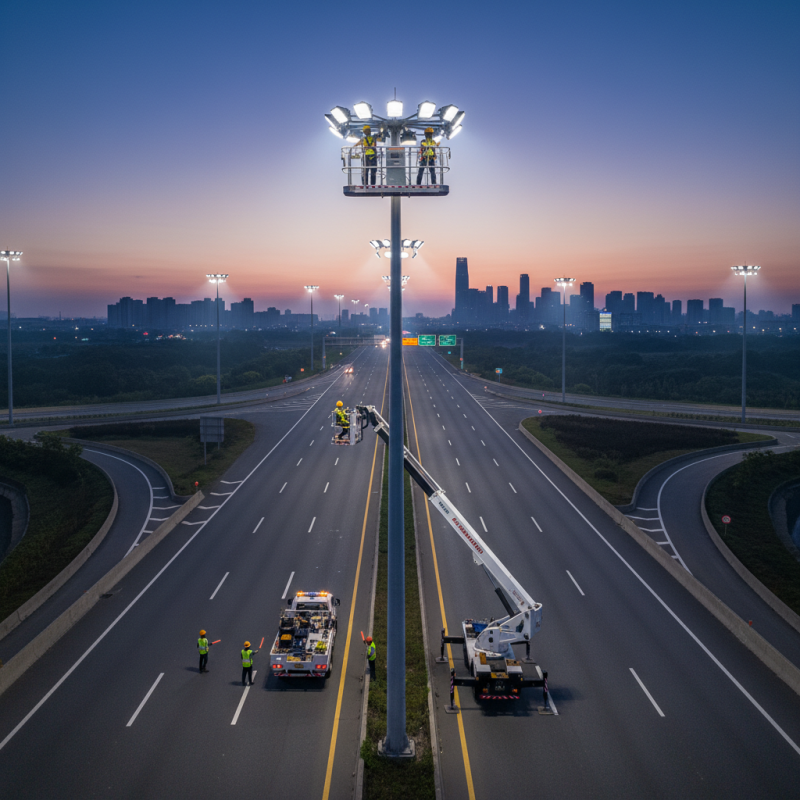
Regular inspection of 30 meter high mast lighting systems is crucial for safety and efficiency. These towering structures are often exposed to harsh weather conditions. Over time, elements such as wind, rain, and temperature fluctuations can lead to wear and tear. A thorough inspection can identify potential issues early. This proactive approach minimizes accidents and ensures optimal performance.
Visual impairments due to faulty lighting can pose serious risks. Operational failures may lead to accidents, especially in high-traffic areas. Inspectors need to check for corrosion, loose fixtures, and electrical faults. Performing routine checks also allows for timely replacements of bulbs and fixtures to maintain brightness and visibility. Implementing a well-scheduled maintenance plan is essential for achieving longevity in these systems.
Ultimately, awareness of potential hazards is vital. Regular inspection schedules, combined with responsive maintenance strategies, can prevent larger, costly repairs. Technicians must remain vigilant, as overlooking minor issues can lead to significant problems. Keeping a log of inspections and maintenance can provide valuable insights into the system's health, making it easier to determine long-term strategies.
| Inspection Frequency | Key Maintenance Tasks | Safety Considerations | Expected Lifespan | Common Issues |
|---|---|---|---|---|
| Monthly | Visual Inspection of Fixtures | Use of Harnesses and Safety Gear | 15-20 Years | Burnt-out Bulbs |
| Quarterly | Test Voltage and Replace Defective Parts | Check for Weather Hazards | 15-20 Years | Corrosion on Fixtures |
| Biannual | Clean LED Fixtures and Reflectors | Ensure Secure Mounting | 15-20 Years | Loose Connections |
| Annual | Full System Audit and Calibration | Emergency Procedures Review | 15-20 Years | Electrical Failures |
: Common issues include bulb failures, electrical problems, and corrosion from weather exposure. Regular inspections are key.
Environmental factors, like temperature extremes, significantly affect bulb lifespan, causing unexpected outages.
Regular inspections should be conducted to identify issues early. Documenting maintenance history is essential for effective troubleshooting.
Workers should wear PPE, use proper scaffolding, and check equipment condition regularly to avoid accidents.
Weather conditions can change quickly, creating hazards. Technicians must assess environments and monitor weather closely.
Advanced sensors and IoT solutions can monitor lights and detect issues early, enhancing maintenance efficiency.
Initial costs and staff training can deter organizations. Data management may become overwhelming without proper systems.
Corrosion can lead to material degradation, so using corrosion-resistant materials is vital for extending structure life.
Systematic maintenance and regular updates are crucial for improving reliability and operational efficiency.
Conduct daily safety briefings to remind crews of potential hazards when working at heights.
To effectively address the question of "How to maintain high mast lighting at 30 meters height?", it is essential to prioritize regular inspections of the lighting systems. These inspections help identify potential issues early on, ensuring that maintenance is both preventative and responsive to common problems, such as bulb failures or electrical malfunctions. Implementing best practices, like establishing a routine maintenance schedule and using high-quality replacement parts, significantly enhances the longevity and performance of the fixtures.
Safety protocols are crucial when working on high mast lighting maintenance. Proper training and equipment ensure that technicians can safely access and service the lighting units without risk of injury. Additionally, leveraging technology, such as remote monitoring systems, can streamline maintenance processes and provide real-time data for efficient management of high mast lighting systems, optimizing performance and safety over time.

 Penelope Light