As cities continue to seek sustainable solutions, one question stands out: "How much energy can LED street lights save municipalities?" This inquiry has drawn attention from various experts in the field. Tom Anderson, a smart city consultant, emphasizes the potential savings, stating, “Switching to LED street lights can reduce energy consumption by up to 50%.”
The shift towards LED lighting is more than just a trend; it's a necessary change for urban areas. With high energy costs and the need to reduce carbon footprints, municipalities face mounting pressure. Traditional street lights consume significant power and often require frequent maintenance, leading to further expenses. LEDs offer not only energy efficiency but also longer lifespans, which can alleviate financial burdens in the long run.
However, the transition is not without its challenges. Many city planners must consider initial investment costs and infrastructure compatibility. Despite the hesitations, the evidence supporting LED adoption is compelling. The real question for officials remains: Can they afford not to invest in this technology? As the discussion around energy-efficient solutions grows, reflecting on the potential impact of LED street lights is essential for future planning and sustainability.
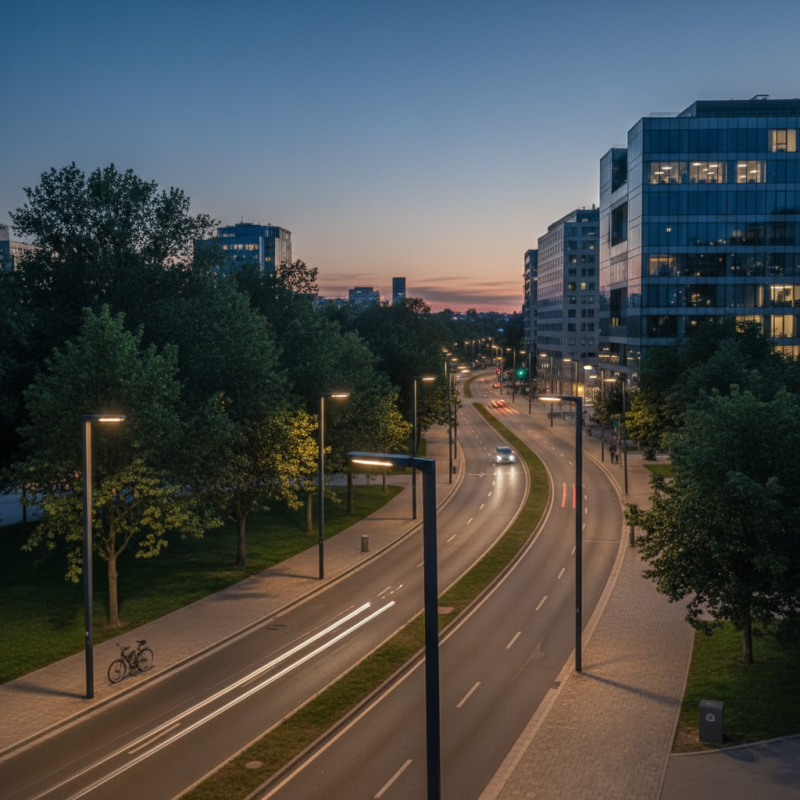
LED street lights are gaining popularity in urban areas. Their technology offers improved energy efficiency and longer life spans compared to traditional lighting. These lights use light-emitting diodes, which consume less power and provide brighter illumination. The design minimizes energy waste and reduces overall usage.
One significant benefit is energy savings. Cities can reduce electricity costs while maintaining safety and visibility. With the wide adoption of LED technology, urban planners can reassess their energy strategies. This shift presents opportunities to allocate funds elsewhere. Cities can invest in greener initiatives and infrastructure improvements.
Tips for enhancing LED use include proper placement of lights. Strategic positioning maximizes lighting efficiency. Regular maintenance also ensures longevity. Periodic checks can identify malfunctions early, avoiding unexpected costs. Furthermore, consider local conditions, such as weather, which can affect performance. Balancing these aspects requires ongoing assessment and adaptation.
Traditional street lighting consumes a significant amount of energy. According to the U.S. Department of Energy, street lighting accounts for approximately 38% of total public sector electricity use. This translates to about 3 million megawatt-hours annually. The costs associated with this energy consumption can strain city budgets.
In contrast, LED street lights are designed to be highly energy-efficient. They consume up to 75% less energy than conventional bulbs. A recent report from the Institute for Energy Efficiency highlights that the transition to LED could save cities between $1.9 billion to $8 billion in energy costs by 2030. However, challenges remain. The initial investment in LED technology can be daunting for some municipalities. Additionally, there are concerns regarding light pollution and the color temperature of LEDs, which may affect wildlife.
Cities must balance energy savings with these considerations. The move to LED lighting is a step toward sustainability, yet the financial and environmental implications require careful examination. Effective strategies and community engagement can ensure a smoother transition for urban lighting systems. Understanding these factors will help cities make informed decisions while aiming for energy-efficient solutions.
The transition to LED street lights represents a significant opportunity for energy savings in urban areas. According to the U.S. Department of Energy, cities can reduce energy consumption by up to 50% by adopting LED technology. These lights consume less power and have a longer lifespan than traditional sodium lights. In fact, they can last up to 25,000 hours compared to just 2,000 hours for conventional bulbs.
Implementing LED street lights not only lowers energy costs but also reduces greenhouse gas emissions. A study from the International Energy Agency reveals that switching to LED can prevent nearly 100 million tons of CO2 emissions annually. This transition often comes with upfront costs, but the long-term savings on energy bills can be substantial. It's crucial to recognize that cities must weigh initial expenditures against future benefits.
Additionally, not all LED lights are equal. Variability in quality can impact performance and energy savings. Cities need to conduct thorough research before investing in specific products. Ensuring effective installation and maintenance will also determine the ultimate energy efficiency achieved. Balancing these factors could present challenges, but the potential benefits for cities are too significant to ignore.
The shift to LED street lights presents significant environmental benefits for cities. Reduced energy consumption leads to lower greenhouse gas emissions. Cities that adopt LED technology can decrease their carbon footprint. This is crucial in the fight against climate change.
Moreover, energy savings translate into financial gains. Less money spent on electricity frees up funds for public services. However, the initial investment in LED systems can be a hurdle. Not all cities have the same resources, and that creates disparities in adoption rates.
Despite the advantages, transition challenges remain. Some communities hesitate due to aesthetics or concerns about light pollution. They may fear that LED lights are too harsh or uninviting. Addressing these concerns is vital for broader acceptance. Transparent discussions can lead to solutions that respect local identities while promoting sustainability.
| City | Current Street Light Technology | Number of Street Lights | Annual Energy Consumption (MWh) | Estimated Energy Savings with LED (MWh) | Reduction in CO2 Emissions (tons) |
|---|---|---|---|---|---|
| City A | High Pressure Sodium | 10,000 | 15,000 | 7,500 | 3,750 |
| City B | Metal Halide | 8,500 | 12,500 | 5,625 | 2,812.5 |
| City C | Incandescent | 15,000 | 20,000 | 10,000 | 5,000 |
| City D | Fluorescent | 12,000 | 18,000 | 9,000 | 4,500 |
Cities are increasingly exploring the transition to LED street lights. The potential for energy savings is significant. Traditional street lights consume more electricity, leading to higher costs. In contrast, LED lights use up to 75% less energy. This switch can lower utility bills substantially.
However, cost-benefit analyses reveal nuances. The upfront investment for LEDs can be daunting for some municipalities. Initial expenses include purchasing fixtures, installation, and potential upgrades to electrical systems. Yet, these expenses may be offset by long-term savings and reduced maintenance costs. LEDs have a longer lifespan. Many last over 20,000 hours compared to 2,000 hours for traditional bulbs.
Cities should also consider community impact. Brighter, more durable light can enhance public safety and reduce crime rates. But not all communities may experience equal benefits. Some may face logistical challenges during installation. Therefore, careful planning and cost analysis are vital. Data-driven decision-making will help ensure successful transitions.
: LED street lights lower energy consumption, reducing greenhouse gas emissions and carbon footprint. This fights climate change effectively.
Savings on electricity allow cities to allocate funds to public services. This can enhance support for local communities.
Initial costs can be high, creating barriers for some cities. Disparities in resources affect adoption rates and equity.
Concerns include aesthetics and light pollution. People worry that LED lights may be too harsh and disrupt local character.
Traditional bulbs last about 2,000 hours. In contrast, many LEDs can last over 20,000 hours, making them more durable.
Installation challenges can differ by community. These challenges can lead to unequal benefits and frustrations in the process.
Transparent discussions about light quality and community needs can lead to solutions. Finding a balance respects local identities and sustainability.
Cities need to evaluate upfront costs and long-term savings. Maintenance costs and community impacts are crucial factors too.
Brighter lights from LEDs can enhance visibility, potentially reducing crime rates. Yet, not all communities may notice significant improvements.
Data-driven decision-making and careful planning are necessary. This helps address challenges and ensures broad community support during transitions.
LED street lights represent a significant advancement in urban lighting technology, offering municipalities a more energy-efficient alternative to traditional street lighting systems. By converting to LED technology, cities can drastically reduce their energy consumption, which raises the important question: "How much energy can LED street lights save municipalities?" Current estimates suggest that replacing conventional street lights with LEDs can lead to energy savings of up to 50-70%, depending on the specific implementation and scale.
The environmental benefits stemming from reduced energy consumption are substantial, contributing to lower greenhouse gas emissions and decreased reliance on fossil fuels. Moreover, a cost-benefit analysis often reveals that while the initial investment in LED infrastructure may be higher, the long-term savings on energy bills and maintenance costs significantly outweigh these upfront expenses. Thus, transitioning to LED street lights not only promotes sustainability but also enhances the financial health of cities.
Penelope Light