Installing solar street lights in cloudy regions can be challenging yet rewarding. As Smith Johnson, a leading solar energy expert, states, “Solar technology can thrive in less sunny climates with the right approach.” His expertise highlights the importance of adapting installation strategies to local weather conditions.
In areas with frequent cloud cover, it’s essential to choose solar lights with high-efficiency solar panels. These panels capture diffuse sunlight effectively. Also, incorporating energy storage solutions with larger batteries can enhance reliability during prolonged cloudy periods. It’s crucial to analyze specific site conditions, including seasonal sunlight variations. Not all solar street lights perform equally well in these environments.
Challenges exist, too. Installing lights in excessively shaded areas may lead to poor performance. Regular maintenance is necessary to keep the lights functioning optimally. Addressing these factors is key when considering how to install solar street lights in cloudy regions. With careful planning and consideration, reliable solar lighting can illuminate even the gloomiest streets.
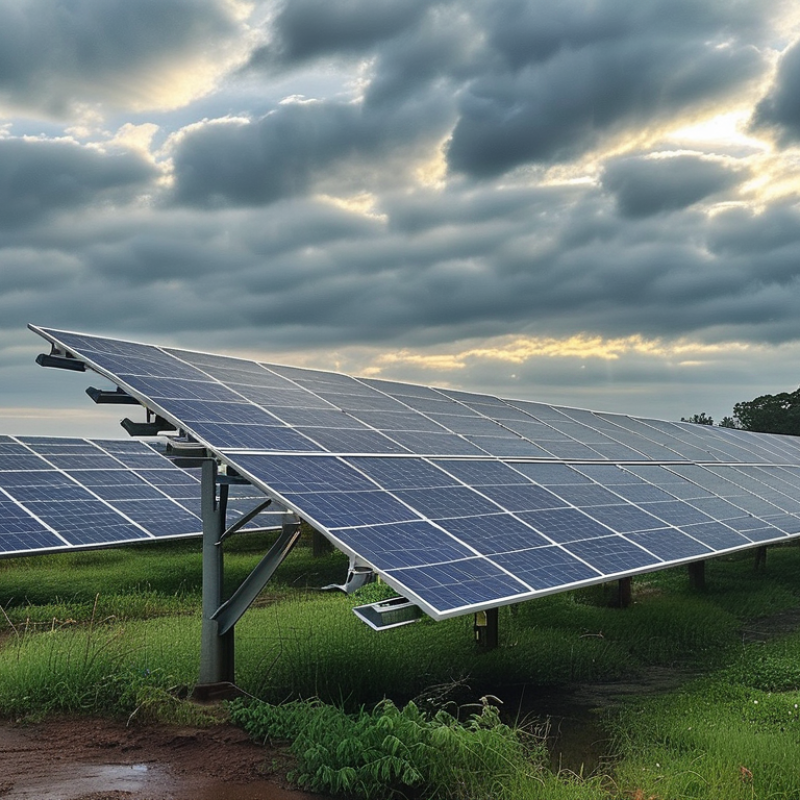
Understanding Solar Street Lights and Their Benefits in Cloudy Areas
Solar street lights are gaining traction in areas with limited sunlight. Even in cloudy regions, these systems can provide significant benefits. They use energy stored in batteries, which are charged during daylight hours. This makes them a viable option when traditional lighting may struggle. Solar street lights typically come equipped with motion sensors and adjustable brightness, optimizing energy usage during dimmer conditions.
One notable advantage is cost savings on electricity bills. These lights are also more environmentally friendly. Installation does require careful planning. Assessing the positioning of panels is crucial. Proper placement increases exposure to any available sunlight. Some installations may still depend on backup power sources for extended cloudy periods. Ongoing evaluation of performance becomes essential, especially in zones with particularly severe weather.
Monitoring the efficiency of solar panels is necessary. Performance can vary with changes in the environment. Regular maintenance helps ensure that solar street lights operate optimally. Community feedback is valuable in identifying any areas needing improvement. Engaging local residents can provide insights into the usability and impact of solar street lights in these regions.
Key Factors Influencing Solar Energy Generation in Overcast Conditions
Solar energy generation can be challenging in cloudy areas. The presence of overcast skies significantly reduces the amount of sunlight available. However, several key factors can help maximize energy efficiency despite these conditions. Selecting high-quality solar panels with a higher efficiency rating is crucial. These panels can capture more sunlight, even in diffuse light situations.
Battery storage systems are also essential. They help store energy generated during sunny periods for use when the sun is not shining. Ensuring these batteries are properly sized and installed can impact overall performance. Additionally, the orientation and tilt of solar panels should be optimized to capture the maximum available light. Using adjustable mounts may provide a flexible solution.
Maintenance practices should not be overlooked. Clean panels perform better, especially in areas with high humidity or pollution. Regular inspections can minimize issues caused by dirt or debris accumulation. There's always room for improvement in these setups. Each installation provides insights that can enhance future projects. Embracing a culture of reflection helps refine techniques over time.
Solar Energy Generation in Cloudy Conditions
Selecting the Right Solar Street Light for Cloudy Environmental Zones
Selecting the right solar street light for cloudy environmental zones is crucial for effective outdoor lighting. In areas with consistent cloud cover, traditional solar lights may not provide the necessary brightness.
Opt for models equipped with higher-capacity batteries and efficient solar panels. These features help capture and store energy, even in less-than-ideal weather conditions.
When evaluating options, consider the lumen output. A higher lumen count ensures better visibility during cloudy nights. You'll also want to look for lights that offer adjustable brightness settings. This flexibility allows the lights to adapt based on available sunlight. It's important to acknowledge that even the best technology can have its limitations. Sometimes, solar lights may not perform as expected during prolonged cloudy periods.
Installation can also impact effectiveness. Mounting height and angle play significant roles in sunlight exposure. Ensuring the panels face the sun optimally is essential. If the lights aren't capturing enough energy, their performance will falter. Reflecting on past installations can provide valuable insights. Consider testing different setups to find what works best in your specific environment.
Installation Best Practices for Optimizing Solar Energy Capture
When installing solar street lights in cloudy areas, it is crucial to optimize energy capture. Research indicates that solar panels can still produce up to 20% of their rated capacity on overcast days. This makes proper installation practices essential. The angle and orientation of solar panels significantly impact their efficiency. Positioning them at the optimal tilt, ideally between 30 and 45 degrees, ensures maximum sunlight exposure, even with less direct sunlight.
Considering regional weather patterns is vital. For instance, regions that average overcast conditions should rely on solar street lights that come with efficient battery storage. According to the National Renewable Energy Laboratory, battery systems can store energy produced during sunny hours for later use. This can compensate for lower solar energy production during cloudy periods.
Maintaining cleanliness on the solar panels can also enhance performance. Dust, debris, and snow can reduce light absorption significantly. Regular maintenance is necessary, especially in urban areas where pollution can accumulate. Failure to clean panels may result in a 20-30% decrease in energy output. Installation crews should focus on ensuring accessibility for cleaning and inspections.
Maintenance Tips for Ensuring Longevity of Solar Street Lights in Cloudy Areas
Maintaining solar street lights in cloudy areas is crucial for ensuring their longevity and efficiency. A study from the National Renewable Energy Laboratory highlights that even in regions with reduced sunlight, proper maintenance can extend the lifespan of solar components. Regularly checking and cleaning the solar panels helps to remove dust and debris, which can obscure sunlight absorption. This routine task should be part of a monthly checklist for users.
Battery performance is another critical factor. Lithium-ion batteries, commonly used in solar street lights, perform best with regular monitoring. According to industry reports, routine evaluations can prevent capacity loss. Moreover, ensuring that batteries are kept at optimal temperatures extends their lifespan. Implementing cooling solutions, such as proper ventilation, can address overheating issues that are often overlooked.
It's also essential to inspect the surrounding environment. Overhanging branches or nearby structures can cast shadows, reducing sunlight exposure. Residents and maintenance teams should be aware of changes in vegetation and landscape that might affect light performance. Placing solar lights in unobstructed areas, while regularly reassessing their placement, will promote better energy absorption. Regular maintenance and vigilance can significantly improve the efficiency of solar street lights in challenging weather conditions.
FAQS
: Overcast skies reduce sunlight, but high-quality solar panels can enhance efficiency.
They store energy produced on sunny days for use during cloudy periods, improving overall performance.
Clean panels work better, particularly in humid or polluted areas. Regular inspections can prevent performance issues.
Look for models with higher-capacity batteries and efficient solar panels for better energy capture and storage.
A higher lumen count provides better visibility during cloudy nights, ensuring safety and effectiveness.
They allow the lights to adapt based on available sunlight, enhancing their functionality in varying conditions.
The height and angle of mounting impact sunlight exposure, affecting energy capture.
Yes, prolonged cloud cover can limit performance, even with advanced technology.
Reflecting on past installations and testing different setups can help identify effective solutions.
It's important to acknowledge that technology has limitations, and ongoing adaptation is necessary for optimal performance.
Conclusion
This article explores the question of how to install solar street lights in cloudy regions, emphasizing the unique challenges and considerations for such environmental conditions. It begins by outlining the benefits of solar street lights, even in overcast areas, where understanding solar energy generation is critical. Key factors, such as panel efficiency and battery storage, play a crucial role in maximizing energy output despite limited sunlight.
Furthermore, the selection of appropriate solar street lights tailored for cloudy zones is discussed, alongside best practices for installation to enhance energy capture. The article also highlights essential maintenance tips to ensure the longevity and reliability of these solar systems, ultimately guiding readers towards effective implementation and sustained performance of solar street lights in less sunny environments.

 Penelope Light