2026 Best Light Poles Wind Load Capacity Explained?

Time:2026-06-10 Author:Henry
0%

When discussing light poles, one critical factor is their wind load capacity. The question often arises: "What is the wind load capacity of a standard light pole?" This parameter is essential for ensuring safety and functionality. Light poles are commonly used in various environments, from urban areas to rural spaces. Each setting presents unique challenges, particularly regarding wind conditions.

Understanding wind load capacity involves specifics. Light poles must withstand forces generated by strong winds. The design and material of the pole play a prominent role here. Engineers must consider everything from height to pole shape. In some cases, improper assessments led to failures, resulting in damages or injuries. This highlights the importance of proper evaluation and adherence to standards.

Reliable data and standards guide the design of these structures. However, not every pole meets the rigorous criteria needed in high-wind areas. Many manufacturers provide specifications. Yet, there can be inconsistencies in real-world applications. Thus, understanding these factors is vital for stakeholders, including engineers and city planners.
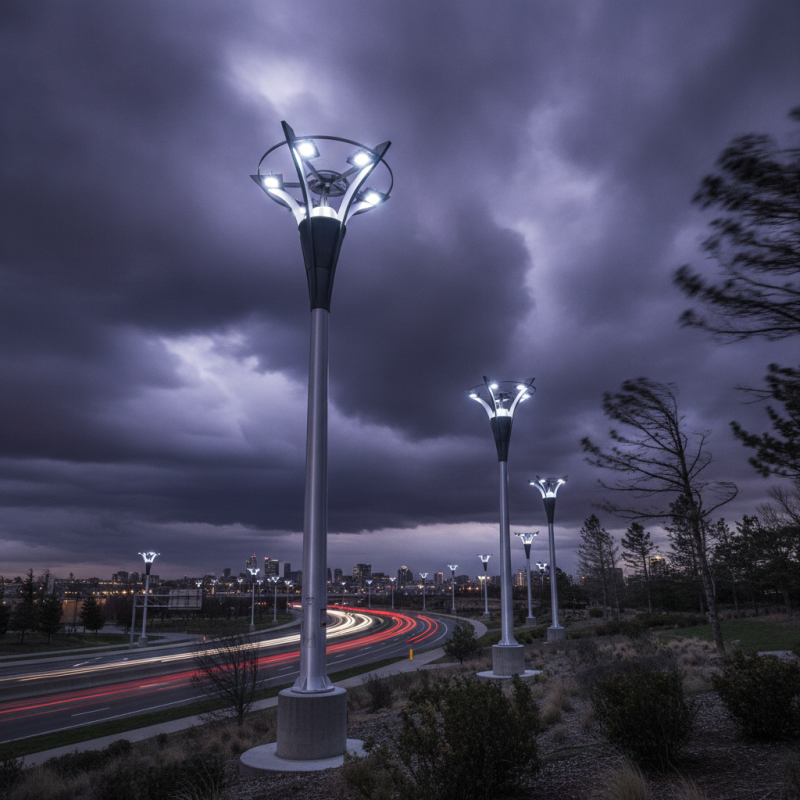
2026 Best Light Poles Wind Load Capacity Explained?

Understanding Wind Load Capacity in Light Poles

When it comes to light poles, understanding wind load capacity is essential. Wind load capacity refers to the amount of force a structure can withstand from wind. This factor is particularly crucial for light poles that stand tall and exposed. High wind speeds can exert significant pressure, which can lead to pole failure or damage.

Several factors influence the wind load capacity of light poles, including height, material, and design. Taller poles face higher wind forces. Additionally, the material used affects durability. Aluminum and steel are common choices, each with its own strength properties. It's important to evaluate the specific conditions where the poles will be installed. Location and environmental factors can dramatically change the required specifications.

Reliability in wind load capacity testing is crucial. Various standards and methodologies exist, but not all are widely adopted. Some poles may be rated without thorough testing, leading to potential risks. Understanding these discrepancies can help engineers make informed decisions. Investing time in research and testing can prevent future issues, ensuring light poles remain safe and functional.

Factors Affecting Wind Load Resistance in Light Poles

When considering light poles, wind load capacity is crucial. Several factors affect their resistance to wind pressure. The material used in the pole significantly influences its strength. Stronger materials can better withstand intense winds. For instance, steel poles often exhibit higher durability than aluminum ones. However, using heavier materials can also increase the overall weight, which may not always be practical.

The design of the pole plays an essential role as well. A streamlined design reduces wind resistance, allowing poles to deflect rather than bear excessive load. Additionally, the height of the pole matters. Taller poles experience greater wind forces, making them more susceptible to damage. Wind load tests are critical to ensure that poles meet safety standards.

Geographical location introduces another layer of complexity. Areas prone to storms require more robust designs. Wind tunnel testing can reveal how different designs perform under various conditions. A fatal mistake is to overlook local environmental factors. There’s always room for improvement. Engineers must continuously adapt their designs based on real-world performance data. Understanding these elements helps ensure the light poles can endure the elements effectively.

Types of Light Poles and Their Wind Load Ratings

When selecting light poles, understanding their wind load ratings is essential. Various types of light poles can support different wind loads, making this knowledge crucial for safety and functionality. Generally, light poles are designed to withstand wind speeds ranging from 90 mph to over 130 mph, depending on their material and structure.

Steel poles are among the strongest, typically rated for higher wind loads than aluminum or fiberglass poles. For instance, a standard steel pole can endure wind speeds of 120 mph, while fiberglass poles may only manage 90 mph. Poles installed in coastal areas must comply with stricter regulations due to the potential for hurricane winds. Reports suggest that improper choice of light poles can lead to safety hazards and increased maintenance costs.

Tips: Always consider local weather conditions. Consult with structural engineers when unsure of which pole suits your needs. Periodically inspect the installed poles for signs of wear or damage, especially after severe storms. Remember, the safety of pedestrians and vehicles depends on choosing the right type of pole for specific environments.

Standards and Regulations for Wind Load Testing on Light Poles

When evaluating light poles for wind load capacity, understanding regulatory standards is essential. The American Society of Civil Engineers (ASCE) provides guidelines on wind loads based on geographic locations and local conditions. According to ASCE 7, structures must withstand wind speeds ranging from 90 to 150 miles per hour, depending on the area. This diversity emphasizes the need for accurate testing and compliance.

Testing standards are crucial for ensuring that light poles can endure severe weather. Various testing methods, like full-scale wind tunnel tests, assess structural integrity and durability. Industry updates indicate that non-compliance can lead to increased risks and potential failures in storms. Accurate testing reveals critical weaknesses that might not be apparent in initial designs.

Tips: Always consult local guidelines when selecting light poles. Regular maintenance checks can help identify vulnerabilities early. A small oversight in specifications can lead to costly repairs later. Ensure that the poles are certified for your specific wind region to avoid unexpected issues. Being proactive can save time and resources in the long run.

Best Practices for Selecting Light Poles Based on Wind Load Capacity

Selecting the right light poles involves understanding their wind load capacity. This capacity indicates how much wind force a pole can endure without compromising its structural integrity. Choosing a pole that can withstand local wind conditions is crucial for safety and longevity.

When evaluating light poles, consider the installation site. Is it near the coast, where winds can be stronger? Or in a sheltered area? Environmental factors can greatly affect performance. Consult local wind load codes to align your choices with regional standards.

Tips: Always check material strength. Steel poles may handle wind better than aluminum in harsh environments. Also, think about the height of the pole. Taller poles can catch more wind. But remember, excessive height may create stability issues.

Don't overlook maintenance. Inspect poles regularly for signs of wear or rust. Over time, even the strongest poles can weaken. Proper maintenance can extend their lifespan, ensuring they remain effective against wind loads.

Wind Load Capacity of Different Light Poles

FAQS

: What is wind load capacity in light poles?

: Wind load capacity is the force a light pole can withstand from wind.

Why is wind load capacity important for light poles?

It prevents pole failure or damage in strong winds.

What factors influence the wind load capacity of light poles?

Height, material, and design significantly affect wind resistance.

How does the height of a pole affect wind load capacity?

Taller poles face greater wind forces, increasing the risk of damage.

What materials are commonly used for light poles?

Aluminum and steel are popular choices, each with distinct strength properties.

Why is reliable wind load capacity testing important?

Inconsistent testing can lead to unsafe poles and potential failures.

How does the pole's design impact its wind resistance?

Streamlined designs reduce wind resistance, allowing better deflection under pressure.

What role does geographical location play in pole design?

Areas prone to storms need more robust designs to ensure safety.

Can heavier materials increase the pole's vulnerability?

Yes, heavier materials can add weight and limit practical use in some conditions.

How should engineers adapt pole designs?

Engineers must use real-world performance data for continuous improvement in design.

Conclusion

The article "2026 Best Light Poles Wind Load Capacity Explained" delves into the critical concept of wind load capacity in light poles, essential for ensuring their stability and safety in varying environmental conditions. It begins by defining what wind load capacity is, addressing the question, "What is the wind load capacity of a standard light pole?" This foundational understanding is crucial for evaluating the performance of light poles under wind stress.

Additionally, the article discusses various factors that affect wind load resistance, such as pole height, shape, and material composition. Different types of light poles are categorized based on their wind load ratings, complemented by an examination of relevant standards and regulations governing wind load testing. Finally, it outlines best practices for selecting light poles, emphasizing the importance of matching the pole’s wind load capacity to the specific conditions of the installation site. This comprehensive overview equips readers with the knowledge necessary to make informed decisions when choosing light poles for their needs.

Henry

Henry

Henry is a dedicated marketing professional with a profound expertise in the company's offerings. With years of experience in the industry, he possesses an impressive understanding of the market dynamics and consumer behaviors that drive success. Henry is committed to sharing his insights through......